DAX Nears 3-Month Low as German Bond Yields Rise Amid Energy Shock
DAX nears 3-month low as energy crisis fears, rising bond yields, and geopolitical risks hit German stocks and dim ECB rate cut hopes.

Frankfurt | EcoPulse24
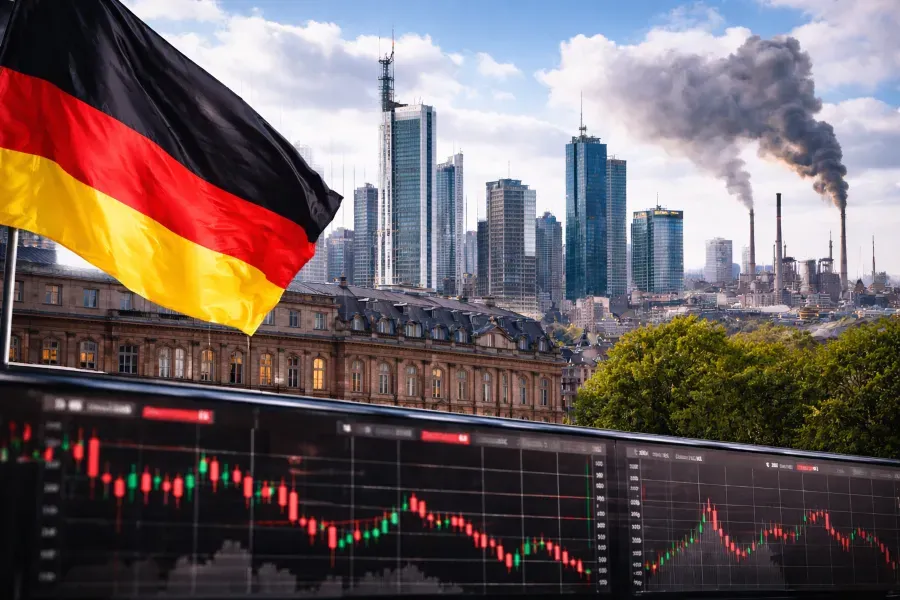
German stocks continued to post heavy losses as the DAX 40 index dropped nearly 3% during Tuesday's session, nearing 23,900 points - its lowest since early December 2025 - amid escalating geopolitical risks and growing fears of a renewed energy crisis impacting inflation and monetary policy prospects in Europe.
Market pressures intensified as ongoing military operations in the Middle East were expected to last for weeks, raising concerns over broader disruptions to global energy supplies. The official closure of the Strait of Hormuz and the continued suspension of Qatari LNG exports have brought supply shortage scenarios and rising energy costs back to the forefront, potentially prompting the European Central Bank (ECB) to adopt a more cautious stance on rate cuts.
Sector-wise, utilities, finance, and technology companies faced strong selling pressure. Beiersdorf shares plunged over 15% after the company issued a weaker outlook for 2026 due to cost pressures and currency volatility. Major firms including Siemens Energy, Bayer, Deutsche Bank, RWE, Commerzbank, Allianz, Siemens, and Infineon saw declines ranging from 3.6% to 4.6%.
On Monday, the DAX closed down around 2.6% at 24,672 points, its lowest since early February, underperforming its European peers. Travel and tourism companies were among the hardest hit due to flight cancellations to the Middle East and rising oil prices, with Lufthansa shares falling 4.6% and TUI dropping about 9%. Chemical companies such as BASF and Brenntag were pressured by higher natural gas costs, while the automotive sector also suffered with BMW, Volkswagen, and Mercedes-Benz stocks declining. Retailers Zalando and Adidas also retreated.
In the bond market, the yield on 10-year German government bonds rose to 2.77%, the highest since 12 February, as investors scaled back expectations for an imminent rate cut. Rising gas and oil prices have heightened inflation concerns in the Eurozone, potentially limiting the ECB's room to maneuver. Markets are also awaiting inflation data from Italy and the broader Eurozone, which could provide further signals on the monetary policy trajectory.
EcoPulse24 Analysis:
German markets are displaying heightened sensitivity to energy shocks, particularly given the country’s significant industrial reliance on gas and oil. Rising yields and falling equities reflect a repricing of rate expectations, with growing doubts over the possibility of near-term cuts. If supply disruptions persist, the German economy could face a challenging mix of slowing growth and rising prices, presenting the ECB with a complex policy trade-off between containing inflation and supporting economic activity.
Explore Related Coverage
Sources & References
Editorial Note
Disclaimer
© 2025 EcoPulse24. All rights reserved.