Dubai Expands Economic Support to AED 2.5 Billion to Reinforce Trade, Tourism and Business Growth
A new package incentives worth AED 1.5 billion, raising the total value of support measures introduced over the past two months to AED 2.5 billion

Dubai | EcoPulse24
Dubai launches new AED 1.5 billion incentive package to strengthen economic resilience
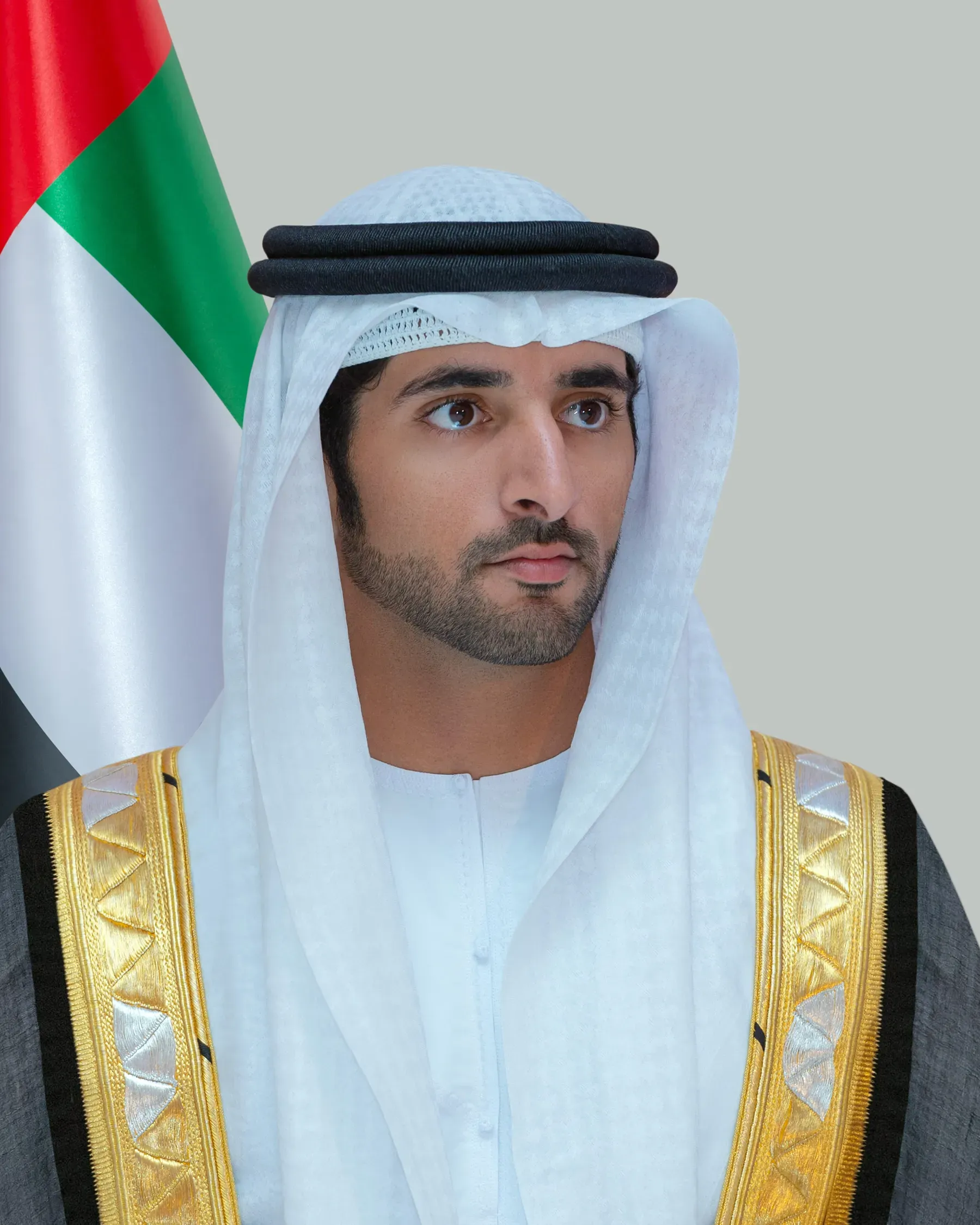
Dubai Crown Prince Sheikh Hamdan bin Mohammed bin Rashid Al Maktoum approved a new package of economic incentives worth AED 1.5 billion, raising the total value of support measures introduced over the past two months to AED 2.5 billion, as the emirate moves to reinforce economic resilience and sustain growth momentum across key sectors.
The latest package includes 33 initiatives offering facilitation measures ranging from three to 12 months targeting sectors including tourism, trade, education, and customs services, according to the announcement.
The measures come as Gulf economies intensify efforts to attract investment flows, strengthen private-sector activity, and preserve economic competitiveness amid a shifting global growth environment marked by trade uncertainty, higher financing costs, and increasing competition for international capital.
Dubai accelerates business support amid global economic competition
Dubai’s latest support package highlights the emirate’s strategy of deploying targeted economic incentives to sustain commercial activity and reinforce its position as a regional and global business hub.
The incentives are designed to ease operational costs for businesses while supporting sectors closely linked to tourism, logistics, trade flows, and service activity - areas that remain central to Dubai’s non-oil economic model.
The announcement also reflects the growing importance of government-backed facilitation measures across Gulf economies as regional financial centers compete to attract multinational companies, family offices, entrepreneurs, and global investment firms.
Dubai has increasingly relied on policy flexibility and rapid economic intervention mechanisms to maintain growth momentum since the post-pandemic recovery cycle, particularly in sectors connected to mobility, trade, aviation, and real estate.
Tourism and trade remain central to Dubai’s growth strategy
The inclusion of tourism and customs services within the latest package underscores Dubai’s continued focus on strengthening its role as a global transit and visitor economy.
Dubai’s economic model remains heavily interconnected with international tourism flows, cargo activity, re-export operations, and logistics infrastructure linked to ports and aviation networks.
Facilitation measures targeting customs and trade services may also support supply-chain efficiency and business expansion at a time when companies continue reassessing regional operating hubs across the Middle East.
The latest package further aligns with Dubai’s broader strategy to position itself as a low-friction business environment capable of rapidly responding to global economic changes while preserving long-term investor confidence.
Government-private sector coordination remains a core policy tool
In comments accompanying the announcement, Sheikh Hamdan said Dubai remains committed to strong public-private sector partnerships and maintaining close engagement with businesses and society to support economic resilience.
The statement reinforces Dubai’s longstanding governance approach centered on rapid policy execution, infrastructure investment, and continuous engagement with the private sector to maintain competitiveness.
The emirate has increasingly positioned itself as a flexible economic platform capable of adapting quickly to global shifts in trade patterns, mobility, capital allocation, and technology-driven business models.
Dubai Economic Incentive Package
The newly announced support measures include the following:
| Indicator | Details |
|---|---|
| New support package | AED 1.5 billion |
| Total incentives in 2 months | AED 2.5 billion |
| Number of initiatives | 33 |
| Duration of facilitation measures | 3 – 12 months |
| Target sectors | Tourism, trade, education, customs |
| Strategic objective | Economic resilience & competitiveness |
EcoPulse24 Analysis
Dubai’s latest economic support package reflects a broader Gulf-wide transition toward active economic management models designed to sustain growth beyond traditional oil cycles. Rather than relying solely on macro liquidity conditions, regional governments are increasingly deploying targeted incentives to maintain business momentum and strengthen competitiveness during periods of global uncertainty.
The timing of the package is particularly significant as international markets face slower growth expectations, supply-chain restructuring, and elevated geopolitical risk. In this environment, competition between regional economic hubs is intensifying, especially in sectors linked to logistics, tourism, trade, financial services, and cross-border capital mobility.
Dubai’s approach demonstrates how the emirate continues to position itself not only as a regional commercial center but also as a globally integrated economic platform capable of responding quickly to shifts in international business conditions. The emphasis on facilitation measures rather than broad stimulus spending also reflects a governance model focused on reducing friction for businesses and accelerating private-sector activity.
The inclusion of customs and trade services within the package is strategically important because Dubai’s economy remains deeply connected to global trade flows and logistics infrastructure. Any enhancement in operational efficiency directly supports the emirate’s role as a gateway between Asia, Africa, Europe, and the wider Middle East.
The latest measures also reinforce investor perception that Dubai remains committed to policy responsiveness and long-term economic stability. This is increasingly becoming a competitive advantage as multinational companies and international investors evaluate regional jurisdictions based not only on taxation and infrastructure, but also on regulatory agility and institutional execution speed.
More broadly, the package highlights how Gulf economies are evolving into highly competitive economic ecosystems where governments actively intervene to protect growth, attract capital, and secure strategic positioning within the global economic system.
Sources & References
Editorial Note
Disclaimer
© 2025 EcoPulse24. All rights reserved.