Energy Markets Surge as Natural Gas and Gasoline Prices Rise Amid Escalating Global Supply Risks
Natural gas and gasoline prices surged globally as Middle East tensions disrupt oil flows, raising fears of energy supply shortages.

London | EcoPulse24
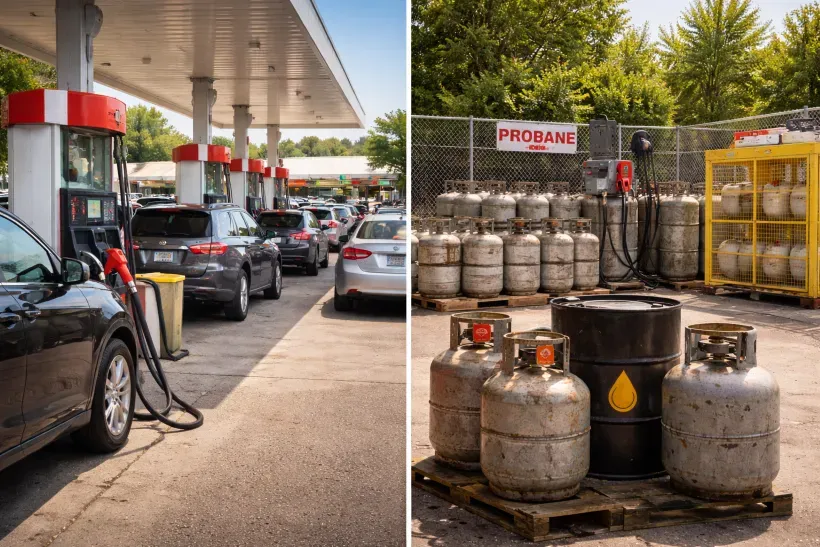
Global energy markets experienced synchronized surges in natural gas and refined fuel prices at the end of the week, as ongoing geopolitical tensions in the Middle East and disruptions to energy flows through the Strait of Hormuz fueled fears of global supply shortages.
U.S. natural gas prices rose to $3.186 per million British thermal units, a daily increase of $0.18 or 6.09%, reflecting growing hedging demand for energy amid rising oil and fuel prices. Gas market performance remains closely tied to global oil market developments, with oil trade disruptions prompting many countries and industrial facilities to increase reliance on gas as an alternative energy source.
Natural gas trading volumes saw significant activity as investors and hedge funds entered the market, anticipating further price increases if the Gulf shipping crisis persists. The value of energy contracts broadly rose, with U.S. gasoline futures climbing to $2.767 per gallon, up $0.13 or 5.04%. This reflects concerns that oil supply disruptions will constrain refined fuel production at global refineries, especially given the large share of traded oil passing through the Gulf.
Heating oil futures also edged up to $3.618 per gallon, a slight change of 0.12%, indicating sustained pressure across the oil derivatives market despite varying rates of increase among products. The current rally highlights how oil price shocks quickly permeate the entire energy chain, raising production costs for gasoline, diesel, and heating oil.
These price increases come as fears grow over a potential global energy supply shortage, with shipping through the Strait of Hormuz - responsible for about a fifth of global oil trade - nearly at a standstill. Higher security risks and increased marine insurance costs have further restricted tanker movements, driving up energy prices worldwide.
Markets are closely monitoring government responses, as major economies consider measures such as releasing strategic energy reserves to contain price spikes. Meanwhile, global energy companies are reassessing supply chains and rerouting shipments along alternative routes to mitigate the impact of Gulf shipping disruptions.
EcoPulse24 Analysis:
The concurrent rise in natural gas and gasoline prices alongside oil reflects the transmission of energy shocks across all segments of the fuel market. When key supply routes like the Strait of Hormuz are disrupted, the impact extends beyond crude oil to gas and oil derivatives. This synchronized price surge indicates that markets are broadly pricing in a scenario of supply shortages, potentially pushing global energy costs even higher if geopolitical tensions persist or shipping constraints in the region intensify.
Explore Related Coverage
Sources & References
Editorial Note
Disclaimer
© 2025 EcoPulse24. All rights reserved.