EU Grants Unprecedented Tariff Exemption to China-Made Volkswagen Electric Car, Cupra Tavascan
EU exempts VW's China-made Cupra Tavascan EV from tariffs, balancing trade with China and attracting EV investment under new EU rules.

Brussels | EcoPulse24
The European Union's decision to exempt a China-manufactured electric vehicle from additional tariffs reflects a notable shift in Brussels' approach to trade with Beijing, aiming to balance local industry protection with attracting high-quality investment in the electric vehicle sector. The exemption, covering Volkswagen's Cupra Tavascan, is the first practical application of a new EU mechanism designed to manage trade tensions without abandoning regulatory oversight.
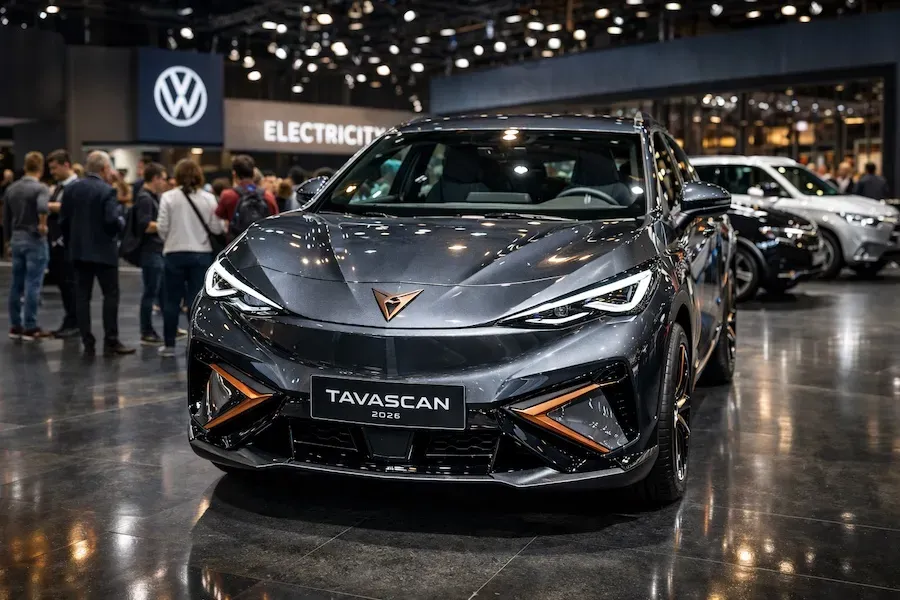
The European Commission approved Volkswagen (Anhui) Automotive's request to sell the Cupra Tavascan, a compact electric SUV made in China, in the EU under special conditions. The car will not be subject to the 20.7% countervailing duty imposed since 2024, provided it meets a minimum agreed import price and a set import quota.
This exemption is part of a new EU framework allowing automakers to apply for tariff waivers for each electric model made in China. The mechanism aims to manage low-cost vehicle inflows while keeping the EU market attractive for long-term EV-related investments.
In return, Volkswagen committed to specific import quotas and significant investment in EU-based EV and battery projects. Although the Commission did not disclose the minimum price or quota details, the arrangement signals a clear trade-off between market access and industrial investment localization. Volkswagen applied for the exemption in October.
The decision is significant for Volkswagen, which invests billions in its Anhui, China facility producing the Tavascan. Exemption from extra tariffs will improve margins previously squeezed by the tariff regime, as European automakers face growing competition from Chinese brands.
The agreement also provides a potential roadmap for other companies, including major Chinese firms, to expand in Europe by complying with EU pricing and investment criteria. This comes amid a surge in Chinese EV sales in Europe and broader structural changes in the global auto industry.
EcoPulse24 Analysis:
Volkswagen's exemption marks a pragmatic shift in EU trade policy, easing direct confrontation with China in exchange for investment guarantees that protect the local industrial base. Brussels is recalibrating its protective tools to be more selective and flexible. This approach opens a window for global automakers to restructure supply chains and production between Asia and Europe, while giving the EU new leverage in negotiations to combine investment attraction with industry competitiveness during a period of rapid market change.
Explore Related Coverage
Sources & References
Editorial Note
Disclaimer
© 2025 EcoPulse24. All rights reserved.