EU Natural Gas Prices Hit 1-Month High at EUR 49.8 Per MWh
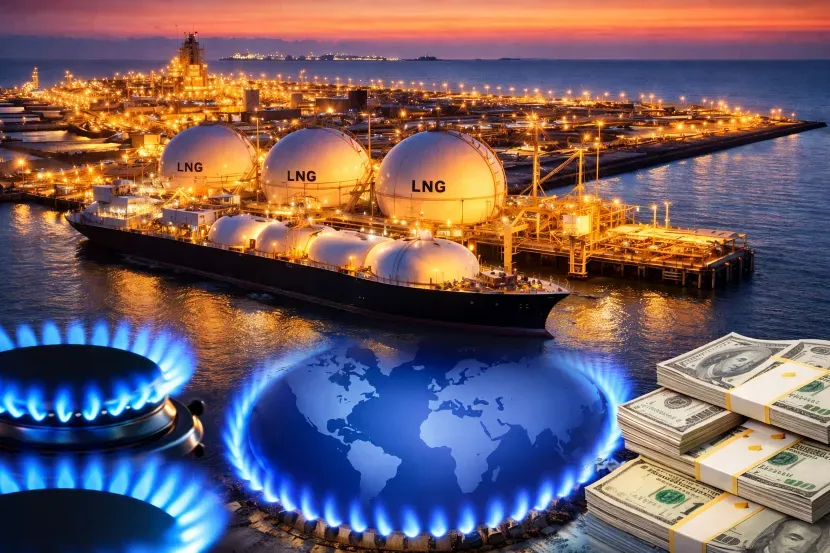
European natural gas prices rose to EUR 49.8 per MWh, a one-month high, as US-Iran hostilities raised fears of LNG supply disruption from the Persian Gulf.

EcoPulse24 | London
European natural gas prices climbed to EUR 49.8 per megawatt-hour on Thursday, their highest level in a month, as renewed hostilities between the United States and Iran raised fresh concerns over potential disruptions to liquefied natural gas (LNG) supplies from the Persian Gulf region. The latest advance follows a 5.1% surge in the previous session, driven by fears that escalating tensions could restrict energy flows through the Strait of Hormuz, a critical artery for global energy trade.
Strait of Hormuz Concern Returns to Centre Stage
The Strait of Hormuz handles roughly one fifth of global oil and LNG trade, making it a focal point for energy market anxiety whenever geopolitical tensions in the Persian Gulf rise. Vessel tracking data showed a decline in Hormuz transits in recent sessions, with most visible activity concentrated along alternative routes, while key shipping corridors saw limited movement. Market participants are closely monitoring developments after US forces carried out additional strikes in the region, prompting concern about the reliability of LNG shipments bound for European terminals, particularly as the continent enters a period of peak inventory rebuilding ahead of the winter heating season.
Europe's Winter Gas Inventory Build at Risk
European gas storage levels had been recovering steadily through spring and early summer, benefiting from mild weather and relatively stable LNG import flows. However, any sustained disruption to Persian Gulf LNG exports could complicate Europe's efforts to reach storage targets ahead of peak winter demand. Europe relies on a combination of pipeline gas and LNG imports to balance its energy needs, with LNG from the Middle East constituting an increasingly important share of supply since pipeline imports from Russia were drastically curtailed. Analysts warn that prolonged tension in the Gulf could create significant upward pressure on gas prices heading into the fourth quarter of 2026.
Broader Energy Complex and GCC Implications
The natural gas rally came alongside continued strength in crude oil markets, with Brent crude holding near multi-session highs following a surge of more than 4% in the prior session. The convergence of elevated oil and gas prices reflects a broad reassessment of energy supply risks across the complex. For GCC producers, higher energy prices represent a potential revenue tailwind, though regional uncertainty simultaneously creates challenges for investment planning. HSBC separately revised down its average Brent crude forecast for 2026 to USD 80 per barrel, while maintaining a cautious outlook for the second half of the year pending resolution of regional developments.
Central Bank and Inflation Implications
The energy price surge is occurring against a challenging macroeconomic backdrop. Minutes from the Federal Reserve's June meeting showed divisions among policymakers, with markets now pricing a roughly 64% probability of a September rate hike. The European Central Bank, which delivered its first rate hike since 2023 at its June meeting, has signalled a data-dependent approach with markets now pricing a 70% probability of a September increase. Persistently elevated energy prices would reinforce the hawkish case among central bank officials on both sides of the Atlantic and could weigh on economic growth forecasts for the second half of 2026.
EcoPulse24 Analysis
EcoPulse24 Analysis: The return of Strait of Hormuz risk as a live market concern marks a significant shift in European energy pricing dynamics. European gas markets are particularly sensitive given the continent's ongoing effort to reduce pipeline dependence and its growing reliance on LNG. Any prolonged disruption to Gulf LNG flows would accelerate a rebalancing of global LNG trade in ways that could benefit certain producers while simultaneously raising costs for importers. The key variable to monitor is whether tanker traffic through the strait continues to decline in coming days, as that will determine whether this represents a temporary price spike or the beginning of a more sustained repricing of European energy heading into winter.
Explore Related Coverage
Sources & References
Editorial Note
Disclaimer
© 2025 EcoPulse24. All rights reserved.