German Producer Prices See Biggest Drop in 20 Months Due to Energy Cost Decline
German producer prices fell 2.5% in Dec 2025, mainly due to lower energy costs, signaling ongoing deflation and weak industrial demand.

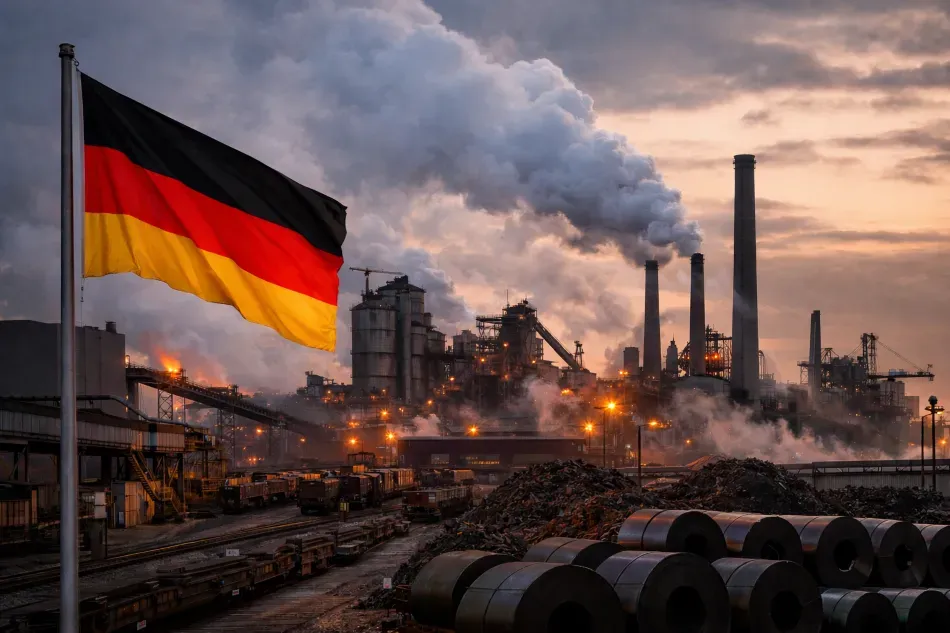
Berlin | EcoPulse24
Producer prices in Germany recorded a year-on-year decline of 2.5% in December 2025, compared to a 2.3% drop in November, surpassing market expectations of a 2.4% decrease. This marks the largest fall since April 2024 and is the tenth consecutive month of annual declines in producer prices.
The decrease was primarily driven by a 9.7% drop in energy prices, including a 14.6% fall in natural gas prices, an 11.1% decrease in electricity prices, and a 6.6% decline in mineral oil products, alongside a slight decrease in district heating. In contrast, producer prices excluding energy rose by 0.9%, supported by higher prices for durable and non-durable consumer goods as well as capital goods.
On a monthly basis, the producer price index fell by 0.2% in December, matching expectations and marking the first monthly decline in three months. For the whole of 2025, the average contraction in producer prices was about 1.2%, reflecting continued deflationary pressures in Germany's industrial sector despite rising input costs such as metals.
EcoPulse24 Analysis:
The sharp decline in German producer prices reflects the ongoing impact of falling energy costs on industrial supply chains, easing cost pressures for factories but also highlighting weak pricing momentum and final demand. While core prices excluding energy have improved, the increase remains limited and insufficient to offset the overall contraction.
Ten consecutive months of deflation suggest a contractionary manufacturing environment that could pressure company margins and delay investment decisions, especially amid slowing European and global demand. However, this trend gives the European Central Bank more room to maintain a less restrictive monetary policy in 2026, unless unexpected inflationary shocks arise from wages or supply chains.
In summary, the producer price data supports a scenario of orderly industrial slowdown rather than a sharp crisis, but also underscores that a full recovery of the German economy remains fragile and dependent on improved external demand and stable energy markets.
Explore Related Coverage
Sources & References
Editorial Note
Disclaimer
© 2025 EcoPulse24. All rights reserved.