IEA Chief Birol: Over 40 Middle East Energy Facilities Damaged Across Nine Countries
IEA chief Fatih Birol says over 40 energy sites in 9 Middle East nations suffered severe damage, warning of prolonged supply disruptions.

EcoPulse24 | Canberra
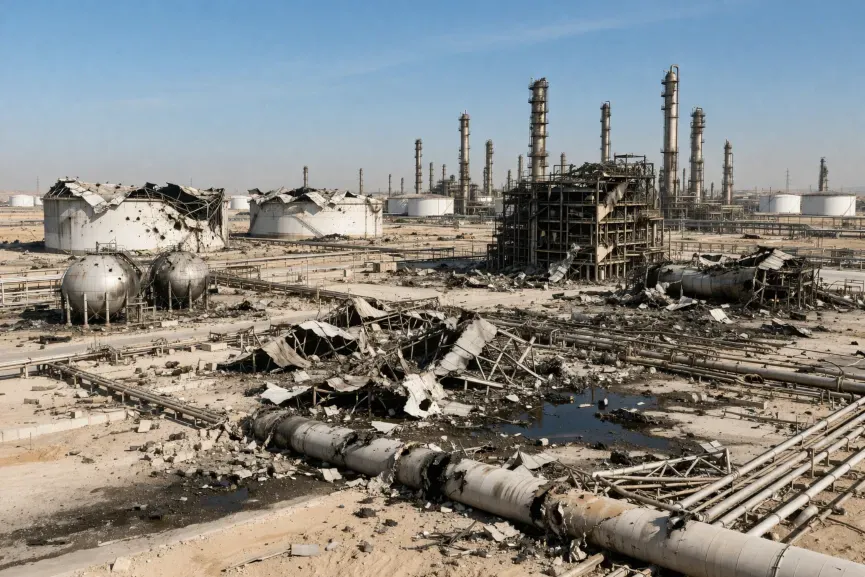
IEA Executive Director Fatih Birol said on Monday that at least 40 energy facilities across nine Middle Eastern countries have sustained severe or very severe damage since the start of the regional conflict, raising concern over the potential for long-lasting supply disruptions to global energy markets.
Largest Supply Disruption in Oil Market History
Speaking at the National Press Club in Canberra, Australia, Birol said the ongoing conflict has significantly disrupted energy trade flows through the Strait of Hormuz, resulting in what the IEA describes as the largest supply disruption in the history of the global oil market. Global LNG supply has fallen by approximately 20% since the conflict began on February 28, according to the agency.
Beyond Oil and Gas: Vital Economic Arteries Cut
Birol emphasized that the damage extends well beyond oil and gas. "Not just oil and gas, but some of the vital arteries of the global economy such as petrochemicals, fertilizers, sulfur, and helium-all of their trade has stopped, which will have serious consequences for the global economy," he said. The Strait of Hormuz carries roughly 20% of the world's daily oil and gas, making it the single most critical maritime chokepoint for global energy flows.
Repairing Damaged Infrastructure Will Take Time
The IEA chief warned that repairing the oil and gas fields, refineries, and pipelines damaged across the Middle East will take considerable time. He drew a stark historical comparison, stating that the combined impact of the current disruption rivals the sum of the two major oil crises of the 1970s and the European gas crisis of 2022. The conflict entered its fourth week as Birol delivered his remarks, with markets closely monitoring the situation.
Reopening Hormuz Is the Priority
Birol described the reopening of the Strait of Hormuz as "the most important solution" to the current global energy crisis. He noted that Asia is particularly affected by the energy shocks stemming from the regional conflict, given its heavy dependence on Gulf oil and LNG imports. The IEA released 100 million barrels of oil from member-country emergency strategic reserves on March 11, and Birol confirmed the agency is prepared to authorize additional releases if circumstances require, saying: "If needed, of course we will do it."
IEA Emergency Coordination
The IEA has been in active discussions on drawing further volumes from its member states' strategic petroleum reserves. The agency has also issued practical demand-side guidance to member countries, including working from home and reducing driving speeds, to help offset the supply shortfall. The coordinated emergency response represents one of the most significant internationally managed energy interventions in recent decades.
EcoPulse24 Analysis
EcoPulse24 Analysis: Birol's confirmation that 40 or more facilities across nine countries are damaged sets a sobering baseline for how long this disruption could persist. Repair timelines for oil fields, refineries, and pipelines typically run from months to years, suggesting that even a diplomatic resolution of the conflict may not quickly restore full supply capacity to pre-conflict levels. For energy-importing economies in Asia and Europe, the focus now shifts to the durability of IEA emergency stocks and the pace of any alternative supply routing arrangements. Markets will watch closely for IEA member-state signals on the scale of additional reserve releases, particularly as demand for heating and industrial activity sustains through the second quarter.
Explore Related Coverage
Sources & References
Editorial Note
Disclaimer
© 2025 EcoPulse24. All rights reserved.