Kuwait Petroleum Corporation Signs $16 Billion Pipeline Infrastructure Deal With Blackstone, Brookfield and KKR
Kuwait Petroleum inks $16B pipeline deal with Blackstone, Brookfield, KKR, marking Kuwait's largest-ever foreign direct investment.

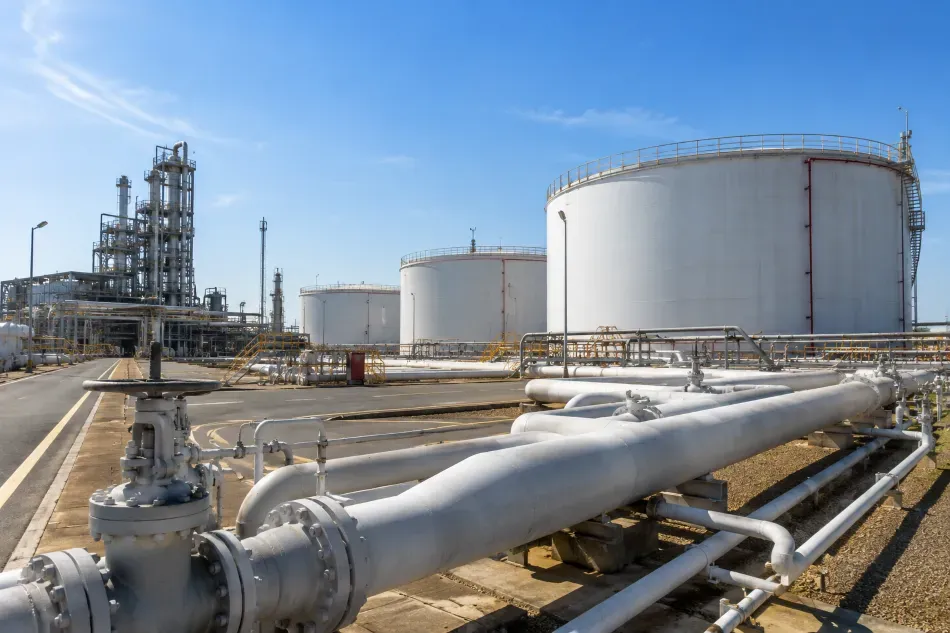
Kuwait City | EcoPulse24
SEO Title
SEO Description
Kuwait Petroleum Corporation (KPC) has signed a $16 billion agreement with a consortium comprising Blackstone, Brookfield Asset Management, and KKR involving its crude oil pipeline network, in what the state-owned energy company described as the largest foreign direct investment (FDI) in Kuwait's history.
The transaction, known as Project Shaheen, establishes a joint venture between Kuwait Oil Company (KOC) - a subsidiary of KPC - and the three U.S.-based investment firms under a 20.5-year lease-and-leaseback agreement, with tariffs linked to crude oil flow volumes.
Project Shaheen Structure
According to KPC, the agreement allows Kuwait Oil Company to monetize part of its pipeline infrastructure while maintaining operational oversight and national ownership of the strategic asset.
The lease-and-leaseback structure is designed to generate long-term financing without transferring control of the country's critical energy infrastructure.
Revenue generated by the project will be based on tariffs tied to throughput volumes across the pipeline network.
Ownership and Operational Control
Under the agreement, the consortium of Blackstone, Brookfield and KKR will collectively acquire a 49% stake in the joint venture, while Kuwait Oil Company will retain 51% ownership.
KPC emphasized that Kuwait will preserve full national ownership and complete operational control of the crude oil pipeline network, which consists of 13 pipelines spanning approximately 320 kilometers.
Upfront Cash Proceeds
The transaction is expected to generate $7.85 billion in upfront cash proceeds upon completion.
KPC said the agreement forms part of broader efforts across the Gulf region to unlock value from infrastructure assets, attract foreign capital and support domestic investment programs while maintaining control over strategic national infrastructure.
Largest Foreign Direct Investment in Kuwait
The company described the transaction as the largest foreign direct investment ever completed in Kuwait, underscoring growing international investor interest in Gulf energy infrastructure.
The deal follows a regional trend in which national oil companies have increasingly partnered with global institutional investors to raise capital through infrastructure monetization while retaining ownership and operational authority over key assets.
Transaction Summary
| Item | Details |
|---|---|
| Transaction Value | $16 Billion |
| Project | Project Shaheen |
| Structure | Lease-and-Leaseback Agreement |
| Duration | 20.5 Years |
| Investors | Blackstone, Brookfield, KKR |
| Investors' Stake | 49% |
| Kuwait Oil Company Stake | 51% |
| Upfront Cash Proceeds | $7.85 Billion |
| Pipeline Network | 13 Pipelines (~320 km) |
| Significance | Largest Foreign Direct Investment in Kuwait's History |
Key Infrastructure Facts
| Category | Information |
|---|---|
| Asset | Crude Oil Pipeline Network |
| National Ownership | Fully Retained by Kuwait |
| Operational Control | Retained by Kuwait Oil Company |
| Revenue Model | Tariffs Linked to Throughput Volumes |
| Objective | Infrastructure Monetization While Preserving Strategic Control |
EcoPulse24 Analysis
Project Shaheen marks one of the Gulf region's largest infrastructure monetization transactions and highlights Kuwait's evolving approach to financing strategic energy assets without relinquishing ownership or operational control.
By partnering with leading global investment firms including Blackstone, Brookfield and KKR, Kuwait Petroleum Corporation gains immediate access to substantial capital while maintaining majority ownership and full operational authority over its crude oil pipeline network. The $7.85 billion in expected upfront proceeds provides additional financial flexibility to support future investment programs across Kuwait's energy sector.
The transaction also reflects a broader regional trend in which national oil companies are increasingly using long-term lease-and-leaseback structures to unlock value from mature infrastructure assets. These arrangements allow governments to attract institutional capital while preserving national sovereignty over strategic infrastructure.
For global investors, the appeal lies in the predictable, long-term cash flows generated by tariff-based infrastructure assets rather than direct exposure to oil price volatility. This structure aligns the interests of both Kuwait and international investors, reinforcing confidence in Gulf energy infrastructure as an attractive destination for long-term institutional investment.
Explore Related Coverage
Sources & References
Editorial Note
Disclaimer
© 2025 EcoPulse24. All rights reserved.