KPC Considers $7 Billion Pipeline Stake Sale to Fund Oil Expansion
KPC may sell a $7B pipeline stake to global investors to fund oil expansion, retaining control while raising capital via a leaseback model.

Kuwait | EcoPulse24
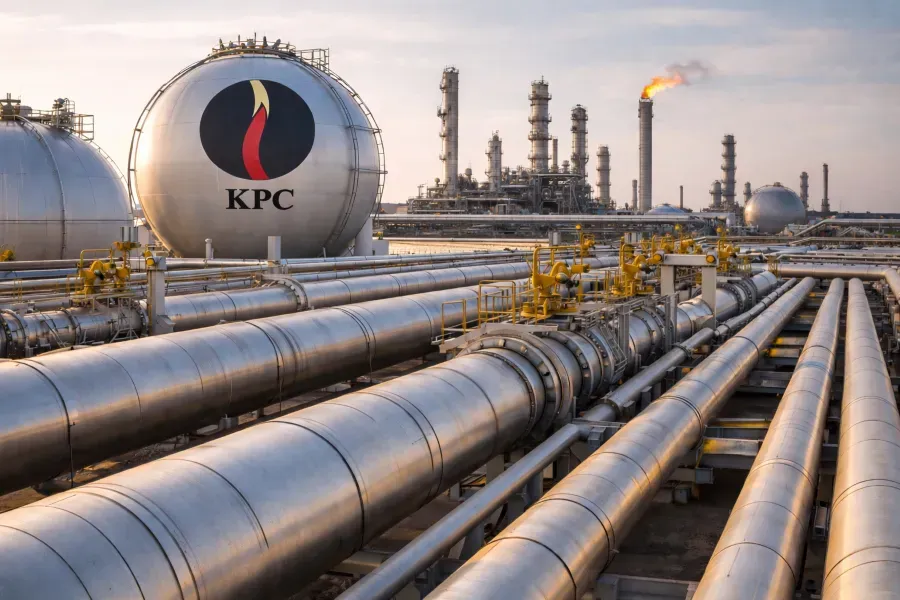
Sources told Reuters that Kuwait Petroleum Corporation (KPC) has held preliminary talks with leading global investors to sell a stake in its crude oil pipeline network, in a deal that could be valued at up to $7 billion. This reflects a growing Gulf trend of restructuring strategic assets and funding capital expansions through innovative investment models.
Potential investors include BlackRock, Brookfield Asset Management, EIG Partners, KKR, Asian investors such as China’s Silk Road Fund and China Merchants Capital, as well as I Squared Capital and Macquarie Infrastructure Partners.
The deal is structured with around $1.5 billion in equity, with the remainder financed through debt. KPC is seeking to expand the pool of banks involved in arranging the credit portion alongside HSBC. JPMorgan, Centerview Partners, and HSBC are advising on the transaction and gauging investor interest ahead of an official launch.
The transaction would use a lease and leaseback model, providing immediate liquidity to KPC while granting investors long-term financial rights and allowing the Kuwaiti government to retain full operational control. The deal covers 13 oil pipelines over a 25-year concession, with the government maintaining a controlling majority and full operational authority. Kuwait’s Prime Minister previously affirmed that such transactions would not affect state ownership of strategic assets.
Returns for investors are calculated based on the yield of US Treasury bonds plus a credit margin and transaction premium, similar to frameworks used in recent Gulf energy asset deals.
The potential sale is part of KPC’s broader $65 billion investment program, with around $33 billion allocated to increase oil production capacity to 4 million barrels per day by 2035. Current output stands at about 3.2 million barrels per day, down from a peak of 3.3 million in 2010, necessitating substantial infrastructure and field investments.
KPC CEO Sheikh Nawaf Al-Sabah has stated that the company is seeking the cheapest source of funding, noting that monetizing pipeline assets is a practical option, as seen with ADNOC and Aramco.
This move is part of a wider Gulf trend toward recycling energy infrastructure assets. ADNOC previously sold a 40% stake in its pipeline network to a consortium led by BlackRock and KKR, and BlackRock led an $11 billion deal for Saudi Jafurah project assets in 2025. Regional bankers expect more deals in the coming year as governments seek to diversify funding sources amid oil price volatility, maximizing existing assets without compromising operational sovereignty.
EcoPulse24 Analysis:
The potential transaction signals a shift in Kuwait’s investment approach from traditional conservatism to a more flexible model involving partnerships with global capital while retaining control over strategic assets. It also reflects the growing recognition that financing oil sector expansion in a volatile price environment requires hybrid financial tools balancing debt and equity. If completed, this deal would formally align Kuwait with the Gulf’s broader energy asset restructuring trend, positioning oil infrastructure as both an operational and strategic financing asset.
Explore Related Coverage
Sources & References
Editorial Note
Disclaimer
© 2025 EcoPulse24. All rights reserved.