Norway Raises 2026 Oil and Gas Revenue Forecast to $78.7 Billion as Iran War Drives Energy Prices Higher
Norway raised its 2026 oil/gas revenue forecast to $78.7B due to Iran war-driven price hikes, boosting its sovereign wealth fund.

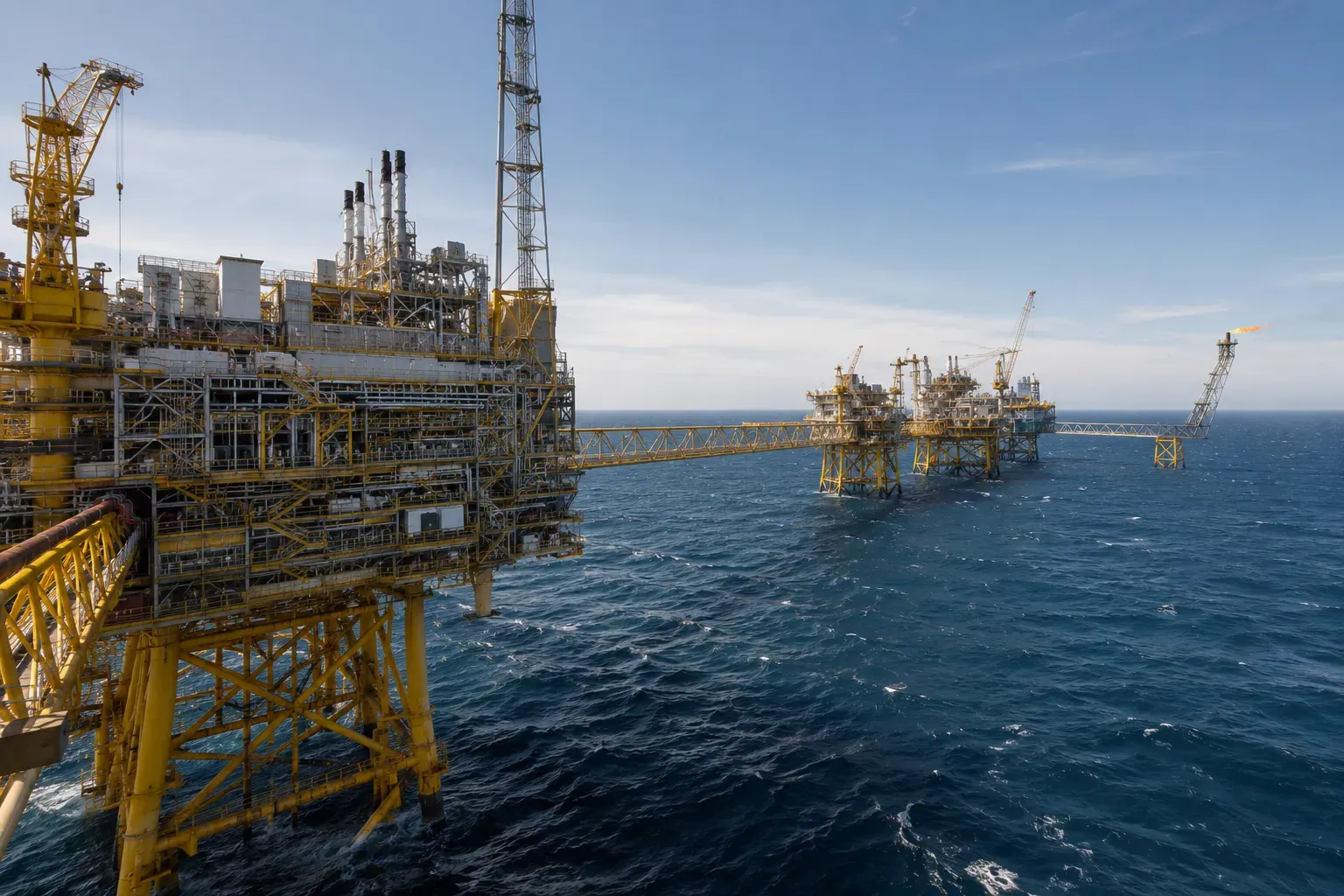
Oslo | EcoPulse24
Norway, oil prices, natural gas, Iran war, Strait of Hormuz, sovereign wealth fund
Norway’s government sharply raised its forecast for 2026 oil and gas revenue after the Iran war and disruptions across the Strait of Hormuz pushed global energy prices significantly higher, strengthening the country’s fiscal outlook despite broader economic headwinds.
The government now expects total state revenue from petroleum activities to reach 721.1 billion Norwegian crowns ($78.7 billion) this year, compared with 557.4 billion crowns ($60.7 billion) projected in the original budget released last October.
The revision represents an increase of nearly 30% in a single fiscal update, highlighting the scale of the energy market shock triggered by the ongoing Middle East conflict.
Oil and Gas Price Assumptions Surge
The revised outlook reflects a dramatic shift in Norway’s commodity price assumptions.
Oslo now expects crude oil prices to average $91 per barrel in 2026, up sharply from the previous assumption of $67 per barrel.
Natural gas price assumptions were also revised significantly higher to $14 per million British thermal units (MMBtu), compared with $10.4/MMBtu in the earlier budget forecast.
The adjustments come as the Iran war and shipping disruptions around the Strait of Hormuz continue tightening global energy markets and raising concerns over long-term supply stability.
The conflict has already driven Brent crude prices above $100 per barrel at several points in recent weeks while increasing volatility across LNG and global gas markets.
Windfall Revenue Directed to Sovereign Wealth Fund
Despite the massive increase in energy revenue, Norway’s minority Labour government said most of the additional income would be transferred into the country’s sovereign wealth fund, which is currently valued at approximately $2.2 trillion and remains the largest in the world.
Norway produces roughly 4 million barrels of oil equivalent per day, making it one of Europe’s most important energy suppliers following the continent’s reduction in dependence on Russian energy flows.
At the same time, the government slightly reduced planned fiscal withdrawals from the sovereign fund to 579 billion crowns this year, compared with 584 billion crowns projected in December.
Officials said the move reflects efforts to avoid overheating the domestic economy through excessive spending during a period of elevated inflation and high interest rates.
Inflation and Rate Pressure Persist
Although Norway benefits from large energy-driven fiscal surpluses, policymakers remain concerned that aggressive public spending could worsen inflation pressures and force borrowing costs even higher.
Last week, Norges Bank unexpectedly raised its benchmark interest rate by 25 basis points to 4.25%, moving earlier than many analysts anticipated in response to rising wage growth and energy-related inflation pressures.
The government also downgraded its outlook for the non-oil economy.
The Finance Ministry cut its 2026 non-oil mainland GDP growth forecast to 1.7% from 2.1% projected last October, citing the economic fallout from the Iran conflict and persistent geopolitical uncertainty.
Political and Tax Pressures
The revised budget is expected to trigger difficult parliamentary negotiations as the Labour-led government - currently facing weak polling numbers - seeks support from opposition parties.
Norway also maintains one of the world’s highest petroleum tax systems.
Oil and gas profits are subject to a combined marginal tax rate of 78%, including a standard corporate tax rate of 22% and a special petroleum tax rate of 71.8%.
Petroleum tax revenue alone is expected to total approximately 291.5 billion crowns in 2026.
Gas Becomes Increasingly Strategic
Norway produced approximately 239.2 million standard cubic meters of oil equivalent during 2025, with natural gas accounting for roughly half of total production.
Total natural gas sales reached 121.8 billion standard cubic meters, reinforcing Norway’s growing strategic role in Europe’s energy security framework amid ongoing supply disruptions.
Key Figures
| Metric | Previous Forecast | Revised Forecast |
|---|---|---|
| Oil & Gas Revenue | $60.7B | $78.7B |
| Oil & Gas Revenue | NOK 557.4B | NOK 721.1B |
| Oil Price Assumption | $67/bbl | $91/bbl |
| Natural Gas Price | $10.4/MMBtu | $14/MMBtu |
| Non-Oil GDP Growth | 2.1% | 1.7% |
| Benchmark Interest Rate | - | 4.25% |
| Sovereign Wealth Fund Size | - | $2.2 trillion |
EcoPulse24 Analysis
Norway’s sharply upgraded energy revenue forecast demonstrates how the Iran war and disruptions around the Strait of Hormuz are reshaping economies far beyond the Middle East itself.
While energy-importing economies face rising inflation and higher industrial costs, major exporters such as Norway are benefiting from the sharp rise in oil and gas prices, recreating some of the surplus dynamics seen during previous geopolitical energy crises.
What stands out, however, is Oslo’s cautious fiscal approach.
Rather than dramatically increasing public spending, Norwegian authorities are attempting to preserve macroeconomic stability by channeling excess energy income into the sovereign wealth fund while limiting inflationary pressure at home.
The figures also reinforce the increasingly strategic role of natural gas in Europe’s energy security architecture following the decline of Russian supply flows.
That dynamic is strengthening the long-term importance of both Norway and Gulf energy producers within the evolving global energy system.
If tensions around Iran and the Strait of Hormuz persist, Europe could face renewed inflationary pressure and elevated energy costs during the second half of 2026, potentially forcing additional monetary tightening across several advanced economies.
Sources & References
Reuters / MarketScreener — https://www.marketscreene…026-ce7f5bded88ef320
Marine Link — https://www.marinelink.co…orecast-jumps-539080
OE Digital — https://www.oedigital.com…cast-jumps-30-for-26
Norsk Petroleum (Norwegian Government) — https://www.norskpetroleu…overnments-revenues/
Norsk Petroleum — Production Forecasts — https://www.norskpetroleu…roduction-forecasts/
Editorial Note
Disclaimer
© 2025 EcoPulse24. All rights reserved.