Political Blow to Trump Tariffs on Canada as Electoral Anxiety and Congressional Divisions Deepen
House votes to end Trump tariffs on Canada, exposing GOP divisions and signaling waning Trump influence ahead of midterms.

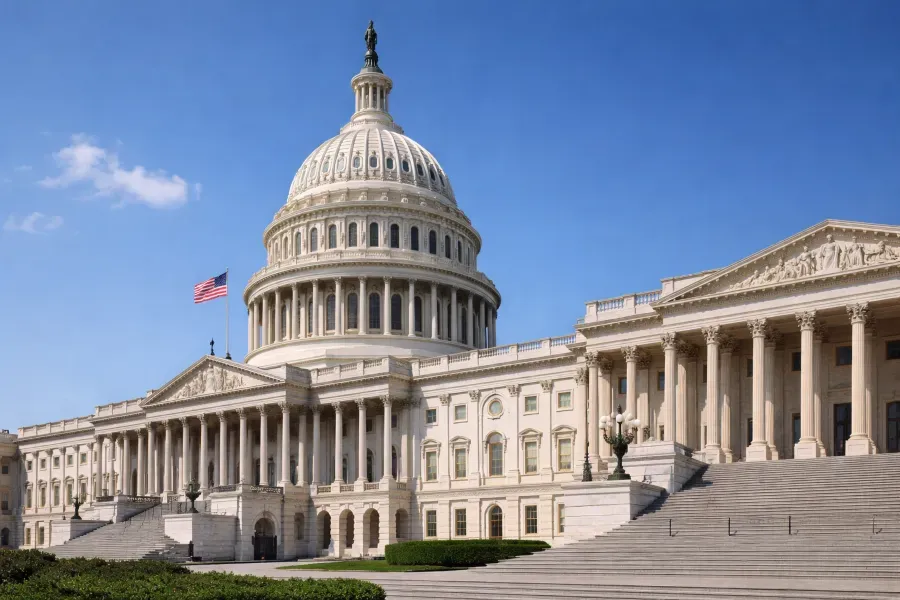
Washington | EcoPulse24
President Donald Trump’s trade approach suffered its strongest political setback to date after the Republican-led U.S. House of Representatives voted for legislation to end tariffs on Canadian imports. This move reflects mounting concern within the political establishment over the White House’s economic policies just months before the midterm elections.
The Wednesday evening vote defied the administration’s wishes and sent a clear signal of growing pressure on Trump to reconsider tariffs, a key pillar of his agenda. Although the bill is almost certain to face a presidential veto, its passage in the House carries significant political weight beyond its legislative prospects.
The result exposed deepening cracks within the slim Republican majority, as six GOP lawmakers joined Democrats to support the bill. Most Democrats opposed the tariffs, blaming supporting Republicans for policies that increase living costs for voters.
This development underscores worries that the coming election could become a referendum on Americans’ ability to afford rising costs. Democrats are leveraging these economic pressures, while Republican lawmakers in swing districts face a tough choice between loyalty to Trump and their constituents’ interests.
While Trump can veto any such bill, the vote highlights his waning influence in Congress, coinciding with declining approval ratings on the economy and immigration - two key issues in the fight for control of Congress.
Trump responded by threatening severe political consequences for any Republicans who vote against tariffs, warning on social media that dissenters would suffer in both general and primary elections, insisting tariffs ensure U.S. economic and national security.
The six Republican defectors represent states with strong economic ties to Canada. Some cited robust cross-border trade and significant Canadian investment in U.S. jobs, arguing tariffs directly threaten local employment.
Politically, the vote dealt a blow to House Speaker Mike Johnson, a key Trump ally who had long blocked tariff-related bills. That barrier fell after three Republicans joined Democrats to allow the measure to proceed.
This comes as Trump considers withdrawing from the U.S.-Mexico-Canada trade agreement, a move that could heighten North American trade tensions. Data shows about 80% of Canadian imports already meet current agreement criteria and are tariff-exempt, so further escalation could have broad economic impacts.
The pressure isn’t isolated to the House; the Republican-controlled Senate previously voted to scrap Trump-era tariffs on Brazil and global emergency tariffs, showing widening dissent within the party.
Meanwhile, Democrats have scored notable electoral gains in recent months, including flipping a safe Republican Texas Senate seat, intensifying GOP fears of further losses.
EcoPulse24 Analysis:
The House’s recent action does not change the legal status of Trump’s tariffs on Canada but alters the political landscape. The tariffs have become a clear electoral burden amid economic strain, weakening their effectiveness as a political tool. Ongoing policies risk complicating North American trade and creating uncertainty for supply chains and investment. Politically, the vote reveals Trump’s diminishing control over his party - a trend likely to grow as elections approach, opening the door to broader reassessment of U.S. trade policy.
Explore Related Coverage
Sources & References
Editorial Note
Disclaimer
© 2025 EcoPulse24. All rights reserved.