Rising Coffee Prices Reshape Global Consumer Behavior and Pressure Cafe Chains
Rising coffee prices are shifting consumer habits towards home brewing and cheaper options, impacting cafe chains and boosting private labels.

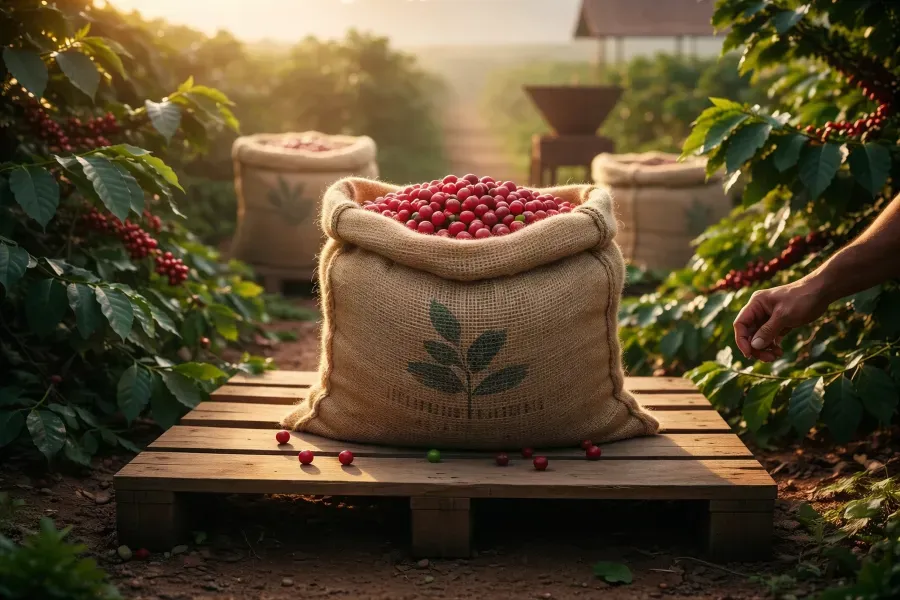
Global coffee prices are undergoing significant changes after reaching record levels in 2025, directly affecting the cost of hot beverages in cafes and prompting consumers to reconsider their daily habits without abandoning coffee consumption.
Market data shows that the price of arabica beans, favored by major chains like Starbucks, has surged due to global supply disruptions, adverse weather in Brazil, and trade tariffs, stabilizing coffee futures in New York at around $3.54 per pound, more than double the historical average over the past two decades.
Consumer Behavior Shift, Not Demand Drop
Despite price pressures, consumer spending data indicates that demand for coffee has not significantly decreased but has shifted towards less expensive alternatives. The average price of a cup of coffee in the U.S. has risen by about 20% since early 2023, yet consumers have preferred:
- Brewing coffee at home
- Purchasing whole beans or ready-to-drink coffee through subscriptions
- Relying on drive-thru outlets and small stores
American consumers' spending on coffee products is estimated to exceed $100 billion annually, highlighting demand resilience despite inflation.
Home Competes with Cafes
International surveys show that 37% of consumers have increased home coffee preparation due to rising prices, with predictions that two-thirds of non-adopters will join this trend in the next 12 months. Sales of home coffee machines in some European markets have surged by over 40% during discount seasons.
In retail, private label brands are experiencing rapid growth as consumers seek acceptable quality at lower prices, intensifying competition at the expense of more expensive traditional brands.
Impacts on Companies and Stocks
This shift places competitive pressure on major cafe chains, which are striving to maintain visitor traffic by:
- Diversifying sales channels (in-store, drive-thru, apps)
- Freezing or slowing price increases
- Focusing on value for money
Conversely, ready-to-drink coffee companies and private label manufacturers are benefiting from demand exceeding production capacity in some markets, driving new investment expansions.
Future Outlook
These developments reflect a structural shift in coffee consumption: demand is ongoing, but price and value have become critical factors, especially among younger generations. While cafes remain a social element, cheaper home coffee is solidifying its position as a primary choice as inflationary pressures persist.
Sources & References
Editorial Note
Disclaimer
Please review the Terms & Conditions.
© 2025 EcoPulse24. All rights reserved.