Samsung Cuts 739 U.S. Jobs as Headquarters Relocates to Texas in Broader Corporate Shift
Samsung to cut 918 NJ jobs by 2026 as it moves US HQ to Plano, Texas, citing strategic realignment and Texas' tech, tax, and cost advantages.

Dubai | EcoPulse24
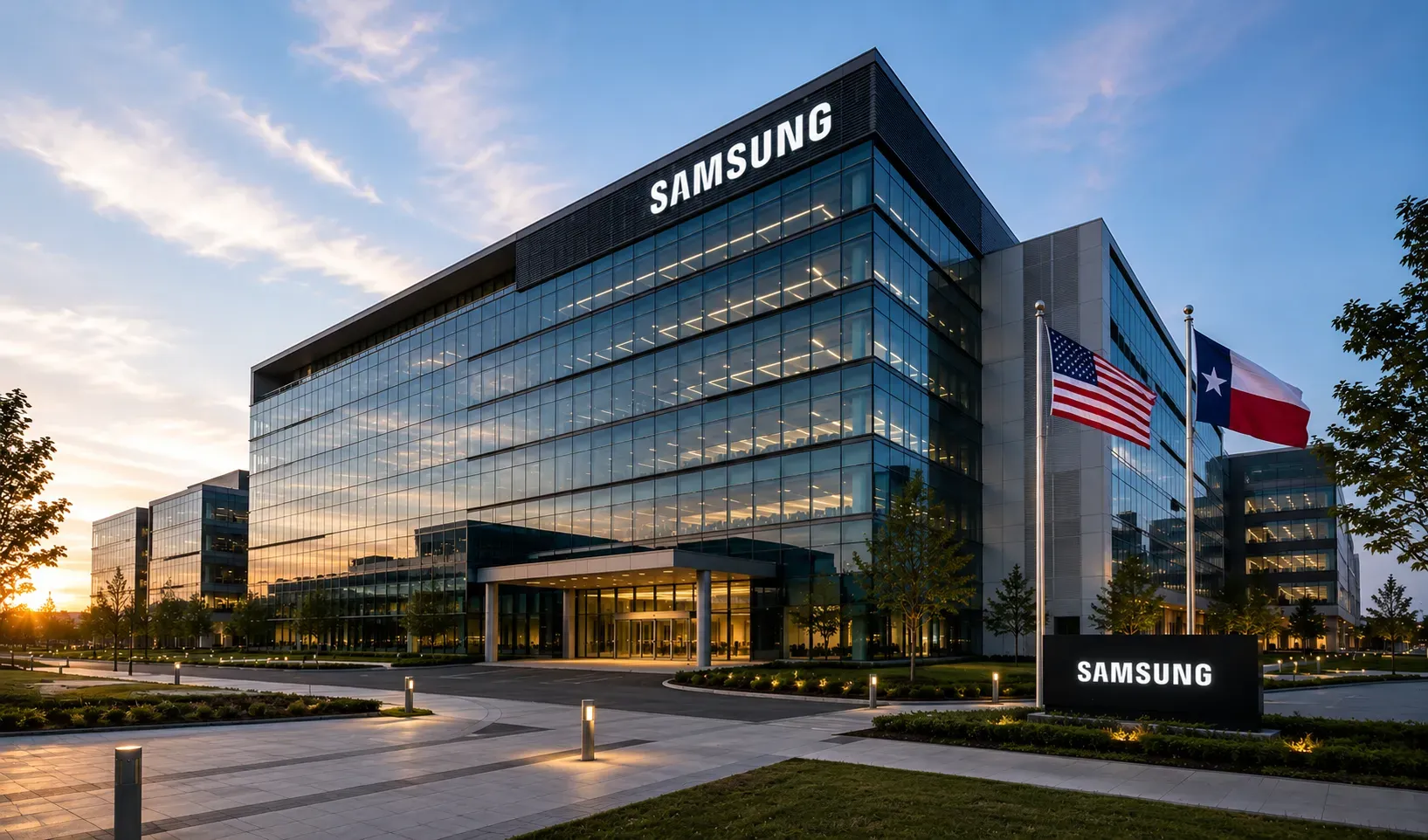
Samsung Electronics America is eliminating 739 positions at its headquarters in Englewood Cliffs, New Jersey, effective September 30, 2026, as the company moves forward with plans to relocate its U.S. headquarters to Plano, Texas. The move represents more than a workforce reduction, reflecting a broader strategic realignment toward one of America's fastest-growing technology and manufacturing hubs.
According to an official WARN filing submitted to the State of New Jersey, the layoffs are directly linked to the headquarters relocation. A separate WARN notice also showed that Samsung SDS America will eliminate 179 additional positions in Ridgefield Park, effective October 1, 2026, bringing the combined total to 918 affected jobs across the two entities.
Headquarters relocation drives restructuring
Samsung announced in June that it would relocate its U.S. headquarters from Englewood Cliffs to Plano by the end of 2026 after notifying employees of the decision in late May and issuing a public statement on June 1.
The move marks Samsung's second U.S. headquarters relocation in less than a year, following the company's transition from Ridgefield Park to Englewood Cliffs in 2025. The repeated restructuring illustrates Samsung's continued effort to optimize its operational footprint in the United States.
The company described the relocation as part of a long-term business transformation designed to better position the organization for future growth while leveraging its more than three decades of operations in Texas and its existing corporate campus in Plano.
Employees face relocation or separation
The headquarters move is expected to affect roughly 1,000 employees, many of whom have reportedly been given the choice of relocating to Texas or leaving the company.
Such decisions have become increasingly common as corporations consolidate operations into regions offering stronger long-term economic advantages. While some employees relocate with the business, others choose to remain in their current locations, resulting in workforce reductions and new hiring in the destination state.
Why Texas?
Samsung's decision reflects multiple strategic considerations rather than a single cost-cutting initiative.
Texas has become one of the United States' leading destinations for semiconductor manufacturing and advanced technology investment. Samsung's expanding semiconductor operations in Taylor, Texas, together with the state's growing technology ecosystem, strengthen the business case for concentrating leadership and operational functions closer to key production assets.
The state also offers a significantly more competitive tax environment than New Jersey, including the absence of a state personal income tax and a generally lower corporate tax burden. Combined with lower operating costs and business-friendly policies, these advantages continue attracting major corporations seeking long-term efficiency.
The relocation also positions Samsung closer to strategic partners, suppliers and advanced manufacturing networks supporting next-generation semiconductor production and artificial intelligence infrastructure.
Part of a broader corporate migration
Samsung is far from the only major employer reshaping its U.S. footprint.
New Jersey has experienced a sharp increase in WARN notices throughout 2026, with more than 7,600 announced job reductions across the state involving companies including Verizon, Novartis, Johnson & Johnson, Prudential, JPMorgan Chase and Merck.
The trend reflects intensifying competition among U.S. states to attract corporate headquarters, advanced manufacturing facilities and technology investment through tax incentives, infrastructure, workforce availability and lower operating costs.
Key Figures
| Metric | Value |
|---|---|
| Samsung Electronics America layoffs | 739 |
| Samsung SDS America layoffs | 179 |
| Total announced layoffs | 918 |
| Current headquarters | Englewood Cliffs, New Jersey |
| New headquarters | Plano, Texas |
| Effective dates | Sept. 30 & Oct. 1, 2026 |
EcoPulse24 Analysis
Samsung's restructuring is not simply another corporate layoff announcement. It represents a broader shift in the geography of American business investment, where companies are increasingly prioritizing operating efficiency, manufacturing proximity and long-term competitiveness over traditional corporate locations.
Texas has emerged as one of the primary beneficiaries of this transformation. The state's combination of lower taxes, business-friendly regulation, expanding semiconductor investment and rapidly growing technology ecosystem has positioned it as a preferred destination for multinational corporations.
For Samsung, relocating its headquarters closer to its semiconductor investments creates opportunities for tighter integration between executive leadership, manufacturing operations and strategic supply-chain partners. As semiconductor production becomes increasingly central to artificial intelligence, automotive electronics and advanced computing, geographic proximity can improve coordination and accelerate decision-making.
At the same time, states such as New Jersey face mounting pressure to retain corporate headquarters amid rising operating costs and growing interstate competition. The increasing number of WARN notices illustrates how businesses continue reassessing their long-term geographic strategies in response to evolving economic conditions.
More broadly, Samsung's decision highlights an ongoing structural transformation in the U.S. economy. Corporate location strategies are becoming closely linked to semiconductor manufacturing, supply-chain resilience, skilled labor availability and fiscal competitiveness. Rather than representing isolated relocation decisions, these moves reflect a nationwide redistribution of investment toward regions capable of supporting the next generation of advanced manufacturing and technology industries.
Explore Related Coverage
Sources & References
Editorial Note
Disclaimer
© 2025 EcoPulse24. All rights reserved.