Sharp Slowdown in Russian Economy in 2025 Despite Resilient Labor Market and Surprise Industrial Uptick
Russia's 2025 GDP grew 1%, sharply down from 2024. Strong labor market masks risks; growth driven by military, not investment.

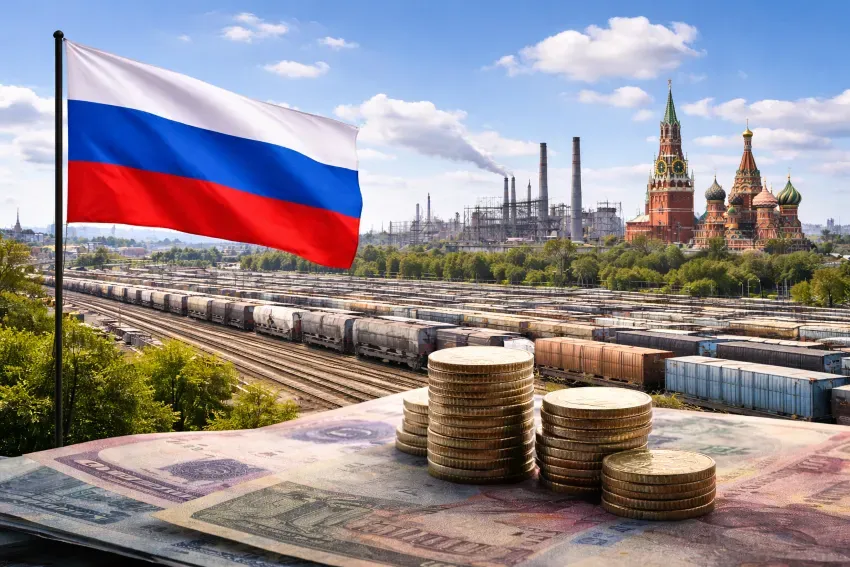
Moscow | EcoPulse24
The Russian economy posted modest growth in 2025, facing mounting pressure from the ongoing war in Ukraine, Western sanctions, and tighter monetary policy. This led to a loss of economic momentum compared to the previous year, despite a historically strong labor market and a surprising year-end rebound in industrial output.
🇷🇺 GDP Growth: Only 1% in 2025
Official data show Russia’s GDP grew by 1% in 2025, in line with market and Economy Ministry forecasts but slightly above the IMF’s estimate of 0.6%. This marks a sharp slowdown from 4.9% growth in 2024, pointing to a shift from recovery to structural fatigue.
Main Pressure Points:
- Government spending prioritized the military over productive investment
- Lower oil prices
- Natural gas exports declined due to European sanctions
- Weaker trade with China amid its industrial tightening
- Strong ruble, driven by high interest rates, hurt export competitiveness
By sector:
- Manufacturing grew 3.9%
- Extractive industries shrank 1.7%
👷 Labor Market: Near-Zero Unemployment, But Trouble Ahead
Russia’s unemployment rate edged up slightly to 2.2% in December 2025 from 2.1% in November, remaining near historic lows.
- Unemployed: 1.643 million
- Labor force: 76.3 million
- Employed: 74.7 million
- Employment rate: 61.7%
- Officially registered unemployed: ~0.3 million
Beneath the surface, the labor market faces a severe shortage since the war began in February 2022, due to military conscription, emigration, and a shrinking young workforce. Authorities expect the shortfall to reach 3.1 million workers by 2030.
🏭 Industrial Production: Surprise Surge in December
Industrial output grew 3.7% year-on-year in December 2025, beating forecasts for a 1% contraction and marking the strongest monthly performance since December 2024.
Key Growth Drivers:
- Manufacturing: +7.8%
- Vehicles and other equipment: +28.6%
- Tobacco products: +25.9%
- Finished metal products (excluding machinery): +21.5%
Declining Sectors:
- Mining: -2.8%
- Electricity, gas, steam: -0.7%
- Water and sanitation: -6.2%
Month-on-month, industrial output jumped 19% after a sharp drop in November.
Annual Results:
- Industrial growth in 2025: 1.3%
- Down from 5.1% in 2024
- Below the government target of 1.5%
📊 EcoPulse24 Analysis | What Do These Numbers Mean?
2025 data reveal an economy that’s outwardly resilient but internally strained:
1️⃣ Low-Quality Growth
Growth was driven by military spending and related manufacturing, not by healthy investment or consumption.
2️⃣ Tight, Risky Labor Market
Low unemployment reflects structural distortions, risking higher wage costs, lower productivity, and future inflationary pressures.
3️⃣ Temporary Industrial Gains
Industrial improvements are concentrated in specific sectors tied to military demand or import substitution, making growth hard to sustain.
4️⃣ 2026 Risks
- Continued energy weakness
- Declining export competitiveness
- Financing constraints from high interest rates
- Worsening labor shortages
🔍 Conclusion
The Russian economy ended 2025 at a crossroads: short-term resilience versus deepening structural challenges in the medium and long term. Without geopolitical easing or a shift in spending and investment models, growth will remain limited, fragile, and reliant on unsustainable factors.
Explore Related Coverage
Sources & References
Editorial Note
Disclaimer
© 2025 EcoPulse24. All rights reserved.