Shipping Disruption in Strait of Hormuz Pushes Oil Above $85, Threatening Largest Weekly Surge Since 2022
Oil tops $85 as Strait of Hormuz disruption sparks biggest weekly surge since 2022, raising global supply and inflation fears.

London | EcoPulse24
Global oil prices rallied strongly on Friday as escalating geopolitical tensions in the Middle East and disruption to shipping through the Strait of Hormuz caused significant disturbances in global energy flows, prompting markets to reassess the risks associated with supply.
Brent crude futures surpassed $85 per barrel, setting the stage for the largest weekly gain since 2022, as fears over a global supply shortfall intensified following the disruption of one of the world’s most critical energy passageways.
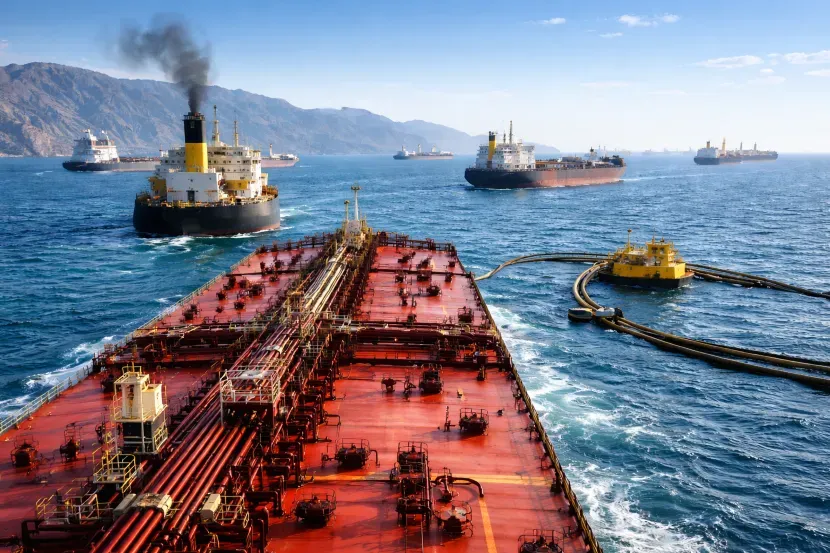
The Strait of Hormuz is a strategic chokepoint for about 20 million barrels per day of oil and petroleum products - representing a significant share of global seaborne supply - making any disruption to its maritime traffic an immediate concern for energy markets.
Recent developments have led to an almost complete halt in commercial shipping through the strait, with many shipping companies suspending operations due to heightened security risks, soaring insurance costs, and operational uncertainties facing global shipping and trade companies.
Some production companies have also begun to reduce or temporarily suspend part of their output due to logistical difficulties in exporting oil, further tightening supply and driving prices higher.
Geopolitically, tensions remain high after Iranian officials indicated no immediate move toward negotiations, raising market fears that the crisis may persist and continue to affect energy flows.
Meanwhile, the United States is exploring options to ease market pressure, including a possible release from the strategic petroleum reserve if the crisis worsens.
Washington has also temporarily allowed India to purchase some Russian oil cargoes already at sea, aiming to stabilize supplies in Asian markets that rely heavily on imports.
Separately, Saudi Arabia has increased its official selling prices for Asian buyers, reflecting expectations of higher regional demand amid Gulf supply disruptions. The kingdom is also redirecting some shipments through Red Sea ports to avoid the Strait of Hormuz, seeking to maintain export flows to global markets.
These moves illustrate a logistical reordering in global oil trade, as producers and energy companies seek alternative supply routes amid the disruption of a key maritime corridor.
EcoPulse24 Analysis:
The surge in oil above $85 signals a shift from geopolitical tension to a potential supply shock. The shipping halt in the Strait of Hormuz puts a significant portion of global energy trade at risk of real disruption, explaining the swift price rally. If shipping restrictions persist or the conflict widens, markets could face a tangible supply shortage in the near term, potentially driving prices much higher and reigniting global inflation concerns. Rerouting supplies through alternative channels will also increase transport and insurance costs, adding further upward pressure to global energy prices in the coming period.
Explore Related Coverage
Sources & References
Editorial Note
Disclaimer
© 2025 EcoPulse24. All rights reserved.