Tesla Plans Battery Cell Production in Germany Starting 2027 to Strengthen European Presence
Tesla will produce battery cells in Germany by 2027, aiming to boost European presence and reduce U.S. import reliance.

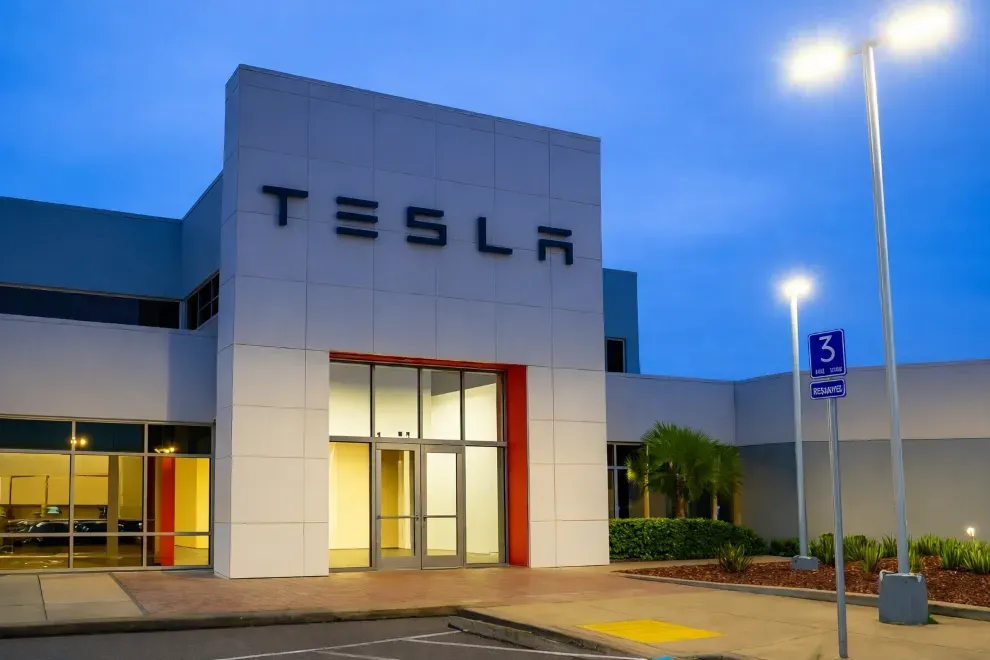
Tesla plans to start producing battery cells at its factory near Berlin starting in 2027, a move aimed at expanding its manufacturing footprint in Europe and reducing its reliance on imports from the United States, according to reports from the German news agency DPA.
According to the report, the Grünheide factory - Tesla's only European facility - is preparing to produce up to 8 gigawatt-hours annually of battery cells, enough to supply around 130,000 electric vehicles each year. This marks a shift from the current model, where some components are manufactured in Germany while the final cells are imported from the U.S.
New Investment and Local Supply Chain
Tesla indicated that it intends to invest a nine-figure sum (hundreds of millions of euros) to enable the existing infrastructure to reach full production, adding to the billions of euros the company has invested in the site since its opening in 2022. The company noted that the entire battery supply chain could be centered in Grünheide “if the right conditions are met.”
Changing European Regulatory Context
This move comes at a time when the European Commission has eased some of its policies regarding the transition to electric mobility, having decided to soften restrictions that would effectively ban sales of gasoline and diesel vehicles starting in 2035, giving automakers greater flexibility during the transition.
Challenges of Competition and Demand
Nevertheless, battery cell production in Europe remains less competitive compared to China and the U.S., as the continent is still lagging in building large-scale production capabilities. Tesla also faces a decline in European sales due to the aging of some models, alongside the fallout from CEO Elon Musk's political stances and regulatory disputes in Europe, particularly regarding the driver assistance systems marketed under the name Full Self-Driving (FSD).
Sources & References
Editorial Note
Disclaimer
© 2025 EcoPulse24. All rights reserved.