Turkey Raises Power and Gas Prices by 25% as Energy Costs Surge and External Pressures Mount
Turkey raised electricity and gas prices by up to 25% due to rising global energy costs, increasing pressure on inflation and currency reserves.

Ankara | EcoPulse24
Turkey electricity prices gas prices energy crisis lira pressure
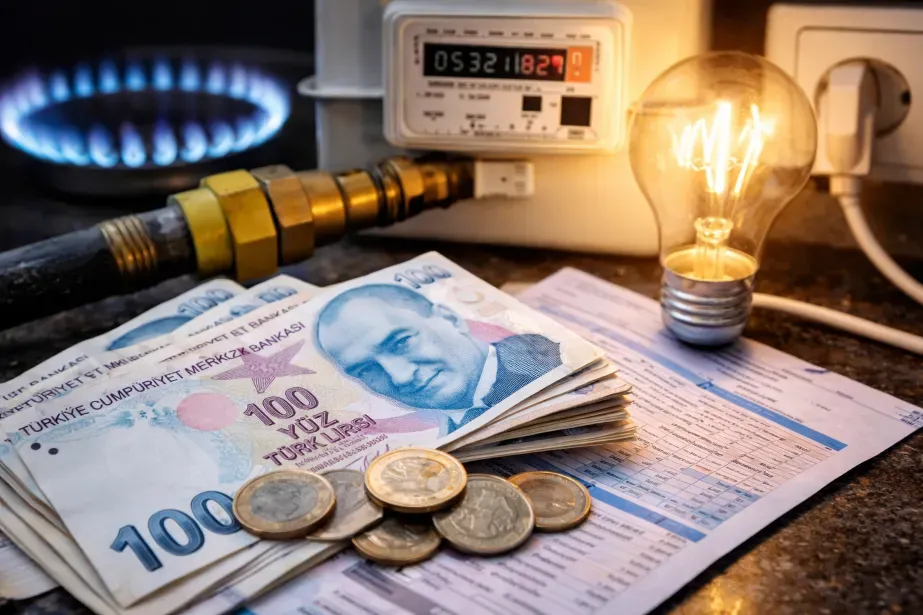
Turkey raised electricity and natural gas prices by up to 25%, signaling intensifying pressure on its energy system as higher global costs feed directly into the domestic economy.
The Energy Market Regulatory Authority said retail electricity tariffs increased by 25%, while natural gas prices for households were raised by a similar average rate. The adjustments reflect rising production and distribution costs across the energy sector.
Sector-specific increases highlight the breadth of the move. Natural gas prices rose 18.6% for industrial users and 19.4% for power generation, while electricity tariffs increased 17.5% for public and service sectors on low voltage, 5.85% for industrial users on medium voltage, and 24.8% for agricultural consumers.
As a result, the cost of household electricity consumption reached 323.8 lira per 100 kilowatt-hours, underscoring the direct pass-through of global energy inflation into consumer prices.
The move comes amid elevated oil and gas prices and ongoing supply disruptions linked to geopolitical tensions in the Middle East. For Turkey, which remains heavily dependent on imported energy, rising input costs translate quickly into pressure on the current account and domestic price levels.
EcoPulse24 Analysis
This price adjustment is not merely a regulatory update - it reflects a deeper transmission of external shocks into the core of the domestic economy. Energy costs are acting as a primary conduit through which global volatility is reshaping inflation dynamics, currency stability, and liquidity conditions.
The linkage between energy and reserves is critical. Higher import costs increase demand for foreign currency, tightening external liquidity and placing additional strain on reserve buffers. Recent central bank data already point to a contraction in both gold and foreign exchange reserves, suggesting that energy-driven pressures are feeding directly into balance sheet dynamics.
In this framework, energy pricing becomes part of a broader macro adjustment process. When external costs rise and reserves face pressure, governments are forced to shift part of the burden internally. The 25% increase in electricity and gas tariffs signals that this transition is already underway.
The implications extend beyond inflation. Higher energy costs raise production expenses across sectors, compress margins, and weaken purchasing power, creating a dual pressure on growth and price stability. This complicates policy trade-offs, particularly in an environment where monetary tightening and fiscal constraints are already in play.
More broadly, Turkey’s case illustrates how energy markets have become a central driver of macroeconomic stability. The interaction between energy imports, currency demand, and reserve management is increasingly defining the trajectory of emerging market economies.
In this context, the latest price hikes should be seen as part of a wider rebalancing process - one where external shocks are being internalized, and where the boundaries between energy policy, monetary stability, and sovereign balance sheet management are becoming increasingly blurred.
Sources & References
Editorial Note
Disclaimer
© 2025 EcoPulse24. All rights reserved.