U.S. Food Banks Brace for Surge in Demand Amid Federal Shutdown
US food banks warn of surging demand if federal shutdown halts SNAP benefits, risking food aid for millions and straining charity resources.
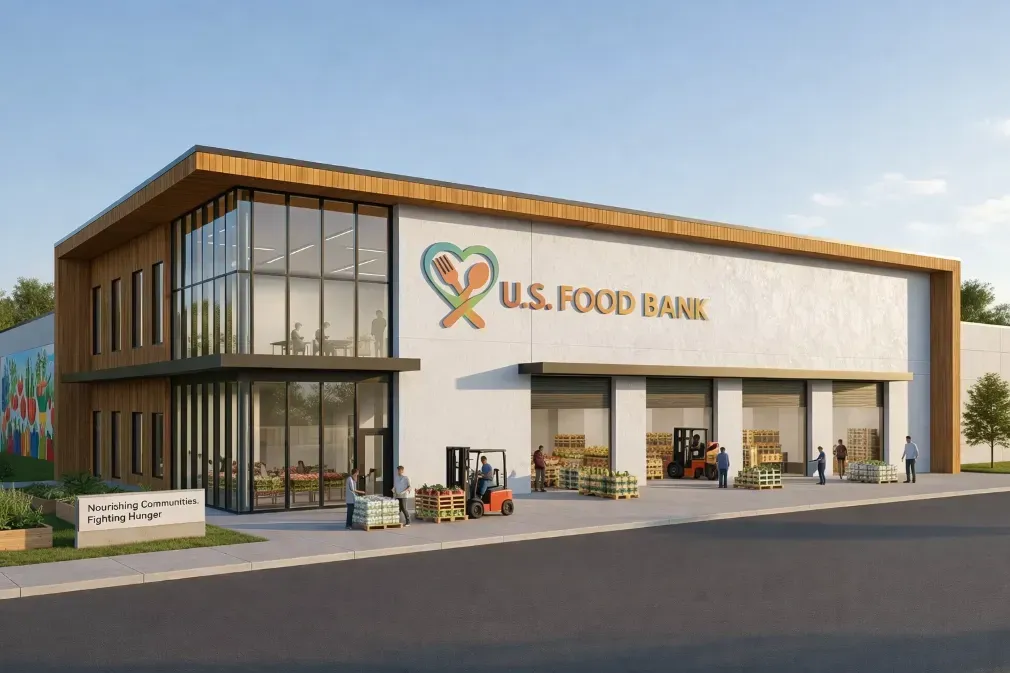
Food banks across the United States are warning of heightened demand if the federal government shutdown halts distribution of Supplemental Nutrition Assistance Program (SNAP) benefits next month, leaving millions without access to critical food aid. At Facing Hunger Food Bank in Huntington, West Virginia, CEO Cynthia Kirkhart explained why even basic supplies such as potato bags are being rationed.
The food bank, which also serves families in Kentucky and Ohio, has been forced to scale back portions as rising food costs and expanding need strain already fragile budgets. “If SNAP funds are cut off, people will simply have no resources,” Kirkhart said. “We are in real trouble.” Nearly 300,000 West Virginians could lose their November benefits.
National Scope of the Crisis Reuters spoke with leaders from nine food banks across eight states, all reporting that demand would become unmanageable without November’s SNAP disbursements. The shutdown - now the second longest in U.S. history - has left Congress unable to fund benefits that support over 41 million Americans.
Food insecurity has been on the rise for years, worsened by food inflation and the long-tail effects of the COVID-19 pandemic. According to Feeding America, the national food bank network, more than 50 million people relied on charitable food assistance in 2023, up from 40 million in 2019.
Policy and Political Tensions The Trump administration has already reduced federal funding for food banks and tightened eligibility for SNAP, potentially excluding more recipients.
The current shutdown has reignited partisan divisions: Senate Democrats blocked a spending bill, citing healthcare cost concerns, while Republicans accuse Democrats of prolonging the impasse. Meanwhile, the U.S. Department of Agriculture (USDA) confirmed that it will not draw on SNAP’s $5 billion emergency fund to cover November benefits, reserving the money for natural disasters and other crises.
That amount represents only 60% of one month’s program costs.
In response, some states have stepped in: California and New York announced direct funding for food banks, while Virginia declared a state of emergency to finance November SNAP payments.
Food Banks at Their Limits Charities stress they cannot replace government programs. Claire Neal, CEO of MANNA Food Bank in North Carolina, underscored the disparity: “For every meal we provide, SNAP delivers nine. We cannot make up the difference.
Private charity is no substitute for public support.” Food banks have ramped up fundraising, shortened operating hours, and reduced distributions to cope with surging demand.
But leaders warn their role has always been supplementary, not primary, and without federal action the hunger crisis could deepen sharply in the weeks ahead.
Sources & References
Editorial Note
Disclaimer
All rights reserved
Please review the Terms & Conditions.
© 2025 EcoPulse24.