UAE moves to double oil export capacity outside Hormuz by 2027
Abu Dhabi National Oil Co. is fast-tracking expansion of the pipeline connecting its inland oil fields to the port of Fujairah on the Gulf of Oman

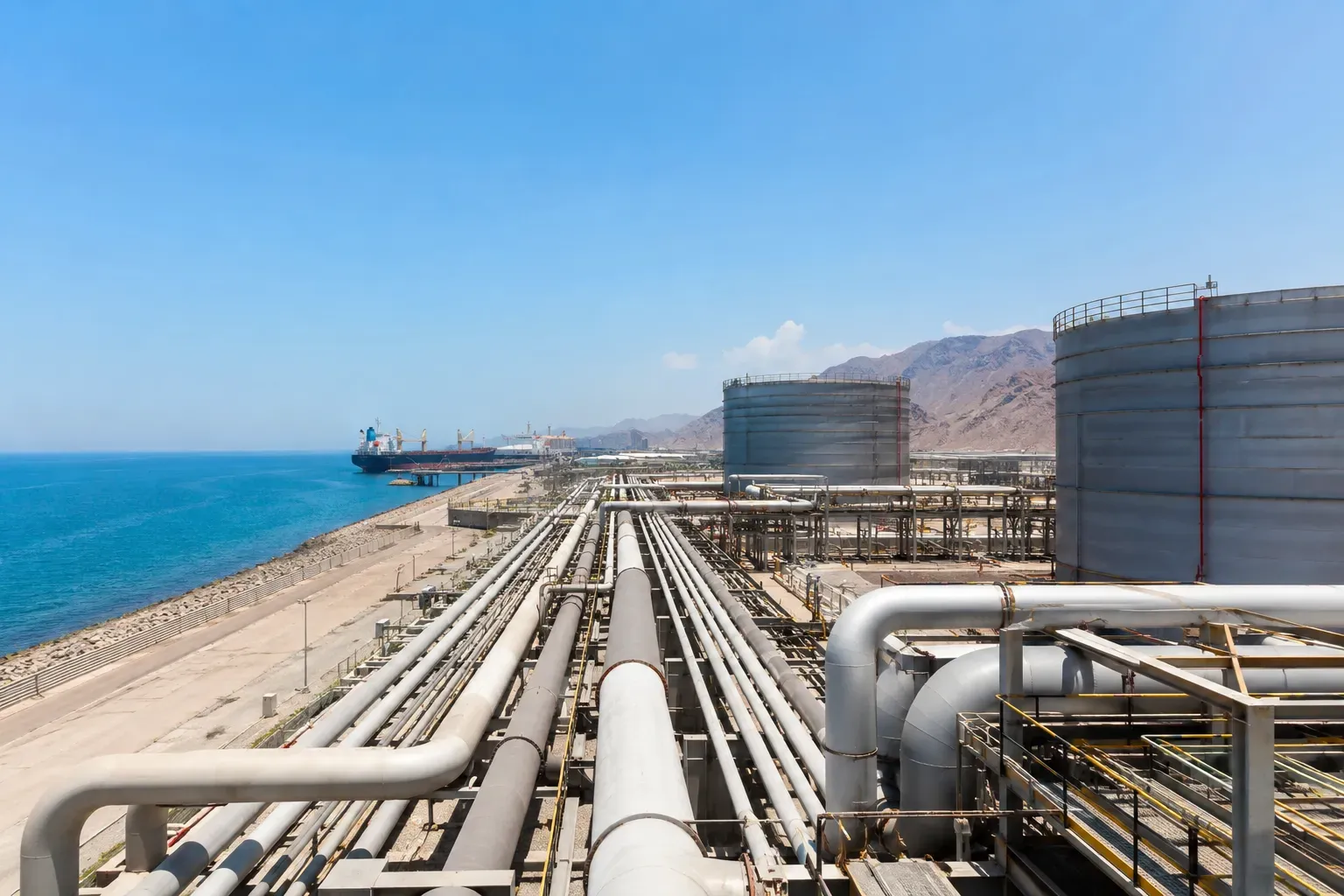
Abu Dhabi | EcoPulse24
Adnoc accelerates Fujairah pipeline expansion amid Gulf shipping risks
The United Arab Emirates is moving to double its crude oil export capacity bypassing the Strait of Hormuz by 2027, as Abu Dhabi accelerates efforts to reduce reliance on one of the world’s most geopolitically vulnerable energy chokepoints.
According to Bloomberg, Abu Dhabi National Oil Co. (Adnoc) is fast-tracking expansion of the pipeline connecting its inland oil fields to the port of Fujairah on the Gulf of Oman, allowing larger crude export volumes to reach global markets without transiting Hormuz.
The UAE already operates a 1.5 million barrel-per-day pipeline linking Habshan to Fujairah, a route that became strategically critical after regional conflict disrupted shipping flows through the Strait of Hormuz earlier this year.
However, the existing line carries less than half of Adnoc’s normal export capacity, prompting the UAE to accelerate expansion plans aimed at improving supply resilience and reducing geopolitical exposure tied to Gulf maritime routes.
Fujairah has become one of the Gulf’s most important strategic energy hubs because it offers direct access to the Arabian Sea and Indian Ocean outside Hormuz, enabling continued exports during periods of regional instability.
The expansion also comes as the UAE pursues higher oil production following its departure from OPEC, giving Abu Dhabi greater flexibility to respond to rising energy demand linked to war-driven supply disruptions.
Bloomberg reported that the UAE and Saudi Arabia remain the only major Gulf producers currently able to maintain significant oil exports during the ongoing regional crisis through alternative export routes and operational workarounds.
Parts of the infrastructure linked to the Fujairah export system have also faced attacks during the conflict, including damage near Habshan and disruptions affecting Fujairah port operations.
Fujairah Pipeline Expansion - Key Details
| Item | Details |
|---|---|
| Country | UAE |
| Operator | Adnoc |
| Route | Habshan to Fujairah |
| Current Capacity | 1.5 million bpd |
| Expansion Goal | Double capacity by 2027 |
| Strategic Purpose | Bypass Strait of Hormuz |
| Key Benefit | Export security resilience |
EcoPulse24 Analysis
The UAE’s decision to accelerate Fujairah pipeline expansion reflects a deeper structural shift in Gulf energy strategy: export security is becoming as important as production capacity itself.
For decades, Gulf oil infrastructure was built around the assumption that the Strait of Hormuz would remain operational even during periods of regional tension. The latest conflict has challenged that assumption directly.
By increasing export capacity outside Hormuz, Abu Dhabi is effectively redesigning part of the Gulf’s energy logistics map to reduce exposure to geopolitical disruption and maritime bottlenecks.
The strategic significance of Fujairah lies in geography. Its location outside the Strait gives the UAE one of the few large-scale alternative export corridors available in the region, particularly during military escalation scenarios.
The timing also matters because the UAE is simultaneously pursuing higher production ambitions after exiting OPEC restrictions. Expanded export infrastructure allows Abu Dhabi to monetize higher output more effectively even during unstable shipping conditions.
At a broader level, Gulf energy infrastructure is increasingly evolving into a national security asset class rather than merely a commercial export system. Pipeline redundancy, storage resilience and diversified shipping access are becoming central pillars of energy policy.
If completed as planned, the Fujairah expansion could significantly reshape Gulf crude export dynamics toward Asia over the coming decade, particularly for buyers prioritizing supply reliability during geopolitical instability.
Explore Related Coverage
Sources & References
Editorial Note
Disclaimer
© 2025 EcoPulse24. All rights reserved.