US Allows Iranian Tankers to Transit the Strait of Hormuz
US Treasury Secretary Bessent confirms Iranian oil tankers are transiting the Strait of Hormuz, pushing crude prices back toward $95 a barrel.

EcoPulse24 | Washington
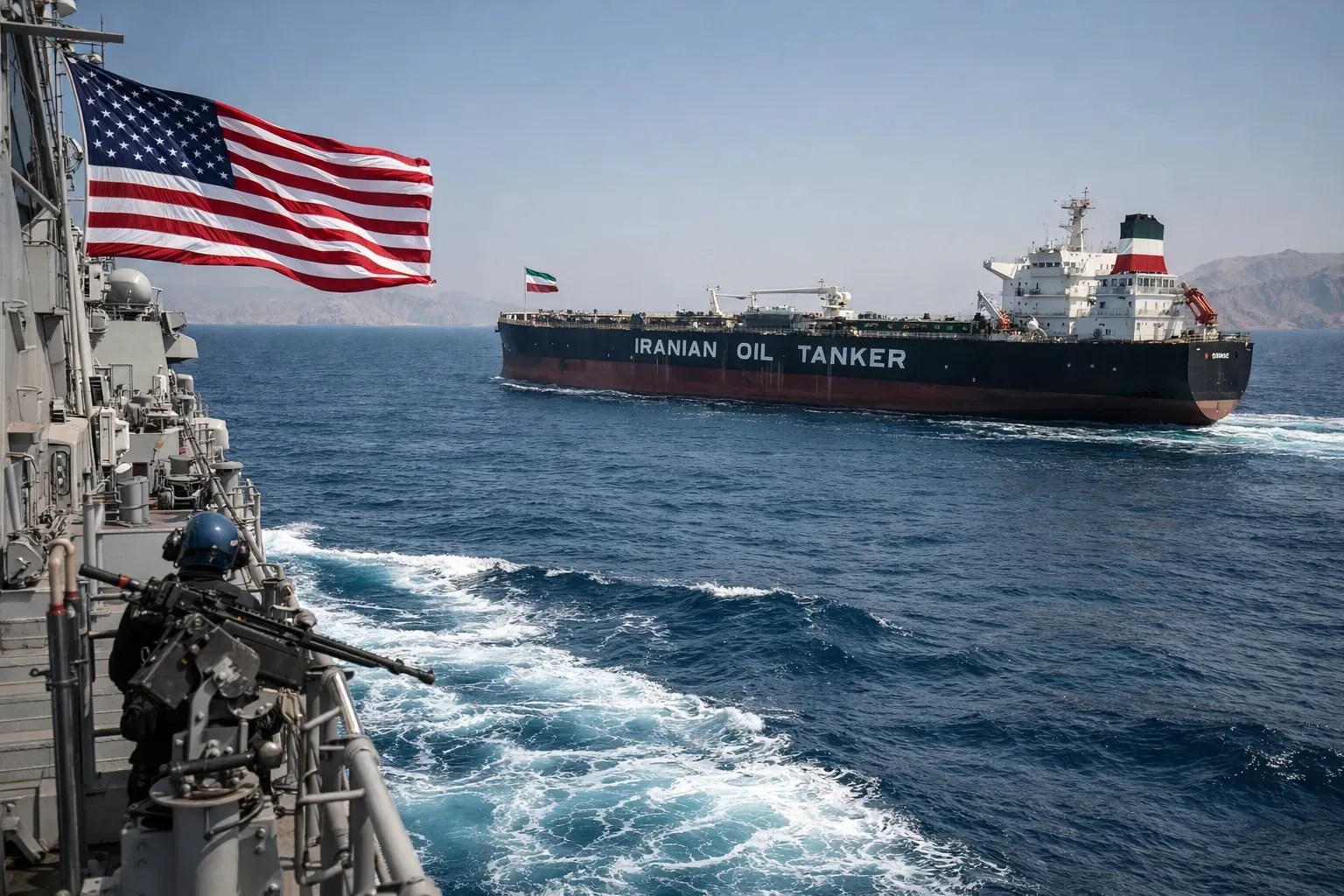
US Treasury Secretary Scott Bessent confirmed on Monday that Iranian oil tankers are being allowed to transit the Strait of Hormuz, easing global energy markets after oil prices had surged past $100 a barrel following the outbreak of the US-Israel-Iran conflict. West Texas Intermediate crude fell back toward $95 a barrel on the news, while Brent crude also retreated, offering significant relief to global financial markets on the seventeenth day of the conflict.
Bessent Confirms Tanker Transit
The development marks a significant moment in the ongoing conflict that began when US and Israeli forces launched coordinated strikes on Iranian nuclear and military infrastructure. While the Iranian government has not issued a formal statement on the tanker transit policy, the practical reality on the ground - confirmed by the US Treasury Secretary - signals that Tehran retains a degree of strategic flexibility in how it manages the Strait of Hormuz, despite the ongoing hostilities.
Trading Economics reported that selected tankers carrying liquefied petroleum gas crossed the Strait of Hormuz over the weekend, suggesting Iran may still allow some energy exports to allied countries, limiting fears of a complete and prolonged supply disruption. The news contributed to a broad global market recovery, with European and US equity indices bouncing back from recent lows.
Oil Market Impact
WTI crude, which had broken above $100 a barrel for the first time since 2022 in the initial days of the conflict, pulled back sharply on Monday following the Hormuz transit confirmation. Brent crude, the global benchmark, also retreated, although prices remain significantly elevated compared to pre-conflict levels given continued uncertainty about supply routes and the conflict's duration.
The International Energy Agency had previously coordinated a historic release of over 400 million barrels from member nations' strategic petroleum reserves to counter the supply shock. Countries including Canada (23.6 million barrels), Australia, the United States, and others had pledged specific volumes. The Hormuz transit news reduces the immediate urgency for further emergency reserve releases, though IEA officials have cautioned that the situation remains fluid and highly volatile.
Saudi Arabia had been accelerating crude exports through the Red Sea via its East-West Pipeline to bypass the Strait of Hormuz, with supertankers crowding near Yanbu port. These alternative routing efforts are expected to continue as Gulf producers look to ensure supply continuity through multiple channels regardless of Hormuz conditions.
Global Market Response
Global equity markets rebounded Monday on the Hormuz transit news. US stocks rose approximately 1%, with the S&P 500 and Nasdaq 100 recovering from near four-month lows. The Dow Jones Industrial Average gained around 500 points. European stocks added 0.6% to 0.7%, with financials and technology shares leading gains. Chip producers including Nvidia rose over 2% amid renewed optimism about AI implementation, while Commerzbank surged more than 7% after UniCredit launched a formal offer to raise its stake to above 30%.
Gold prices eased toward $5,000 per ounce on the Hormuz news, as reduced energy supply fears diminished some of the immediate inflation risk premium. Silver prices also fluctuated as energy market concerns partially moderated. The US dollar index declined approximately 0.44% against a basket of major currencies.
Diplomatic and Strategic Context
The US is simultaneously pressing other nations - including G7 members - to help form a multinational coalition to escort commercial shipping through the strategic waterway. President Trump has publicly called for the Strait to remain open, and his administration continues talks with regional allies about security guarantees for commercial shipping. Trump also warned that NATO faces a very bad future if it fails to assist the US in Iran.
The Federal Reserve is widely expected to maintain its restrictive policy stance at its meeting this week, as policymakers weigh persistent energy price inflation - driven by the Middle East conflict - against broader signs of economic slowdown. This cautious central bank posture adds a further layer of complexity for global investors navigating elevated commodity prices.
EcoPulse24 Analysis
EcoPulse24 Analysis: The Hormuz transit confirmation marks a tentative but significant de-escalation signal in the global energy market's most acute supply crisis since 2022. By allowing some tankers through, Iran appears to be calibrating its response to avoid triggering a full global energy shock - preserving geopolitical leverage while limiting economic pain on its allies and trading partners. For GCC producers and global energy markets, the pivotal variable remains whether this transit access holds stable or becomes conditional and intermittent. Gulf states, particularly Saudi Arabia and the UAE, have accelerated investment in alternative export routes, a strategic shift likely to persist regardless of how the conflict ultimately resolves. Investors should watch US-Iran diplomatic back-channel developments closely; any formal arrangement on Hormuz transit guarantees could trigger a sharp oil price correction that would significantly reshape budget calculations across GCC sovereign wealth funds and national oil companies.
Explore Related Coverage
Sources & References
Editorial Note
Disclaimer
© 2025 EcoPulse24. All rights reserved.