US Electricity Prices Rise 61% Faster Than Inflation as AI and Data Center Demand Strain Power Grids
US electricity prices rose 6.1% in April, 61% faster than inflation, driven by AI data center demand straining power grids.

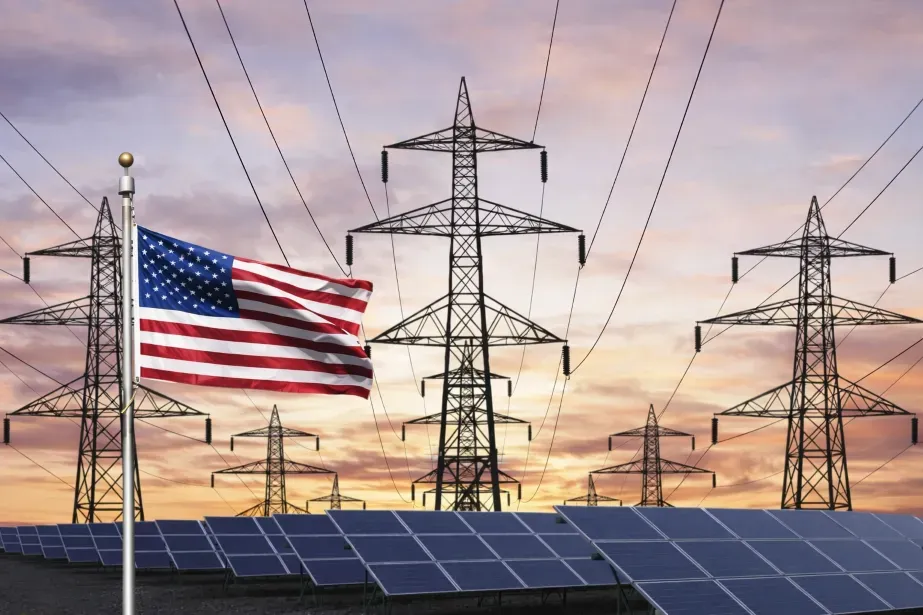
Washington | EcoPulse24
US electricity prices, inflation, AI, data centers, power grids, energy demand
Electricity prices in the United States rose significantly faster than overall inflation in April, highlighting mounting pressure on the country’s power infrastructure as demand from AI-driven data centers accelerates across the economy.
According to data released Tuesday by the US Bureau of Labor Statistics, electricity prices increased 6.1% year-on-year last month, compared with a 3.8% rise in the overall Consumer Price Index - the highest US inflation reading since May 2023.
The figures mean electricity prices are now rising roughly 61% faster than headline inflation, underscoring growing stress across US energy systems and utility markets.
AI and Data Centers Drive Power Demand Higher
The surge in electricity costs comes as the United States experiences a rapid expansion in power demand tied to artificial intelligence infrastructure, cloud computing and large-scale data centers.
That growth has intensified pressure on electricity grids and wholesale power markets, pushing utility costs higher and increasingly transferring those costs to households and businesses.
Utilities and grid operators are also facing mounting criticism from lawmakers and consumers over rising electricity bills, while regulators continue debating whether the current US grid model is capable of handling the next generation of energy demand growth.
Energy Affordability Becomes Political Issue
Concerns over electricity affordability are rapidly becoming a major political issue ahead of upcoming US midterm elections as consumer frustration over utility bills intensifies.
In response, several states have started reviewing utility pricing structures and regulatory frameworks.
The New Jersey Board of Public Utilities announced plans last week to evaluate alternative utility compensation models that reward affordability, efficiency and reliability rather than linking profits primarily to infrastructure investment spending.
The shift reflects growing political pressure to control consumer energy costs as inflation remains elevated across the broader economy.
Energy Markets Face New Inflation Risks
The electricity-price surge is unfolding alongside higher global oil and gas prices caused by the Iran war and disruptions around the Strait of Hormuz, adding another layer of complexity to the US inflation outlook.
Persistent increases in energy-related costs could complicate Federal Reserve policy decisions during the second half of 2026, particularly if higher utility prices begin feeding into broader services inflation.
Key Figures
| Metric | Value |
|---|---|
| US electricity price growth | 6.1% |
| US CPI inflation | 3.8% |
| Electricity growth vs inflation | +61% |
| Highest US CPI since | May 2023 |
EcoPulse24 Analysis
The sharp rise in US electricity prices shows that the global energy challenge is no longer limited to oil and gas markets alone.
Electricity infrastructure itself is increasingly becoming a critical economic bottleneck.
The explosive growth of AI infrastructure and hyperscale data centers is rapidly reshaping electricity consumption patterns across the United States, placing unprecedented strain on grids, utilities and generation capacity.
What makes the trend especially important is that electricity costs affect nearly every layer of the economy - from household budgets and manufacturing to cloud computing and digital services.
If AI-related power demand continues expanding at the current pace, the US may be forced to accelerate investment across:
-
electricity grids
-
natural gas generation
-
nuclear energy
-
renewable power
-
battery storage systems
That transition could significantly reshape global energy investment flows and infrastructure priorities over the next decade.
Explore Related Coverage
Sources & References
Editorial Note
Disclaimer
© 2025 EcoPulse24. All rights reserved.