Volkswagen Closes Dresden Plant for First Time in 88 Years
Volkswagen closes its Dresden plant after 88 years amid declining demand, cutting 35,000 jobs by 2030, and shifting to innovation.

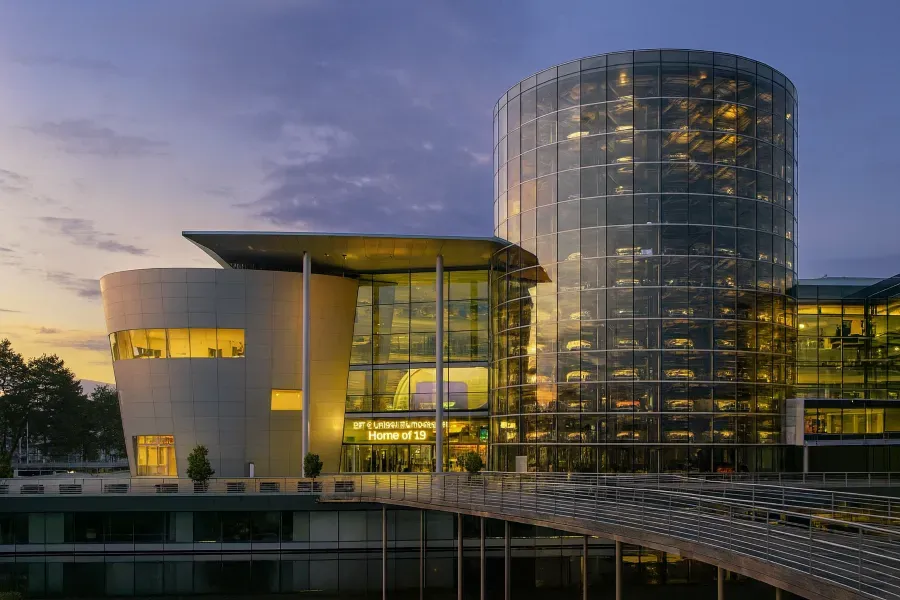
Volkswagen has officially ended production of its ID.3 electric vehicles at its renowned 'Transparent Factory' in Dresden, which previously produced up to 37,500 vehicles annually with a workforce of 340 employees. The closure is part of the 'Christmas Peace' agreement reached with the IG Metall union on December 20, 2024, after 70 hours of marathon negotiations, marking the longest in the company's 87-year history. This shutdown comes amid decreasing car demand in Europe and a drop in Volkswagen's market share in China from 4 million cars in 2017 to a projected 2.5 million in 2024. The agreement includes cutting 35,000 jobs in Germany by 2030 through early retirement and voluntary resignation programs, along with reducing production capacity by 730,000 vehicles annually, without immediate factory closures or mandatory layoffs until 2030. Despite successfully avoiding immediate plant closures, workers accepted painful concessions, such as freezing annual pay increases and forgoing bonuses, in exchange for maintaining basic monthly salaries and job security until 2030. The negotiations saw the largest strike in Volkswagen's history, with 100,000 workers protesting against the company's initial plans to close three plants and reduce wages by 10%. Volkswagen, the world's second-largest car manufacturer, faces increasing pressure from Chinese electric vehicle companies like BYD and NIO, which offer electric cars at prices 30-50% lower. The company is also grappling with rising energy and labor costs in Germany, where its factories have become 25-50% more expensive than competitors. Additionally, the 15% U.S. tariffs on European cars and European tariffs on Chinese electric vehicles have created further pressure on the company's operations. Volkswagen plans to transform the Dresden plant into an 'innovation incubator' in partnership with the Technical University of Dresden, specializing in artificial intelligence, microelectronics, chip design, materials science, robotics, and circular economy technologies. The company will retain 155 employees at the site, instead of the 135 initially planned, offering a relocation bonus of €30,000 ($35,000) for workers willing to move to the headquarters in Wolfsburg, 300 kilometers away, although the announcement was met with boos from attendees. Production of the Golf model will be moved from Wolfsburg to Puebla, Mexico, starting in 2027, and the production lines in Wolfsburg will be reduced from four to just two. The agreement aims to save €15 billion annually in the medium term, including €1.5 billion from wages, to counteract declining sales, which equates to a loss of 500,000 vehicles per year or the output of two full plants. The Osnabrück plant will produce T-Roc Cabrio vehicles until mid-2027, with alternative uses being sought thereafter, including the possibility of sale to potential investors. Reports indicate interest from Chinese car manufacturers in purchasing Volkswagen's surplus plants in Germany to circumvent the European tariffs imposed on Chinese electric vehicles, but no official deals have been announced yet.
Sources & References
Editorial Note
Disclaimer
© 2025 EcoPulse24. All rights reserved.