Wealthy Chinese Investors Pivot from Singapore to Dubai’s Golden Promise Dubai
Wealthy Chinese investors are shifting from Singapore to Dubai for easier residency, lower taxes, and a more flexible financial environment.
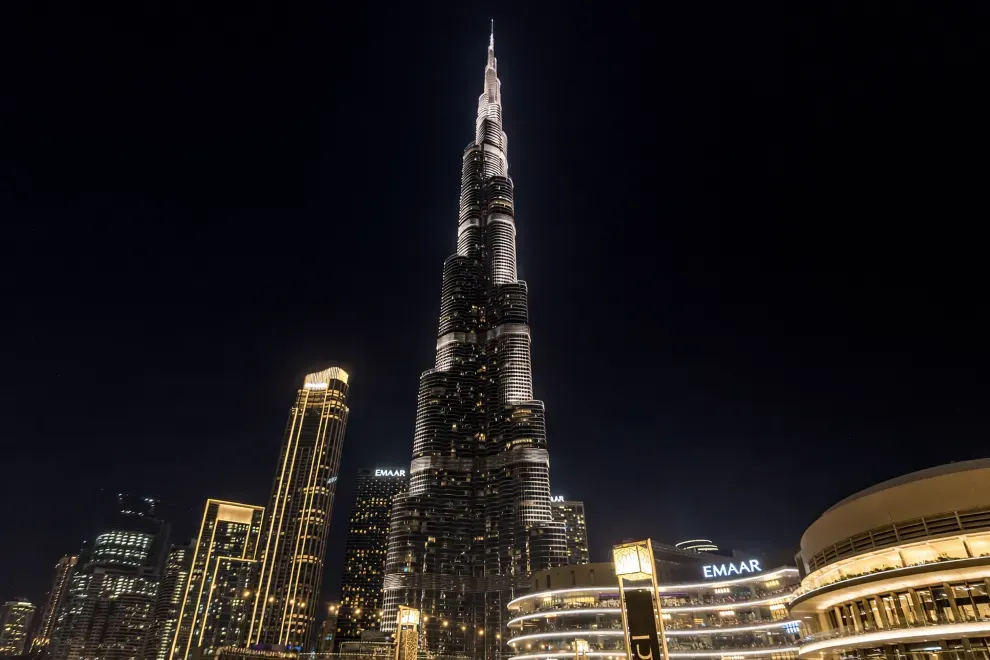
According to a report by the Financial Times, published earlier today, A growing number of wealthy Chinese investors and family offices are shifting their focus away from Singapore and turning toward Dubai and Abu Dhabi, attracted by the Gulf’s residency advantages, lower taxes, and more flexible financial climate.
The report, co-written by Owen Walker in Singapore and Chloe Cornish in Dubai, reveals a clear trend: the Gulf is fast becoming Asia’s new wealth magnet. Private bankers and global wealth advisers say Chinese entrepreneurs - frustrated with Singapore’s increasingly strict immigration and regulatory environment - are finding in the UAE a smoother path to both residency and business stability.
From Singapore’s Tight Controls to Dubai’s Open Doors
Financial advisers told the Financial Times that applications from Chinese nationals to establish family offices in Dubai and Abu Dhabi have surged sharply over the past year.
“Many are drawn by the ability to gain long-term residency and live in a stable, business-friendly environment,” said Mike Tan, Standard Chartered’s global head of wealth planning and family advisory.
The UAE’s Golden Visa, which offers 10-year residency for investors, family members, and highly skilled professionals, remains one of the region’s strongest pull factors.
Government data shows that nearly 80,000 Golden Visas were issued in 2022, a steep rise from 47,000 the year before - proof that the Gulf’s openness continues to appeal to global high-net-worth individuals.
Dubai’s Family-Office Boom
Official figures cited by the FT show that Dubai’s financial free zone now hosts more than 1,000 family-related entities, up from 800 in 2024 and just 600 in 2023.
Advisers believe much of that increase stems from Chinese wealth migration, with investors managing assets between US$50 million and US$200 million.
“There’s now a shortage of Chinese-speaking financial professionals in the UAE,” said Prashant Tandon of Lighthouse Canton, reflecting the speed of the shift.
Many Chinese families, the FT reports, have even sold property holdings in Singapore to reinvest in the Emirates’ booming real-estate and private-equity sectors.
Crypto and Digital Wealth Flow East-to-West
The trend isn’t limited to traditional investment. Financial Times also notes that crypto and digital-asset entrepreneurs from China are increasingly choosing Dubai over Singapore.
The emirate’s regulatory body, VARA (Virtual Assets Regulatory Authority), has already licensed 39 cryptocurrency companies, compared to Singapore’s 36, as the city-state tightens oversight and curbs riskier ventures.
“Clients are increasingly moving toward the Middle East,” said Kevin Teng, CEO of Wrise Private Singapore. “Singapore is becoming more risk-averse, while Dubai is offering flexibility and innovation.”
Ecopulse24 Analysis: The New Axis of Global Wealth
Dubai’s rise as a global wealth hub is no longer theoretical - it’s measurable. The combination of stable taxation, lifestyle appeal, and accessible residency has turned the Gulf into a credible rival to Singapore for managing Asian and cross-border wealth.
For China’s new generation of multimillionaires - especially those pressured by mainland restrictions or seeking portfolio diversification - Dubai offers what Singapore once did: access, agility, and anonymity.
And with the UAE, Saudi Arabia, and Qatar all rolling out ambitious reforms to attract private capital, the Gulf is emerging as Asia’s alternative financial frontier.
Adapted from a Financial Times report. Financial Times © 2025. Read the full report on Financial Times.
Sources & References
Editorial Note
Disclaimer
All rights reserved
Please review the Terms & Conditions.
© 2025 EcoPulse24.