TAQA Shareholders Elect New Board and Approve AED 2.20 Fils Dividend
Abu Dhabi National Energy Company TAQA confirmed a new board of directors and approved a final cash dividend of 2.20 fils per share at its AGM.

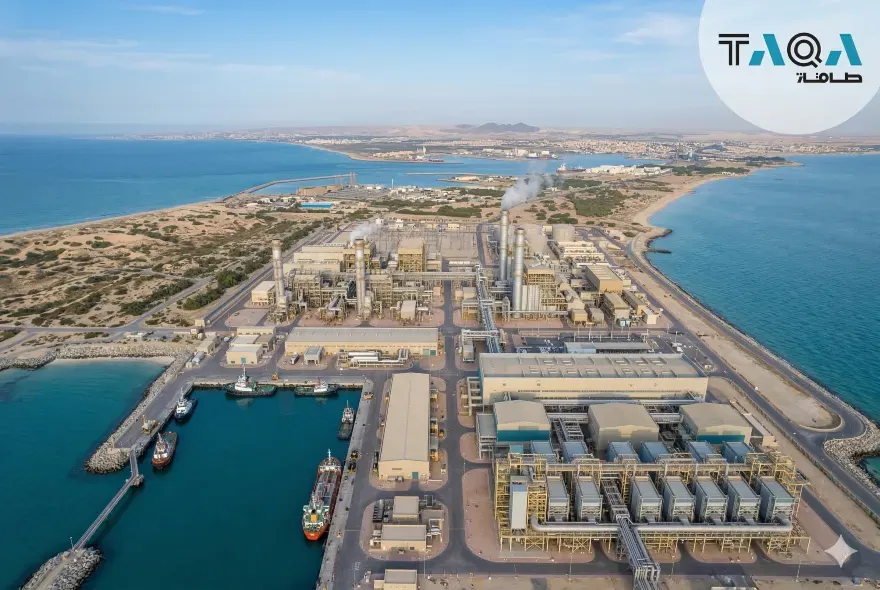
EcoPulse24 | Abu Dhabi
Abu Dhabi National Energy Company (TAQA) announced that its shareholders have confirmed the composition of its new Board of Directors at the company's Annual General Assembly, while simultaneously approving a final cash dividend of 2.20 fils per share for the fiscal year. The assembly, held in Abu Dhabi, reflects the company's continued commitment to shareholder returns even as the regional environment remains turbulent amid the ongoing Iran conflict.
New Board Composition and Governance
The confirmation of TAQA's new Board of Directors marks a significant corporate governance milestone for one of Abu Dhabi's most strategic energy conglomerates. TAQA, which operates across power generation, water desalination, oil and gas exploration, and transmission infrastructure, relies on strong board leadership to navigate the complex interplay of regional energy markets and international investment commitments. The new board is expected to steer the company through the current environment of elevated oil prices and logistical disruptions linked to the Strait of Hormuz closure.
Dividend Signal of Financial Resilience
The approval of a 2.20 fils per share final cash dividend is a significant signal of financial health, coming at a time when many industrial companies in the GCC are reducing output and deferring capital expenditures due to the Hormuz blockade. TAQA's ability to sustain its dividend payout underscores its robust earnings profile, supported by regulated revenue streams from its domestic power and water operations, which are largely insulated from direct maritime trade disruptions.
TAQA's Strategic Footprint
As one of the largest utilities in the MENA region, TAQA has diversified its operations across multiple continents. The company manages significant power generation assets in the UAE - including the Shuweihat and Ruwais plants - as well as international operations in the United Kingdom, the Netherlands, Morocco, India, and the United States. Its oil and gas business spans assets in the UAE, the Netherlands, the United Kingdom, Canada, and Iraq, providing a geographically diversified earnings base that reduces single-market exposure.
Context: GCC Energy Sector Under Pressure
The TAQA AGM comes as GCC energy companies navigate a paradox: while rising crude oil prices nominally boost revenues, the Hormuz closure and disrupted logistics create operational headwinds for companies dependent on imports of equipment, chemicals, and fuel feedstock. GCC crude oil production reportedly fell 5.4% in February 2026, and Bahrain's Alba smelter cut output by 19% due to the same constraints. TAQA's relatively insulated business model - drawing primarily on domestic regulated tariffs and international upstream operations - positions it favorably compared to export-dependent industrial peers.
Investor Implications
For investors tracking Abu Dhabi's capital markets, TAQA's dividend confirmation at a time of regional crisis sends a positive signal. The Abu Dhabi Securities Exchange (ADX) has been under pressure in recent weeks, with the broader index declining over 1.6% on Monday amid heightened geopolitical risk. Against this backdrop, dividend-paying utilities with predictable cash flows tend to attract defensive capital inflows, offering a degree of stability in volatile markets.
EcoPulse24 Analysis
EcoPulse24 Analysis: TAQA's board renewal and dividend confirmation illustrate the resilience of Abu Dhabi's regulated utility model under crisis conditions. Unlike export-oriented industrials, TAQA benefits from long-term power purchase agreements that guarantee revenue visibility regardless of short-term market disruptions. However, investors should monitor whether the company's international upstream portfolio faces logistics or offtake challenges from the evolving conflict. The strategic question going forward is whether TAQA will accelerate its clean energy transition investments - a key pillar of its long-term strategy - or pause them until regional clarity improves.
Sources & References
Editorial Note
Disclaimer
© 2025 EcoPulse24. All rights reserved.