US-Iran Negotiations Move Closer to Hormuz Breakthrough as Markets Brace for Major Energy Repricing
US Secretary of State Marco Rubio said Sunday that “some progress has been made” in negotiations with Iran and suggested “good news”

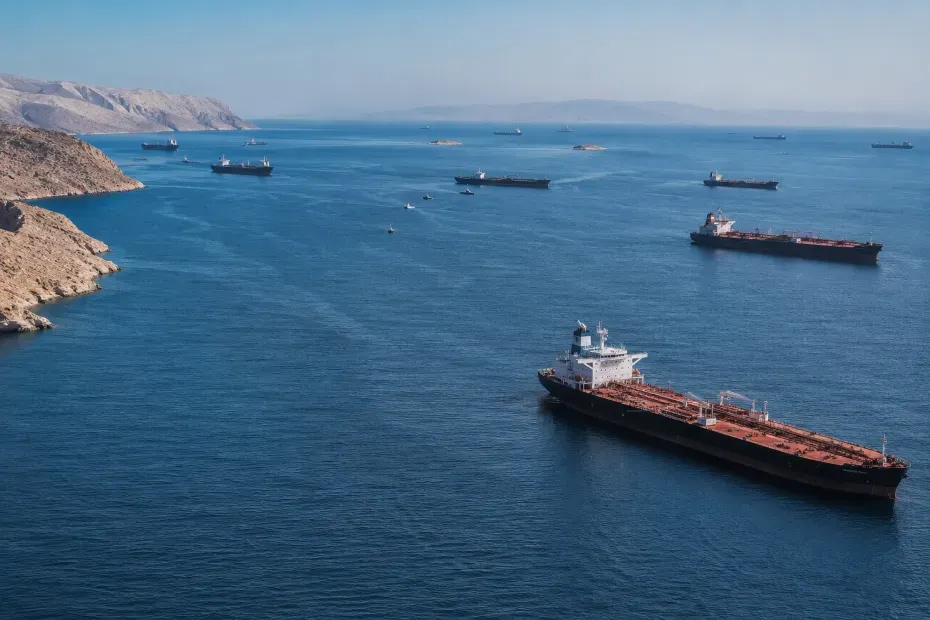
Dubai | EcoPulse24
Global markets are entering a critical geopolitical and economic phase after senior US and Iranian officials signaled that negotiations surrounding the Strait of Hormuz may be approaching a breakthrough agreement capable of reshaping oil flows, inflation expectations, shipping costs, and investor positioning across global asset classes.
US Secretary of State Marco Rubio said Sunday that “some progress has been made” in negotiations with Iran and suggested “good news” regarding the Strait of Hormuz could emerge within hours, while President Donald Trump separately stated that a peace agreement had been “largely negotiated” pending finalization between Washington, Tehran, and regional partners.
The negotiations revolve around a broader framework involving:
-
extending the current ceasefire
-
reopening the Strait of Hormuz
-
reducing regional military escalation
-
future negotiations on Iran’s nuclear program
-
partial sanctions arrangements
-
management of maritime traffic through the Gulf
However, major disagreements remain unresolved, particularly surrounding Iran’s uranium program, sanctions relief, frozen Iranian assets, and Tehran’s insistence on maintaining authority over Hormuz shipping administration.
Markets begin pricing a possible de-escalation scenario
The developments are becoming increasingly important for global financial markets because the Strait of Hormuz remains the single most critical energy chokepoint in the world, carrying roughly one-fifth of global oil and liquefied natural gas flows.
Since the conflict escalated earlier this year, energy markets have experienced:
-
oil prices above $100
-
shipping disruptions
-
insurance cost spikes
-
inflation concerns
-
pressure on emerging markets
-
volatility across currencies and equities
A credible reopening framework could therefore trigger one of the largest macro repricing events of 2026.
Even before any official agreement, investors have already started adjusting expectations around:
-
future oil prices
-
inflation trajectories
-
Federal Reserve policy
-
GCC fiscal balances
-
airline and logistics costs
-
shipping normalization
-
risk appetite across global equities
Oil markets remain trapped between risk premium and diplomacy
Brent crude has remained above $100 per barrel largely because markets continue embedding a geopolitical risk premium tied directly to Hormuz disruptions.
A successful diplomatic framework could rapidly compress part of that premium.
However, the situation remains highly fragile.
Iranian media have publicly pushed back against Trump’s claims of an imminent agreement, while officials in Tehran continue insisting that:
-
uranium enrichment rights remain non-negotiable
-
frozen assets must be released
-
sanctions relief remains essential
-
Hormuz administration must stay under Iranian authority
This means markets are currently trading between:
-
a potential energy de-escalation scenario
and -
the risk of renewed military escalation if negotiations fail
How the deal could affect global markets
Oil and Energy Markets:
A successful Hormuz reopening could reduce immediate supply fears and potentially pressure crude prices lower from current elevated levels. However, any agreement allowing Iranian oil exports to normalize could also reshape OPEC+ dynamics and regional energy competition.
US Equities:
Wall Street would likely react positively to easing energy inflation risks, particularly:
-
technology stocks
-
consumer sectors
-
transportation
-
airlines
-
industrials
Lower oil volatility would also reduce pressure on Federal Reserve policy expectations.
GCC Markets:
Gulf equities may initially react positively to reduced geopolitical risk, especially:
-
logistics
-
aviation
-
banking
-
real estate
-
consumer sectors
However, a sustained decline in oil prices could later moderate fiscal tailwinds supporting regional liquidity.
Currencies and Bonds:
Emerging-market assets and global bonds could stabilize if markets conclude that inflation risks tied to energy supply disruptions are easing.
Gold and Defensive Assets:
Gold may lose part of its geopolitical support premium if tensions continue de-escalating, particularly if oil prices begin retreating materially.
Shipping and Global Trade:
The reopening of Hormuz without toll systems or restrictions would represent a major relief for:
-
shipping companies
-
insurers
-
Asian importers
-
European energy buyers
-
global supply chains
Regional diplomacy reshapes the negotiations
The negotiations also highlight the increasingly important role played by Gulf and regional powers in stabilizing the conflict.
According to the reports, countries including:
-
Saudi Arabia
-
UAE
-
Qatar
-
Turkey
-
Pakistan
-
Egypt
have all participated in diplomatic efforts aimed at extending the ceasefire and building a broader regional framework capable of preventing further escalation.
That regional involvement is becoming economically important because Gulf states themselves remain directly exposed to:
-
shipping flows
-
energy exports
-
investor confidence
-
aviation routes
-
tourism
-
sovereign financing conditions
EcoPulse24 Analysis
The current negotiations may represent one of the most economically consequential geopolitical moments of 2026 because the outcome directly affects the global inflation cycle, energy pricing, monetary policy expectations, and financial-market risk appetite simultaneously.
The Strait of Hormuz is no longer simply a geopolitical flashpoint. It has effectively become one of the world’s most important macroeconomic variables.
For months, markets have priced a structural fear that:
-
oil flows could remain disrupted
-
inflation could reaccelerate
-
central banks might stay restrictive longer
-
global growth could weaken
A credible diplomatic breakthrough would therefore not only reopen a shipping corridor - it could fundamentally alter the global macro narrative that has dominated markets since the conflict began.
At the same time, investors should recognize that the negotiations remain highly unstable.
The unresolved disputes surrounding:
-
sanctions
-
uranium enrichment
-
frozen Iranian assets
-
maritime authority
-
Israeli security concerns
mean any agreement could still face political resistance or implementation risks.
Perhaps most importantly, the negotiations reveal how closely interconnected today’s global markets have become. A single geopolitical corridor in the Gulf is now capable of influencing:
-
oil prices
-
inflation expectations
-
central-bank policy
-
AI equity valuations
-
shipping costs
-
sovereign liquidity
-
consumer sentiment
-
emerging-market stability
That interconnection explains why markets worldwide are watching Hormuz negotiations not merely as a regional conflict, but as a defining macroeconomic event capable of reshaping the second half of 2026.
Sources & References
Editorial Note
Disclaimer
© 2025 EcoPulse24. All rights reserved.