Aluminum hits over 4-year high as supply disruptions outweigh demand concerns amid energy crisis
Aluminum prices hit a 4-year high due to Gulf supply disruptions and energy crisis, outweighing weak global demand concerns.

London | EcoPulse24
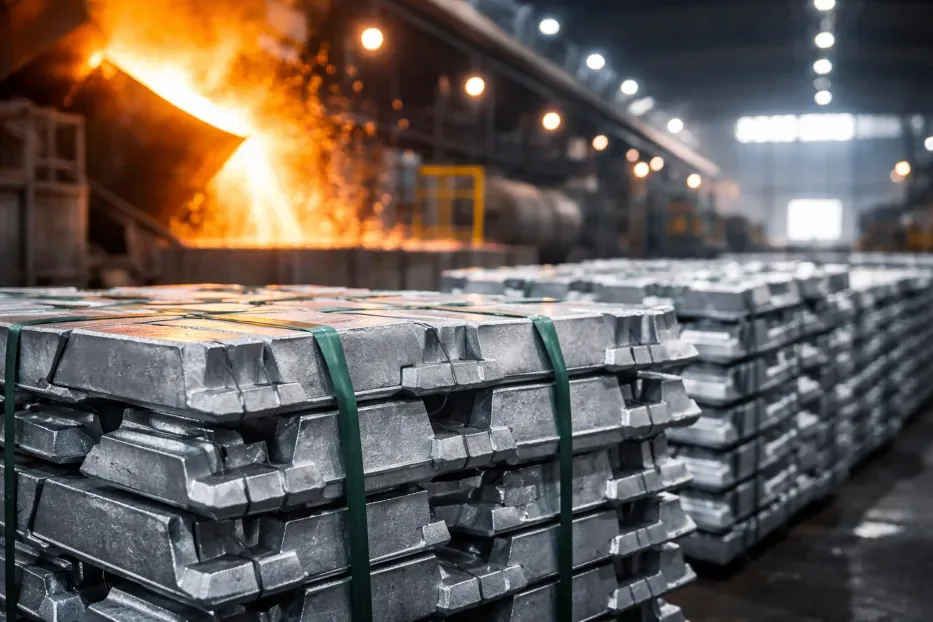
Aluminum prices surged to their highest level in more than four years, climbing to around $3,560 per tonne in April, as supply disruptions linked to Middle East tensions offset broader concerns about weakening global demand.
The rally comes despite a generally cautious outlook for industrial metals, where rising energy costs and slowing economic growth are expected to weigh on consumption. However, aluminum has diverged from this trend due to tightening physical supply conditions.
The Gulf region, which accounts for roughly 9% of global primary aluminum production, has seen significant disruptions following the effective closure of the Strait of Hormuz in late February. Shipping constraints and logistical bottlenecks have reduced the flow of metal to global markets, tightening availability.
The situation has been further exacerbated by direct impacts on production capacity, including reported attacks on regional smelters and the suspension of operations at Emirates Global Aluminium’s Al Taweelah facility, one of the largest aluminum production sites in the region.
Market stress is also evident in the structure of futures pricing, with backwardation widening on the London Metal Exchange, signaling immediate supply tightness as near-term contracts trade at a premium to longer-dated ones.
EcoPulse24 Analysis
Aluminum’s price surge reflects a critical shift in market dynamics, where supply-side disruptions are overriding traditional demand-driven pricing signals.
Unlike other industrial metals that are increasingly sensitive to global growth expectations, aluminum is being driven by physical availability constraints, particularly in energy-intensive production hubs. The Gulf’s role as a key supplier makes any disruption in the region disproportionately impactful on global balances.
The linkage to energy markets is also significant. Aluminum production is highly energy-intensive, meaning that rising energy costs not only disrupt logistics but also threaten production economics, further tightening supply.
This creates a dual pressure mechanism: reduced output and constrained transportation, both reinforcing higher prices.
If disruptions persist, aluminum could remain structurally elevated even in a weaker demand environment, highlighting how geopolitical risk is reshaping commodity pricing beyond oil and gas into broader industrial inputs.
Explore Related Coverage
Sources & References
Editorial Note
Disclaimer
© 2025 EcoPulse24. All rights reserved.