China Set to See Solar Power Surpass Coal in Electricity Generation by 2026
China's solar power will surpass coal in electricity generation capacity by 2026, marking a major shift toward renewables.

Beijing | EcoPulse24
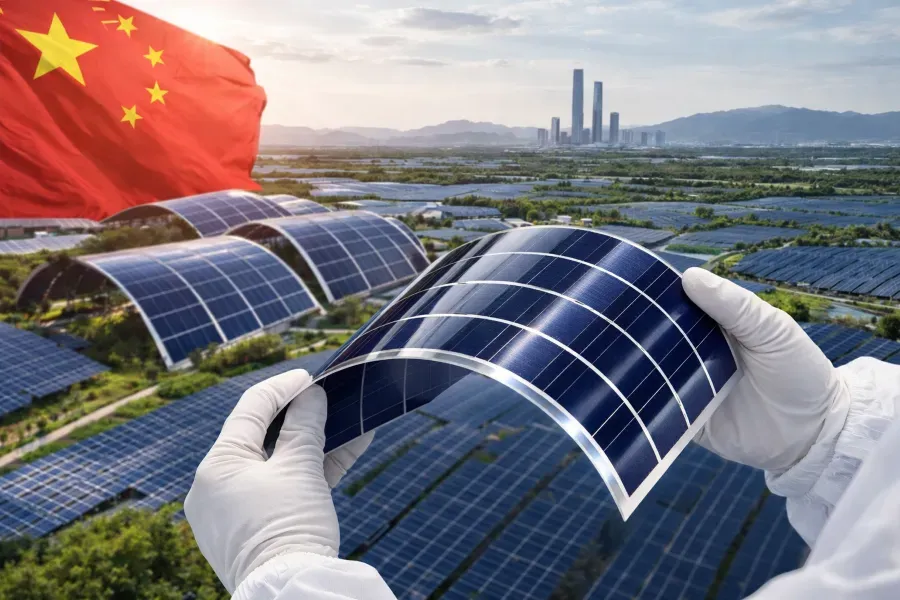
China is approaching a historic turning point in its energy sector in 2026, as solar power generation capacity is expected to surpass coal for the first time. This marks a clear acceleration in reshaping the energy mix of the world's largest electricity consumer, as part of a long-term strategy to build a cleaner and more diverse energy system.
According to estimates from the China Electricity Council, the country's top industry body, China is set to secure about half of its total installed electricity capacity from renewable sources - particularly solar and wind - by the end of this year. In contrast, coal's share is expected to drop to about one-third, even as new coal projects continue.
Projections show coal capacity will reach approximately 1,333 GW by the end of 2026, while solar finished 2025 at 1,200 GW, having grown by an average of 270 GW annually over the last three years, according to the National Energy Administration. This upward trajectory positions solar to overtake coal in installed capacity during 2026.
Simultaneously, total new power generation capacity additions from all sources are expected to exceed 400 GW in 2026, keeping pace with rising electricity demand. This rapid infrastructure expansion has helped China avoid widespread blackouts like those seen in 2021 and 2022 - problems that still affect some regions in the US and Europe.
The majority of new capacity will come from renewables, led by solar and wind, which are projected to contribute about 300 GW of the increase. Although this is a substantial figure globally, it marks a slowdown from last year, when solar alone added 315 GW in new capacity.
This relative slowdown is linked to regulatory and legislative changes introduced last year, as Beijing shifted renewable energy projects toward more market-based pricing. This move is expected to reduce returns from new projects, putting pressure on the pace of future expansion despite ongoing structural support for the energy transition.
At the same time, the Chinese government has intensified electricity market reforms and increased competition among energy sources, contributing to lower electricity prices. Beijing also raised investment in power grids to record levels last year, aiming to address transmission bottlenecks and accommodate the growing flow of renewable energy.
This shift in the energy mix demonstrates China's ability to execute large-scale expansion of low-carbon infrastructure, backed by some of the world's lowest electricity costs - on a scale more than double that of the United States.
EcoPulse24 Analysis:
Solar surpassing coal in installed capacity is a strategic shift in China’s energy model, reflecting economic, environmental, and energy security imperatives. While coal remains important for stability, its shrinking share signals China’s bet on renewables as a long-term base. The next challenge lies not just in building capacity, but in managing grids, pricing, and competitiveness to ensure the sustainability of this transition without undermining growth momentum or supply stability.
Explore Related Coverage
Sources & References
Editorial Note
Disclaimer
© 2025 EcoPulse24. All rights reserved.