Egypt’s PMI Drops to 48.9 as Inflationary Pressures Mount and Commodity Prices Rise
Egypt's PMI fell to 48.9 in Feb 2026, signaling contraction as inflation and rising commodity prices squeeze business margins.

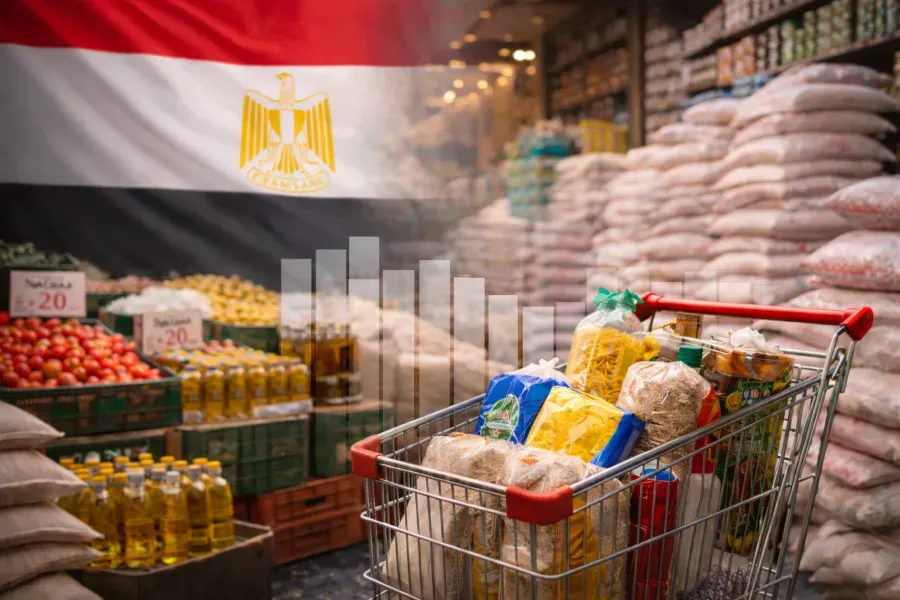
Cairo | EcoPulse24
Activity in Egypt’s non-oil private sector declined to its lowest level in five months, with the S&P Global Purchasing Managers’ Index (PMI) falling to 48.9 in February 2026 from 49.8 in January. This marks the second straight month in contraction territory and the fastest rate of decline since September 2025. A PMI reading below 50 points indicates contraction in business activity.
All five main components of the index pointed to deteriorating business conditions. New orders continued to decrease, and output fell, ending a three-month expansion streak, reflecting weak operational momentum among companies.
On the employment front, firms reduced staffing for the third consecutive month and cut back on purchases of production inputs amid declining demand and higher costs. Supplier delivery times remained relatively stable, suggesting that current pressures are driven more by weak demand and rising prices than by severe logistical bottlenecks.
Inflationary pressures were a prominent feature of the survey, as input prices rose at the fastest pace since May 2025, driven by higher global commodity prices, particularly oil and metals. This increased import costs. In contrast, selling prices increased only slightly, indicating limited ability for firms to pass costs on to consumers, which could squeeze profit margins.
The survey also showed that business expectations for future output remained cautious, given an external environment marked by high energy and commodity prices and global market volatility.
EcoPulse24 Analysis:
The PMI decline reflects the Egyptian economy’s sensitivity to rising global commodity prices, particularly in an environment with elevated import costs. Ongoing input pressures and limited capacity to raise selling prices are squeezing corporate margins and heightening the fragility of recovery. Near-term prospects will depend on global energy price trends and the ability of local demand to regain momentum amid relatively tight monetary and fiscal conditions.
Explore Related Coverage
Sources & References
Editorial Note
Disclaimer
© 2025 EcoPulse24. All rights reserved.