Fed Holds Rates Steady as Officials Split Over Potential Hikes and Raise Inflation Forecasts
The Federal Reserve kept rates unchanged, but new projections showed officials divided over further hikes and expecting higher inflation through 2027.

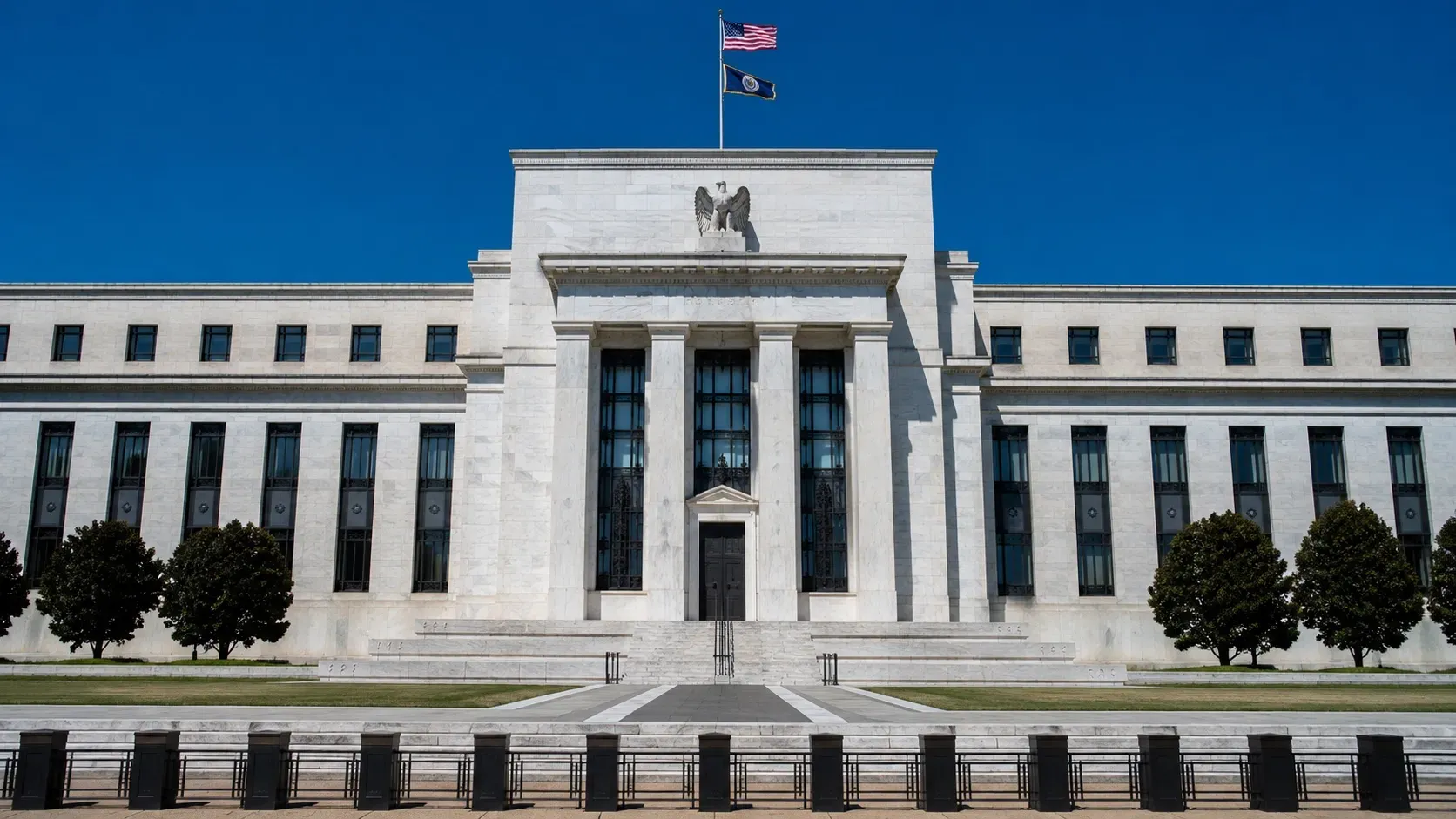
Washington | EcoPulse24
The Federal Reserve kept its benchmark interest rate unchanged at 3.50%-3.75% at its June meeting, marking the first policy decision under Chair Kevin Warsh, but new economic projections revealed a central bank increasingly concerned about persistent inflation and divided over the future path of monetary policy.
Updated projections showed that nine Federal Open Market Committee (FOMC) members now expect at least one additional interest rate increase this year, underscoring a more hawkish stance despite the recent decline in oil prices and easing geopolitical tensions.
The decision to hold rates steady was approved unanimously.
Fed Officials Turn More Cautious on Inflation
The Federal Reserve significantly upgraded its inflation outlook, signaling growing concern that price pressures may prove more persistent than previously anticipated.
Officials now expect core Personal Consumption Expenditures (Core PCE) inflation to reach 3.3% in 2026, substantially above the 2.7% projected in March.
The revised forecast also implies virtually no further disinflation from current levels, as the latest Core PCE reading already stands at 3.3%.
For 2027, policymakers now project Core PCE inflation of 2.5%, up from 2.2% previously.
The revisions suggest that while inflation has moderated from its peak, the final stage of returning inflation toward the Fed's 2% target may prove considerably more difficult than initially expected.
Rate-Hike Expectations Persist Despite Falling Oil Prices
The updated projections indicate that concerns about inflation extend well beyond energy prices.
According to Goldman Sachs Asset Management, the meeting confirmed that the Federal Reserve's increasingly hawkish tone is not merely a reaction to recent oil market volatility.
The firm noted that roughly half of FOMC members still anticipate additional rate increases this year, reflecting continued confidence in the strength of the labor market and persistent inflation pressures.
While Goldman Sachs maintains a baseline expectation that the Federal Reserve may ultimately avoid further tightening, it warned that the path remains narrow and highly dependent on incoming inflation data.
Labor Market Strength Keeps Policy Options Open
Recent economic indicators have continued to show resilience in employment and broader economic activity despite elevated borrowing costs.
The strength of the labor market has given policymakers greater flexibility to maintain restrictive monetary conditions and reinforced arguments among some officials that inflation risks remain skewed to the upside.
The division among policymakers highlights growing uncertainty over whether current interest rates are sufficiently restrictive to ensure inflation returns sustainably to target.
Warsh Begins His Tenure With Early Consensus
Although the projections revealed significant differences regarding future policy, Chair Kevin Warsh secured several early victories at his first meeting.
The policy statement was notably streamlined, shrinking to approximately 130 words from 341 words previously, a reduction of nearly 62%, while policymakers unanimously supported the decision to leave interest rates unchanged.
However, the updated projections suggest maintaining that consensus could become increasingly challenging if inflation remains elevated and economic conditions continue to outperform expectations.
EcoPulse24 Analysis
The June meeting marks a significant shift in the Federal Reserve's messaging.
The central bank did not raise interest rates, yet its updated projections delivered a distinctly hawkish signal.
Markets had increasingly focused on falling oil prices and improving geopolitical conditions as reasons to expect a less restrictive policy outlook.
Instead, Federal Reserve officials communicated a different message: inflation risks remain significant, and the strength of the US economy may still require tighter financial conditions.
The emergence of a near-even split among policymakers over future rate increases suggests that the next phase of US monetary policy could become increasingly data-dependent and potentially more volatile.
For investors, the most important takeaway is that the Federal Reserve appears far from declaring victory over inflation.
Instead, policymakers are signaling that the path back to price stability remains uncertain and that further policy tightening remains a realistic possibility should inflation fail to moderate in the coming months.
Sources & References
Editorial Note
Disclaimer
© 2025 EcoPulse24. All rights reserved.