Housing and Energy Costs Drive Saudi Inflation Acceleration by End of 2025
Saudi inflation rose to 2.1% in Dec 2025, driven by housing, utilities, and fuel costs, with rents up 5.3% and broader price increases seen.

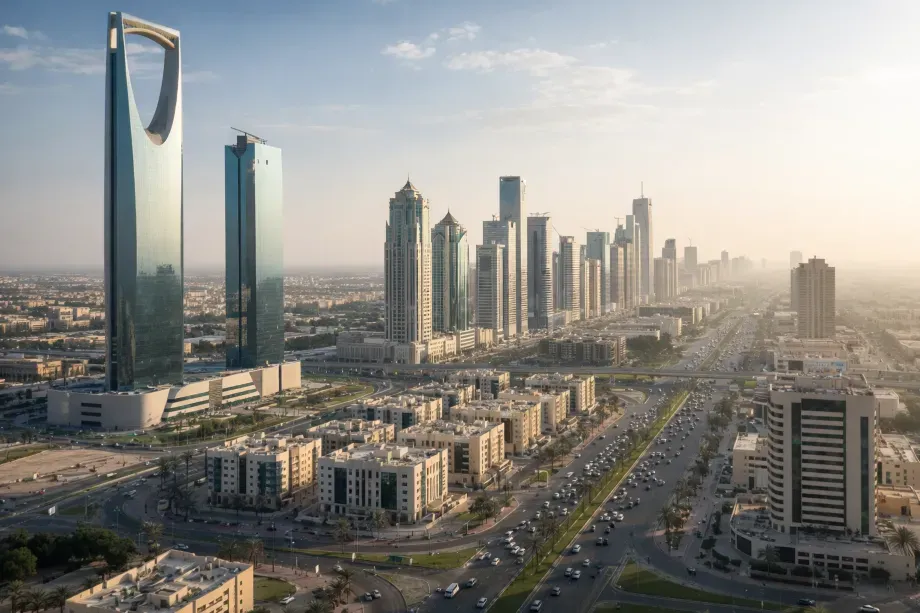
Riyadh | EcoPulse24
Inflation in Saudi Arabia accelerated by the end of 2025, fueled by higher costs in housing, water, electricity, gas, and other fuels, bringing price pressures back into focus as domestic demand remained robust. Annual data showed inflationary pressures spreading from limited categories to a broader basket of consumer spending.
According to data from the General Authority for Statistics, the Consumer Price Index (CPI) rose by 2.1% in December 2025 compared to December 2024. The increase was mainly driven by a 4.1% rise in the housing, utilities, and fuel category, a 1.3% increase in food and beverages, and a 1.5% hike in transportation costs.
The largest pressure came from rents, with actual residential rents rising 5.3%, reflecting the same rate of increase in primary housing costs for tenants. Prices for fresh, chilled, or frozen meat increased by 1.7%, while passenger transport services saw a 6.6% rise.
The personal care, social protection, and other goods and services category recorded a notable 7% increase, driven by a 23.7% rise in other personal luggage, mainly due to a 25.8% jump in jewelry and watches. Insurance and financial services prices also climbed 4.1%, supported by a 6.6% increase in insurance rates.
Additionally, prices for recreation, sports, and culture rose 2.4%, influenced by a 3.9% increase in holiday packages. Education services were up 1.5%, with secondary education rising 1.6%. Restaurant and hotel services saw a 0.9% increase, backed by a 1.4% rise in food and beverage service prices.
On a monthly basis, the CPI increased by 0.1% in December 2025 compared to November 2025, due to a 0.2% rise in housing, utilities, and fuel prices, and a 0.3% increase in actual rents. Food and beverages rose 0.1%, personal care and other goods and services climbed 0.7%, and restaurant and accommodation services were up 0.2%.
Conversely, prices for clothing and footwear fell 0.2%, transportation dropped 0.1%, and insurance and financial services declined 0.3%. Education services and tobacco prices remained largely unchanged during the month.
Analysis
The acceleration in inflation reflects structural pressures led by the housing sector, particularly rents, amid expanding economic activity and sustained urban demand. Although inflation rates remain within manageable levels, the widening sectoral increases suggest that inflation is shifting from temporary factors to a more persistent trend. This underscores the need for monetary policy to closely monitor the balance between growth and price stability in the coming period.
Explore Related Coverage
Sources & References
Editorial Note
Disclaimer
© 2025 EcoPulse24. All rights reserved.