Iran Crisis and Rising Oil Prices Prompt Singapore to Review Growth Forecasts Amid Imported Inflation Risks
Singapore may revise growth and inflation forecasts as Middle East tensions drive up oil prices, risking imported inflation and economic uncertainty.

Singapore | EcoPulse24
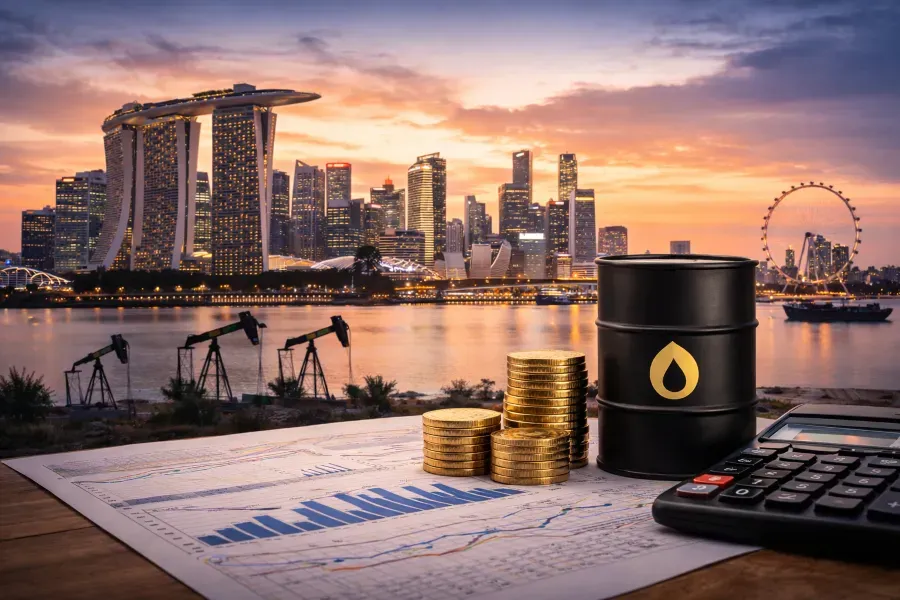
Singapore has announced it may reassess its economic growth and inflation forecasts amid geopolitical developments in the Middle East, as escalating military conflict directly impacts global energy prices. This presents a more complex outlook for the trade- and energy-import-dependent economy in the coming period.
Deputy Prime Minister Gan Kim Yong told parliament that the government is closely monitoring the situation, noting that a prolonged conflict could drive up global energy costs. This would impact both business operations and consumer expenses, putting pressure on Singapore’s and the global economy. Authorities will revise GDP and inflation forecasts if conditions warrant.
Energy markets have reacted sharply: West Texas Intermediate traded at $72.06 per barrel, up 7.52%, while Brent crude rose over 6% to near $78 per barrel, reaching its highest levels since January 2025 after a peak gain of nearly 13%. These jumps reflect a broad repricing of risk premiums associated with the Strait of Hormuz, one of the world’s most critical oil and gas shipping lanes.
Singapore, which imports almost all its energy needs, is among the economies most exposed to oil and gas price fluctuations. Sustained energy price increases feed directly into production and service costs, squeezing corporate margins and affecting household purchasing power. Singapore's reliance on smooth global trade flows also makes it sensitive to any disruptions in maritime supply chains.
Previous official estimates projected growth of up to 4% in 2026, assuming a supportive global environment. However, rising geopolitical risks now introduce uncertainty, especially if elevated energy prices persist or spike further.
Inflationary pressures are not limited to fuel but extend to transportation, shipping, and supply chain costs, potentially triggering imported inflation in Singapore’s open economy. Policymakers face the challenge of balancing growth support with inflation containment.
EcoPulse24 Analysis:
Singapore’s early indication of possible forecast revisions reflects an acute awareness of how quickly energy shocks can impact its economy. Continued oil price increases could drive imported inflation, weighing on consumption and investment. Any easing of tensions in key shipping lanes could mitigate risks, but the ultimate outcome depends on the conflict’s duration and the stability of energy flows from the Gulf.
Explore Related Coverage
Sources & References
Editorial Note
Disclaimer
© 2025 EcoPulse24. All rights reserved.