Iraq’s Economy in 2026: Oil Challenges, Diversification Ambitions, and a Comprehensive Outlook from Baghdad’s Bourse to Wheat Fields
Iraq's 2026 economy faces oil reliance, slow non-oil growth, rising debt, and drought, despite reform and investment efforts.

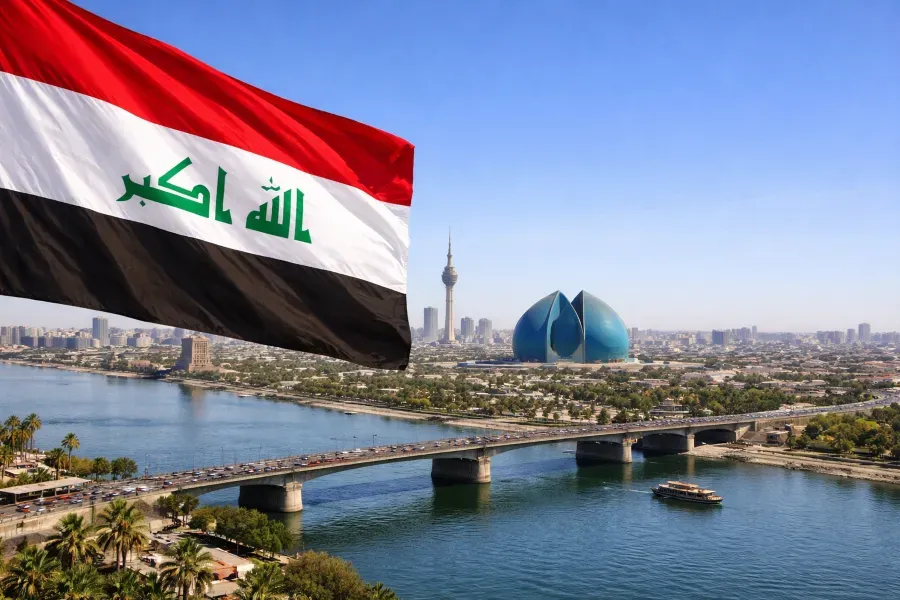
Baghdad – EcoPulse24
Entering 2026, Iraq’s economy is shaped by deep-rooted challenges and promising opportunities. Oil accounts for over 90% of exports and 85% of the state budget, leaving the country highly exposed to global price fluctuations and OPEC+ decisions. In 2024, Iraq’s GDP shrank by 2.3%, mainly due to extended OPEC+ production cuts and weak global demand. Oil GDP dropped by 6.2%, while non-oil growth slowed to 2.5%. The World Bank estimates Iraq’s PPP GDP at $690 billion in 2025, making it the fifth largest Arab economy.
A cautious recovery is expected in 2026, with the World Bank projecting 5.1% growth as oil production increases. However, non-oil growth and job creation will likely remain subdued, hindered by power and water shortages and slow public investment. Iraq’s fiscal deficit is set to widen as government spending rises amid lower oil revenues. Public debt may exceed 55% of GDP by end-2026, and international reserves have slipped from $100bn in late 2024 to $97bn by May 2025.
Baghdad’s stock exchange shows signs of cautious optimism, with regulatory moves to improve transparency and some positive trading activity. The banking sector is undergoing ambitious reforms, including state bank restructuring and the promotion of sustainable finance, but cash transactions and dollar reliance remain prevalent. Oil remains Iraq’s economic engine, but infrastructure bottlenecks, political disputes, and moderate prices limit potential windfalls.
Agriculture faces severe drought and water scarcity, exacerbated by climate change. Despite wheat harvest gains, the 2025/26 season is expected to see below-average output due to continued drought and government-imposed water-saving restrictions. Livestock initiatives, such as the Sama Karbala poultry project, aim to boost food security and local production. Kurdistan offers a contrasting agricultural success story, leveraging rainfall and modern methods to support rural development.
Unemployment remains a major social challenge, estimated at 16.2%, with much higher rates among youth and women. Poverty has risen from 20% in 2012 to 30% in 2022, especially affecting rural and conflict-affected populations. Iraq’s National Development Plan (2024-2028) targets diversification through investment in agriculture, manufacturing, ICT, and tourism, alongside reforms in governance, business environment, and infrastructure. The upcoming 2025 parliamentary elections could shape the pace of reform, but political fragmentation and unresolved disputes are likely to delay key decisions.
While moderate oil prices stabilize revenues, political and security risks, delays in structural reforms, and regional tensions remain key threats. Nonetheless, Iraq continues to attract record levels of foreign direct investment, especially in oil, gas, housing, and infrastructure, with growing interest in agriculture and manufacturing. The path to a resilient and diversified economy will require sustained reform efforts and strong political commitment.
Explore Related Coverage
Sources & References
Editorial Note
Disclaimer
© 2025 EcoPulse24. All rights reserved.