Iraq Moves to Restore Oil Output Above 3 Million Bpd After US-Iran Deal Reopens Hormuz
Iraq ordered major oil fields to return to prewar production levels above 3 million bpd after the US-Iran deal to reopen the Strait of Hormuz.

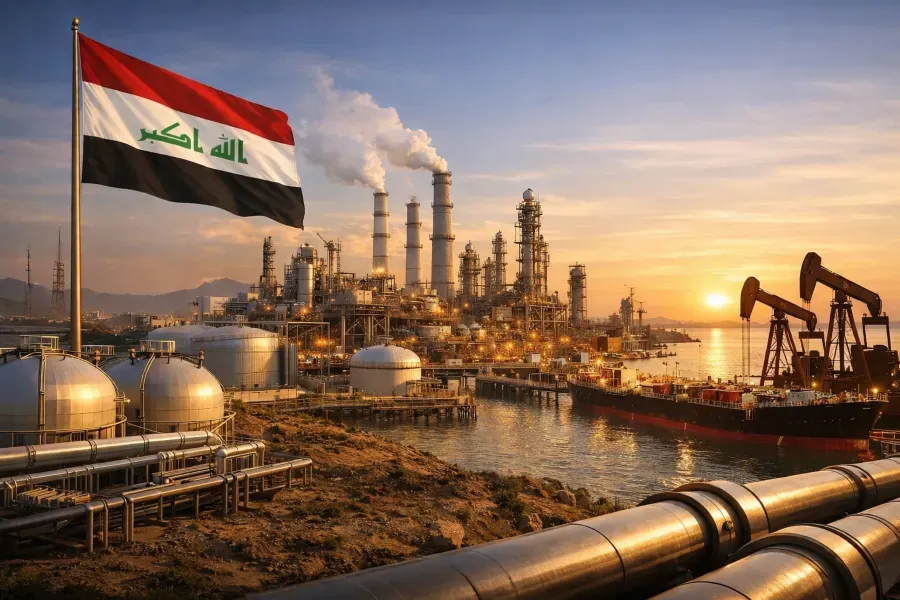
Iraq Orders Major Oil Fields to Increase Production
Iraq has instructed operators of five of its largest oil fields to restore production to prewar levels exceeding 3 million barrels per day (bpd) following the US-Iran agreement aimed at fully reopening the Strait of Hormuz.
According to a June 19 document seen by Bloomberg, state-run Basra Oil Company requested operators to raise output to maximum available capacity at the Rumaila, West Qurna-1, West Qurna-2, Zubair and Artawi fields.
The move marks another sign of the rapid normalization of energy flows across the Gulf after the recent disruption to shipping through Hormuz.
Recovery to Depend on Shipping Conditions
Oil Ministry spokesman Salim Al-Rikabi said the return to higher production levels would be gradual and depend on operational conditions and the availability of tankers to load crude shipments.
Separately, SOMO chief Ali Nizar said two tankers are currently loading at Iraq's southern export terminal, though additional vessels would need to pass through Hormuz to support further increases in production and exports.
Exports Were Severely Disrupted During the Crisis
Iraq, OPEC's second-largest producer, suffered a sharp decline in crude exports after maritime traffic through the Strait of Hormuz nearly came to a standstill during the US-Iran conflict.
The country relies heavily on the strategic waterway for most of its oil exports and has only limited pipeline alternatives compared with some neighboring producers.
Despite the disruption, production in southern Iraq - the country's main petroleum region - has already recovered to around 1.5 million bpd in recent days, according to a senior industry executive.
Associated Gas Production Also in Focus
Al-Rikabi said companies operating the fields have already begun implementing measures to increase output.
Authorities are currently prioritizing fields that produce associated natural gas alongside crude oil, as additional gas supplies would help meet domestic demand for electricity generation and cooking fuel.
EcoPulse24 Analysis
Iraq's decision to rapidly restore production underscores how quickly Gulf producers are moving to normalize energy exports following the reopening of the Strait of Hormuz.
For global oil markets, Iraq's return to prewar production levels could add significant supply back into the system at a time when geopolitical risk premiums are already fading.
For Iraq, however, the priority extends beyond export revenues. Restoring crude output also supports domestic gas supplies, power generation and broader economic stability, highlighting the country's continued dependence on uninterrupted access to Hormuz for both energy exports and internal energy security.
Sources & References
Editorial Note
Disclaimer
© 2025 EcoPulse24. All rights reserved.