JPMorgan CEO Jamie Dimon at Davos: US-China Relations, Regulatory Challenges, and the Impact of AI
JPMorgan CEO Jamie Dimon at Davos discussed US-China ties, AI adoption, regulatory risks, and urged strong Western alliances and economic reforms.

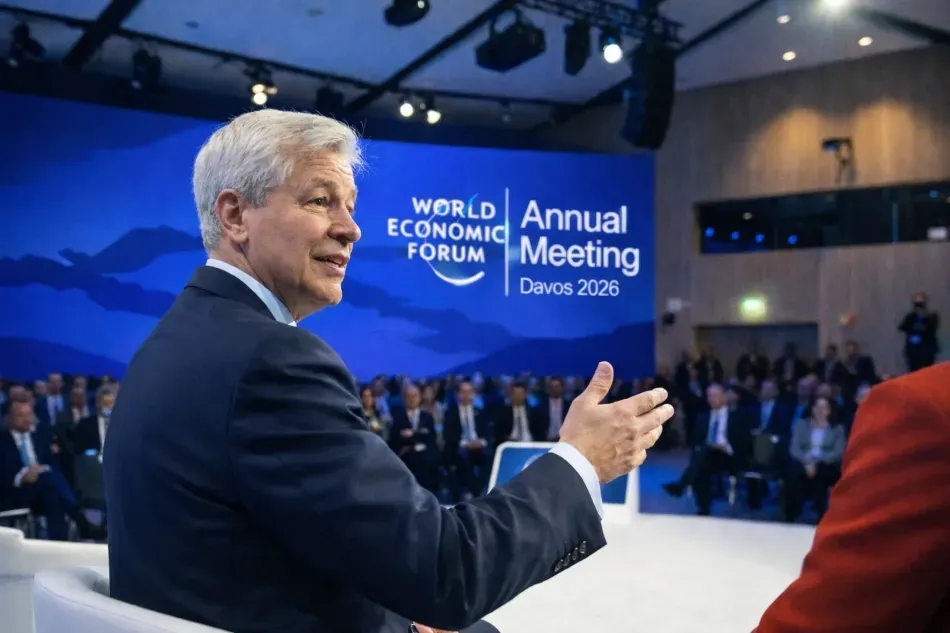
Davos, Switzerland – EcoPulse24
In an in-depth conversation with Zanny Minton Beddoes, Editor-in-Chief of The Economist, on the sidelines of the World Economic Forum in Davos on January 21, 2026, Jamie Dimon, CEO and Chairman of JPMorgan Chase, addressed a broad range of economic and geopolitical topics, from US-European relations to the impact of artificial intelligence (AI) on the banking sector.
On US Foreign Policy: Dimon refrained from direct criticism of the current US administration, stating, “I won’t comment on every aspect; you in the press always want binary answers.” He acknowledged both domestic and foreign policy missteps but emphasized the need for strong transatlantic alliances, saying, “We need a stronger NATO and Europe. This is good for America and Europe.”
Transatlantic Alliances: Dimon underscored the importance of keeping the Western world united, referencing recent tensions at Davos, including an incident where ECB President Christine Lagarde walked out in protest of criticism of Europe. Dimon noted he would have handled such disagreements more diplomatically.
JPMorgan’s Position on China: Dimon described China’s approach to opening its financial markets as “very consistent” but advised caution, noting risks and returns have shifted. JPMorgan maintains a significant presence in China and continues to evaluate opportunities and risks in the market.
US Credit Card Interest Rate Cap: Dimon criticized the US administration’s proposal for a temporary 10% cap on credit card interest rates, warning it could force banks to reduce credit lines for up to 80% of Americans and ultimately harm consumers more than banks.
AI at JPMorgan: Dimon revealed JPMorgan’s extensive AI adoption, with 500 use cases and 150,000 employees using the bank’s internal language model weekly. AI is widely applied in risk, fraud, marketing, errors, customer service, and idea generation. Dimon urged companies to embrace technological change proactively.
AI’s Impact on Jobs: Dimon acknowledged that AI will eliminate some jobs while changing the nature of others. He advised workers to focus on critical thinking, emotional intelligence, communication, and writing skills, as these will remain valuable in the AI-driven future.
Trade Policy: Dimon opposed broad tariffs but recognized their necessity in specific cases related to national security or unfair trade practices.
Immigration and Economic Reform: While praising efforts to strengthen border control, Dimon called for comprehensive immigration reform, highlighting the need for holistic solutions.
US Economic Growth: Dimon criticized the US’s modest economic growth over the past two decades (1.7% per year versus a 3% target) and proposed policies such as expanding earned income tax credits and considering negative income tax as tools for economic policy.
Support for Ukraine: Dimon met with Ukrainian President Volodymyr Zelenskyy at Davos, urging ongoing support for Ukraine and reminding the public of the broader implications for freedom and democracy.
Career and Leadership: Reflecting on his over 40-year career, Dimon stressed the importance of effective leadership, soft skills, and maintaining a realistic assessment of global developments.
Cautious Optimism: Despite JPMorgan’s record profits in 2023, Dimon maintained a cautious outlook, warning against complacency amid strong equity markets and highlighting the effects of extensive fiscal and monetary stimulus.
EcoPulse24 Analysis: Dimon’s interview reflects the balancing act required by global business leaders navigating between commercial interests and shifting policy environments. His remarks on AI, US-China relations, economic growth, and regulatory challenges reveal the evolving priorities and risks facing the financial sector.
Explore Related Coverage
Sources & References
Editorial Note
Disclaimer
© 2025 EcoPulse24. All rights reserved.