Madbouly Announces New Social Protection Package Ahead of Ramadan Including Cash Support, Income Increases, and Tax Reforms
Egypt announces new social support with cash aid, salary hikes, and tax reforms before Ramadan to aid vulnerable groups and boost the economy.

Cairo | EcoPulse24
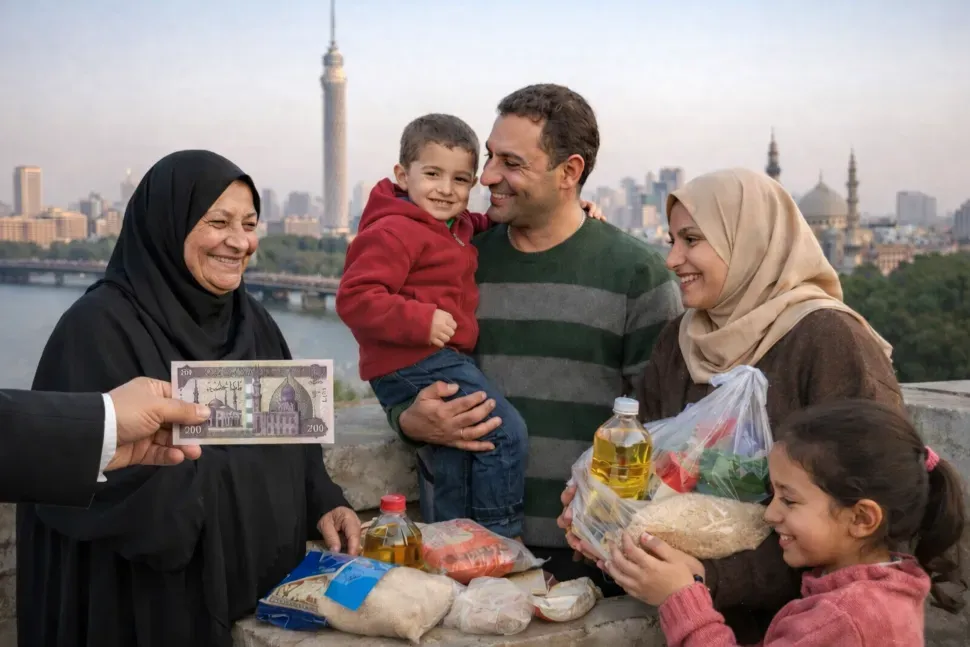
The Egyptian government is set to launch a new social protection package under direct presidential directive, combining immediate cash support with broader structural reforms as part of the upcoming fiscal year's budget. The announcement followed a meeting between President Abdel Fattah El-Sisi, Prime Minister Mostafa Madbouly, and Finance Minister Ahmed Kouchouk. The government was instructed to roll out a support package targeting the most vulnerable segments, to be implemented before Ramadan as direct cash aid, along with financial measures affecting public sector employees and pensioners.
The forthcoming package includes salary increases for public sector employees, pension improvements, and direct support for low-income families, aiming to enhance purchasing power and alleviate living pressures. February salaries will be paid early this week, helping families prepare for the seasonal spending associated with Ramadan.
Beyond immediate social support, the meeting addressed additional financial allocations to complete phase one of the "Decent Life" initiative, which targets rural development and job creation for vulnerable groups. Support for the healthcare sector was also emphasized, including critical case treatment and accelerating the elimination of waiting lists, alongside pushing forward the comprehensive health insurance system.
Economically, the package extends beyond cash support to include tax and customs reforms in preparation for the 2026/2027 fiscal year. The government is considering tax system development, updating property tax mechanisms, and revising customs tariffs to support domestic industry and stimulate investment. Raising the tax exemption threshold is also being considered to ease the burden on low- and middle-income earners, directly impacting net incomes in both public and private sectors.
Full implementation of the package is scheduled for July, coinciding with the new fiscal year, while some social measures will take effect immediately in the coming weeks.
This move is part of a broader context previously outlined by the Prime Minister, who indicated that 2026 would mark the beginning of tangible improvements in living standards, supported by a projected reduction in the debt-to-GDP ratio to about 84% from 96% two years ago. This would give the government greater fiscal space to redirect resources toward social spending.
EcoPulse24 Analysis:
The new package represents a blend of short-term social stimulus and signals of medium-term fiscal reform. Immediate cash support and early salary disbursement are expected to boost local consumption during a peak spending season, likely benefiting retail and food sectors. Conversely, the planned tax and customs reforms aim to stimulate industrial production and improve the business environment. The main challenge lies in maintaining a balance between expanded social spending and fiscal discipline regarding deficit and public debt. The success of this balance will determine whether 2026 becomes a year of genuine economic transformation or merely a transitional phase in a longer reform process.
Explore Related Coverage
Sources & References
Editorial Note
Disclaimer
© 2025 EcoPulse24. All rights reserved.