Modified Japanese Tactics Give Yen Temporary Relief Without Broad Intervention
Japan stabilized the yen using psychological tactics, not broad intervention; gains are fragile and may not last past upcoming elections.

Tokyo | EcoPulse24
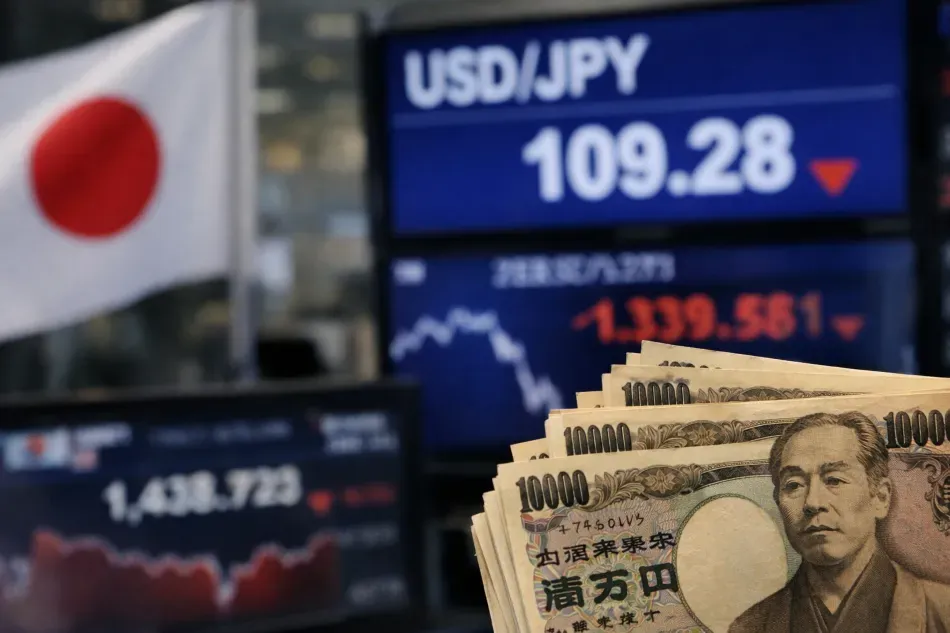
In recent days, Japan successfully pulled the yen back from the brink of 160 per dollar to the 153 range, without any clear evidence of large-scale intervention in the currency market. This is seen as a short-term victory for Japan's revised tactics, which relied mainly on psychological deterrence and the possibility of coordination with the United States.
Just a week ago, with early elections looming on February 8, Japanese authorities faced rising bond yields, a fragile stock market, and no immediate signs of a Bank of Japan rate hike. The rapid change in the yen's trajectory resulted from a strategy that revived market fears of possible joint intervention by Tokyo and Washington, rather than direct and costly market spending.
Investors are awaiting monthly intervention data, due later today, to see if Japan spent any actual funds to support the yen. Early estimates suggest the latest move may have occurred without direct yen purchases, or through very limited actions that are hard to detect in the Bank of Japan's daily accounts.
Timing and the U.S. Role
Tokyo benefited from favorable timing, as U.S. President Donald Trump adopted a dovish tone on dollar weakness, boosting bets on a longer-term downtrend for the U.S. currency and supporting the yen. Yet, this trend remains fragile. Meanwhile, U.S. Treasury Secretary Scott Besant undercut the deterrent effect by asserting that the U.S. would "never intervene" in the currency markets to sell dollars for yen. These mixed signals created market uncertainty, which Japan leveraged to curb speculation.
"Rate Checks" vs. Direct Intervention
Market consensus is that Japanese authorities used "rate checks" - inquiries by central banks to market participants about quoted rates without actual transactions. This tactic, often used to intimidate speculators and sometimes preceding intervention, was reportedly also employed by the New York Fed, accelerating the yen's rise.
Japanese officials reaffirmed their commitment to close coordination with U.S. authorities under the bilateral agreement, keeping the prospect of joint action alive, at least in theory.
Fragile Success Ahead of Elections
Despite gaining about 7 yen from critical levels without significant spending, this success is fragile and unlikely to be repeated if the yen slides back toward 160. Estimates suggest that Prime Minister Sanae Takaichi may be more willing to approve stronger measures after the elections if she wins.
Historically, Japan had to spend around 9.8 trillion yen in just two days in spring 2024 to achieve similar gains, only for the yen to weaken again within two months, prompting further intervention and a Bank of Japan rate hike.
EcoPulse24 Analysis
Japan's recent achievement is best described as smart expectation management. The psychological deterrence and hints at U.S. coordination proved temporarily effective, but do not address the root causes of yen weakness, namely the significant monetary policy gap between Japan and the U.S. Without a clear shift in Bank of Japan policy or broad-based intervention, the yen remains vulnerable to further testing, especially if U.S. ambiguity fades and speculation returns after the February elections.
For more analysis, see: Japanese Yen: The Collapse of a Currency and the Central Bank’s Struggle With Reality.
Explore Related Coverage
Sources & References
Editorial Note
Disclaimer
© 2025 EcoPulse24. All rights reserved.