Nvidia Develops Location Verification Technology to Prevent AI Chip Smuggling
Nvidia's new tech verifies AI chip locations to prevent smuggling to restricted countries, addressing U.S. export concerns.

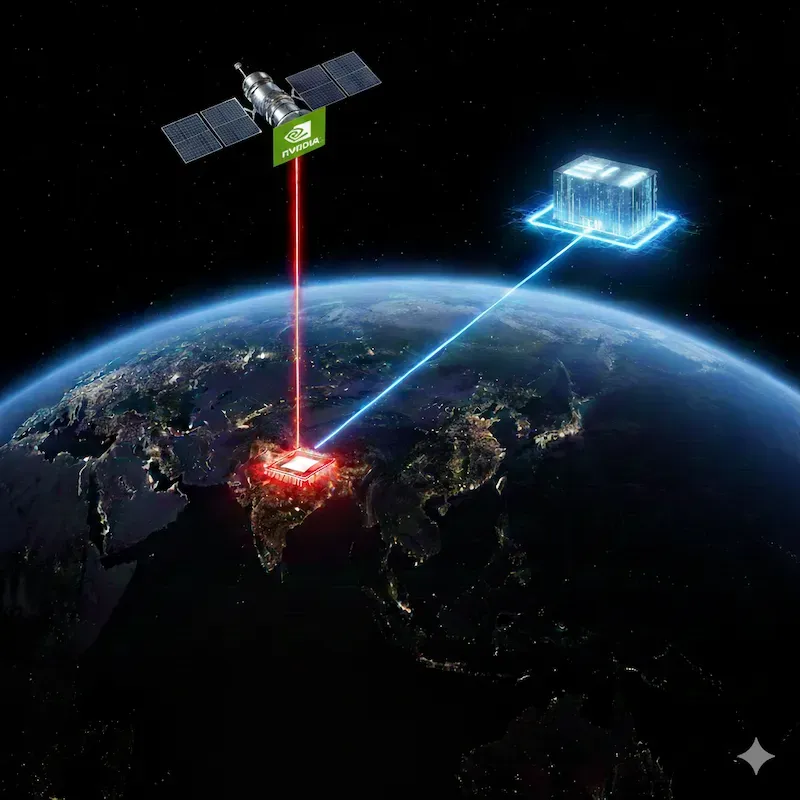
Nvidia has announced the development of a new software technology to verify the location of its AI chips, aimed at preventing their smuggling to restricted countries like China, according to a Reuters report. The optional software update will utilize telemetry data from GPUs to accurately determine the country in which the chips are operating, benefiting from latency with Nvidia servers for precise location estimation similar to internet services. The technology will first be deployed with the new Blackwell chips, featuring improved security for attestation, while exploring application to previous generations like Hopper and Ampere. This development comes in response to demands from the U.S. government for enhanced location verification mechanisms to prevent exports to China, where such sales are prohibited. The U.S. Department of Justice has successfully prosecuted cases against smuggling networks linked to China that attempted to import over $160 million worth of Nvidia chips. In an official statement, Nvidia said: 'We are implementing a new software service that enables data center operators to monitor the health and inventory of their GPU fleet comprehensively. This client-installed software agent utilizes telemetry data to monitor fleet health, integrity, and inventory.' However, the technology has raised concerns in China, where the Chinese cybersecurity authority inquired about potential backdoors in Nvidia's products. The company firmly denied the existence of such vulnerabilities, noting that location verification can be implemented without compromising security. This development follows a decision by former U.S. President Donald Trump to allow the export of H200 chips to China, despite uncertainties about Beijing's acceptance, reflecting escalating geopolitical tensions surrounding U.S. control over AI technology.
Sources & References
Editorial Note
Disclaimer
© 2025 EcoPulse24. All rights reserved.