Nvidia Unveils Rubin Platform, Setting New Benchmarks for AI Acceleration and Cost Efficiency
Nvidia launched the Rubin platform at CES 2026, boosting AI performance and cost efficiency, with strong demand and new industry partnerships.

Las Vegas – January 6, 2026
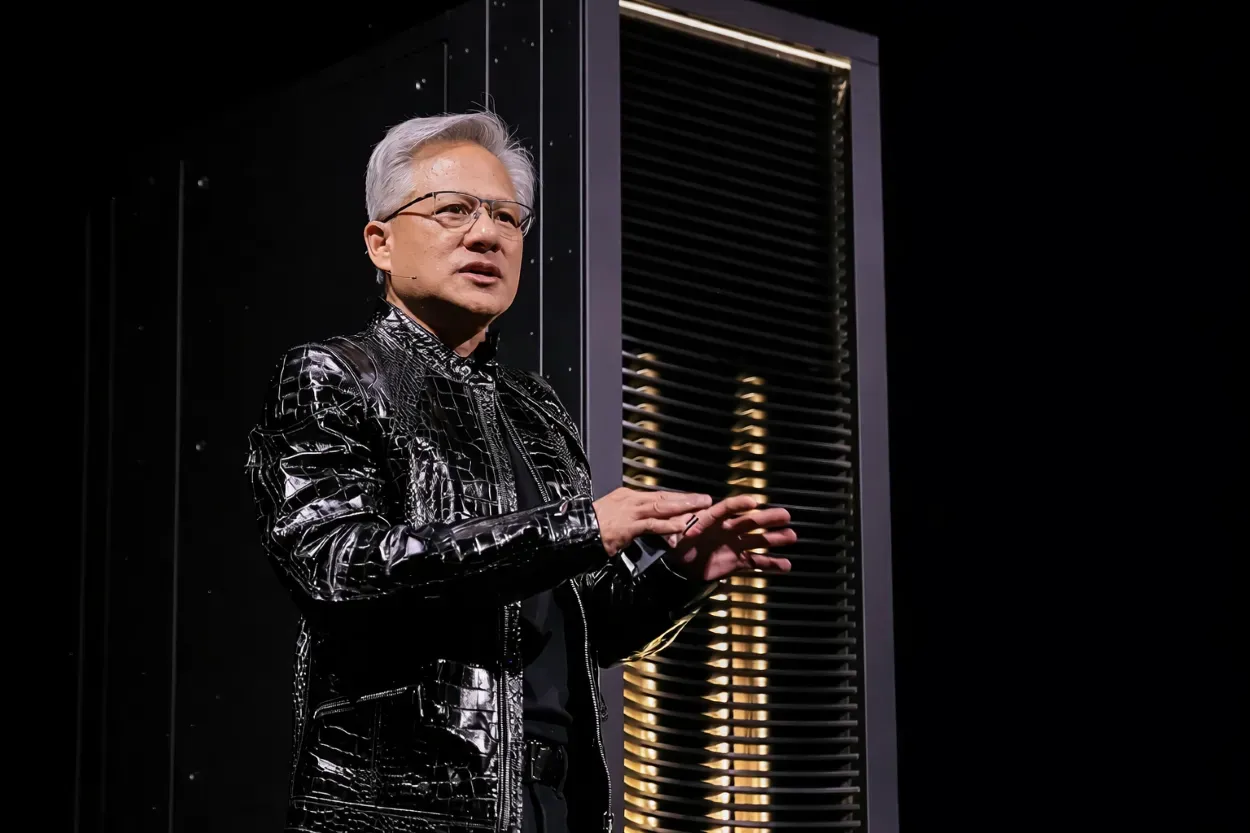
Nvidia CEO Jensen Huang announced at CES 2026 in Las Vegas that the highly anticipated Rubin data center processors have entered full production, heralding a new era in high-performance computing. The new Rubin platform, named after astronomer Vera Rubin, boasts six next-generation chips returning from manufacturing partners and slated for customer deployment in the second half of the year, according to Bloomberg. Huang emphasized surging demand, noting that the growing complexity and proliferation of AI software is straining current computing resources, necessitating more advanced solutions.
Nvidia shares rose 2% to $191.86 in New York, extending a rally of nearly 28% over the past year. Despite concerns from some Wall Street analysts about increasing competition and the sustainability of AI investment, Nvidia remains bullish, forecasting a multi-trillion-dollar market and retaining 80-85% market share in AI accelerators.
The Rubin platform delivers a leap in performance: 3.5x better at training and 5x better at inference compared to Blackwell. The new central processor features 88 cores and doubles the performance of its predecessor. The Vera Rubin NVL72 system combines 72 Rubin GPUs and 36 Vera CPUs, delivering up to a tenfold reduction in inference token cost. Each Rubin GPU contains 336 billion transistors, while each Vera CPU has 88 Olympus cores and 227 billion transistors.
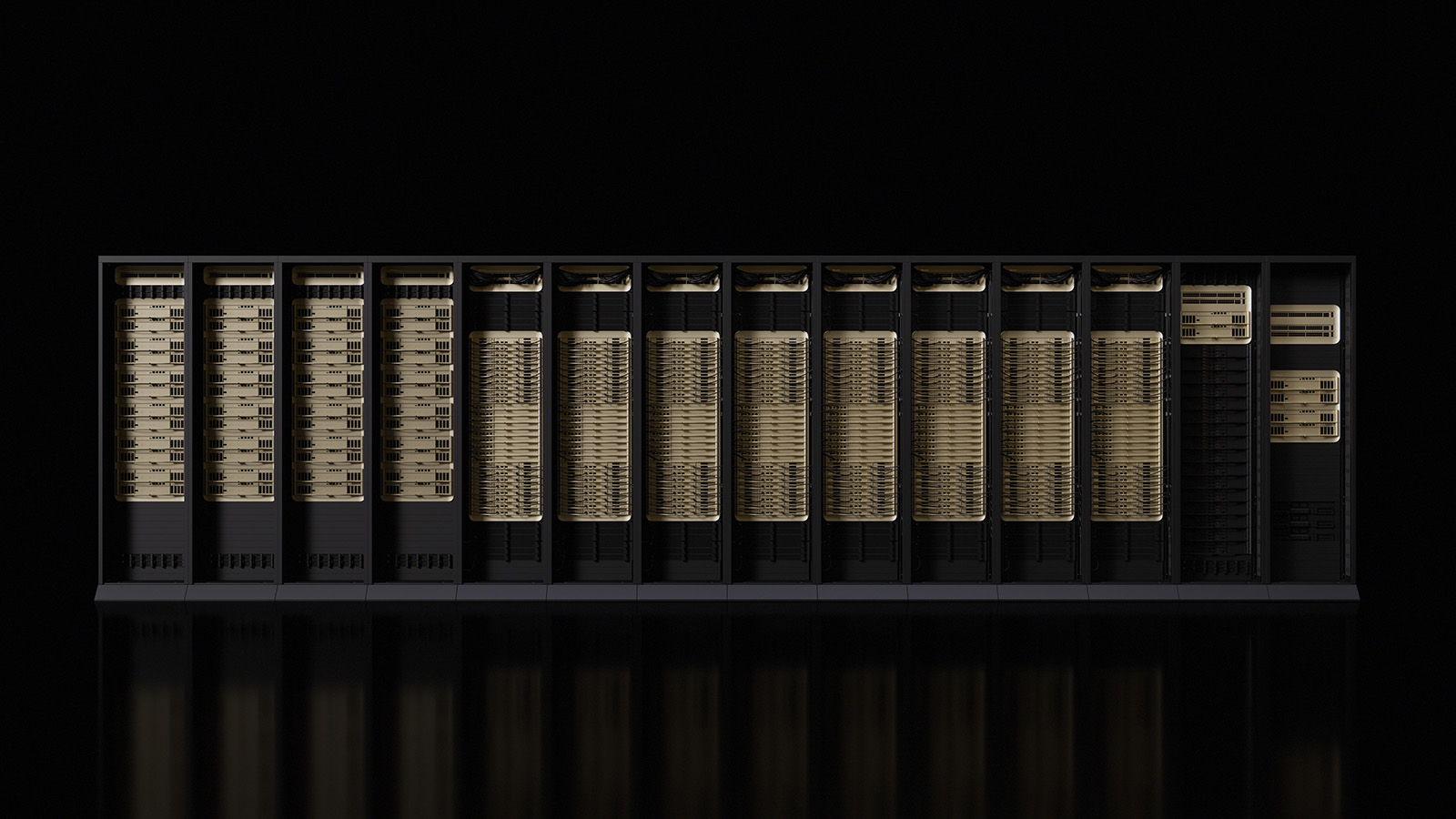
Nvidia unveiled the new lineup earlier than usual to maintain industry engagement, with details typically reserved for its spring GTC event. The new hardware, including networking and connectivity components, will be part of Nvidia’s DGX SuperPod supercomputer and available as modular products. Microsoft and other leading cloud providers are among the first expected adopters in H2 2026.
Chinese demand remains strong, particularly for the H200 chip, as Nvidia navigates U.S. regulatory approval for exports. CFO Colette Kress noted that license applications have been submitted and Nvidia can meet Chinese demand without impacting global supply.
The majority of Nvidia's current sales come from the capital expenditure budgets of giants like Microsoft, Google Cloud, and AWS. Nvidia is also pushing into robotics, healthcare, and heavy industry, launching new open-source tools for autonomous vehicles and introducing DLSS 4.5 technology for 4K gaming at 240fps.
Strategically, Nvidia expanded its partnership with Siemens, integrating its full stack with Siemens’ industrial software to enable AI-driven digital twins and next-generation manufacturing. Huang highlighted that $10 trillion in legacy computing infrastructure is now being upgraded for accelerated computing and AI.
To read an analytical article about the Nvidia vs. AMD competition
Competition is intensifying, with AMD CEO Lisa Su scheduled to deliver a keynote at CES, underscoring the rivalry in AI processors. Nevertheless, Nvidia reports strong demand across its entire product range, not just its latest chips.
In summary, Nvidia’s CES 2026 announcements signal its intent to extend its leadership in AI hardware through radical innovation and strategic alliances, capitalizing on robust global demand despite regulatory and competitive challenges.
Explore Related Coverage
Sources & References
Editorial Note
Disclaimer
© 2025 EcoPulse24. All rights reserved.