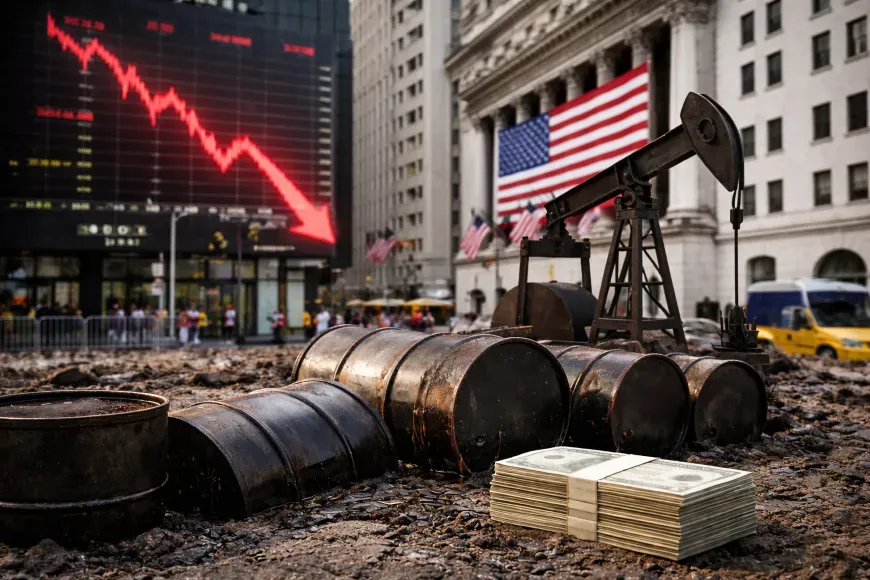
Oil Nears $120, Shaking Global Stocks and Bonds Amid Inflation Fears
Oil nears $120, sparking global stock and bond sell-offs, inflation fears, and market volatility amid Middle East conflict and supply concerns.

London | EcoPulse24
Oil prices neared $120 per barrel, causing significant turmoil in global financial markets. Investors launched a broad sell-off in both stocks and bonds amid fears that the escalating conflict in the Middle East could trigger a prolonged supply shock, reigniting global inflation and pressuring economic growth.
The sharp rise followed production cuts by several Middle Eastern producers due to increasing regional risks, pushing Brent crude above $100 per barrel for the first time since 2022 before partially retreating as talk of governments tapping strategic oil reserves emerged.
Quick Market Snapshot:
- Brent Crude: $104.19 (+12.41%)
- S&P 500 Futures: 6,677.75 (-0.98%)
- Nikkei Index: 52,728.72 (-5.20%)
- US 10-Year Treasury Yield: 4.171% (+0.033)
- Bloomberg Dollar Index: 1,207.51 (+0.35%)
These figures reflect heightened market tension, with oil at multi-year highs, sharp stock declines, and rising bond yields as investors price in higher inflation risks.
A global sell-off ensued, with nearly $6 trillion wiped from global equity market value since the Iran conflict began. Major indices entered correction territory, falling over 10% from recent peaks, a Wall Street benchmark for market corrections.
Key declines included:
- Nikkei Index: -5.2%
- MSCI Emerging Markets Index: ~-10% from peak
- KOSPI (Korea): -6%
Oil surpassed $100 per barrel for the first time since 2022, marking one of the largest daily moves since Brent futures began in 1988. European natural gas futures also surged as much as 30% in a single session, highlighting the crisis’ impact on energy markets.
The US dollar strengthened as investors sought safety, with the Bloomberg Dollar Index hitting a two-month high. The risk-off sentiment led to a re-pricing of central bank policy expectations: markets now anticipate two ECB rate hikes this year and a 70% chance of a Bank of England rate increase, reversing prior expectations of rate cuts.
Last week marked the worst for both stocks and bonds since the tariff crisis of April, a rare phenomenon reflecting fears of stagflation - a mix of high inflation and slowing growth.
Sector performance diverged sharply: energy stocks like Chevron (+1.5%) and Exxon Mobil (+1.4%) gained, while energy-sensitive sectors and mining companies such as Freeport-McMoRan (-3.8%), Coeur Mining (-4.7%), and US airlines (over -3%) fell due to rising fuel costs and economic slowdown concerns.
Some investors described the recent moves as a “capitulation” in risk assets, with widespread portfolio de-risking. Danny Wong of Areca Capital noted a "collective rush to sell all risky assets," as market sentiment swiftly shifted from caution to panic amid the expanding conflict.
Despite war-driven inflation expectations, markets are closely watching upcoming US inflation data (core CPI for February expected at +0.2%; core PCE at +0.4%) to gauge underlying price trends before the conflict.
Analysts have raised the probability of a major US stock market crash this year to 35%, up from 20% pre-crisis, reflecting heightened financial anxiety.
EcoPulse24 analysis indicates the oil shock from the Middle East conflict is rapidly transmitting to the global financial system. Persistently high energy prices could usher in a new phase of financial instability, especially if central banks are forced to maintain higher rates longer than anticipated. Ongoing geopolitical tensions may further boost demand for safe havens like the dollar and gold, leaving global equities exposed to increased volatility in the coming period.
Explore Related Coverage
Sources & References
Editorial Note
Disclaimer
© 2025 EcoPulse24. All rights reserved.