Qatar Warns of Potential Energy Shock: Oil Could Hit $150 if LNG Supply Disruptions Persist
Qatar warns oil could hit $150/barrel if LNG supply issues persist, citing Middle East tensions and risk of global energy shock.

Doha | EcoPulse24
Qatar's Energy Minister, Saad Sherida Al-Kaabi, has warned of a sharp spike in global oil prices in the coming weeks, suggesting that oil could reach around $150 per barrel within two to three weeks if current geopolitical tensions in the Middle East persist and supply disruptions escalate.
In an interview with the Financial Times, Al-Kaabi stated that global energy markets are facing increasing risks due to military developments in the region, which directly impact oil and gas supply chains. He emphasized the world's dependence on Gulf exports as a primary energy source.
Al-Kaabi explained that restoring normal energy supply cycles could take weeks or even months, even if hostilities were to cease immediately, reflecting the complexity of global energy supply chains at this stage.
He noted that several Gulf energy exporters might be forced to declare force majeure in the coming days if conditions remain unchanged. This contractual measure allows companies to suspend supply commitments due to uncontrollable circumstances such as war or security disruptions.
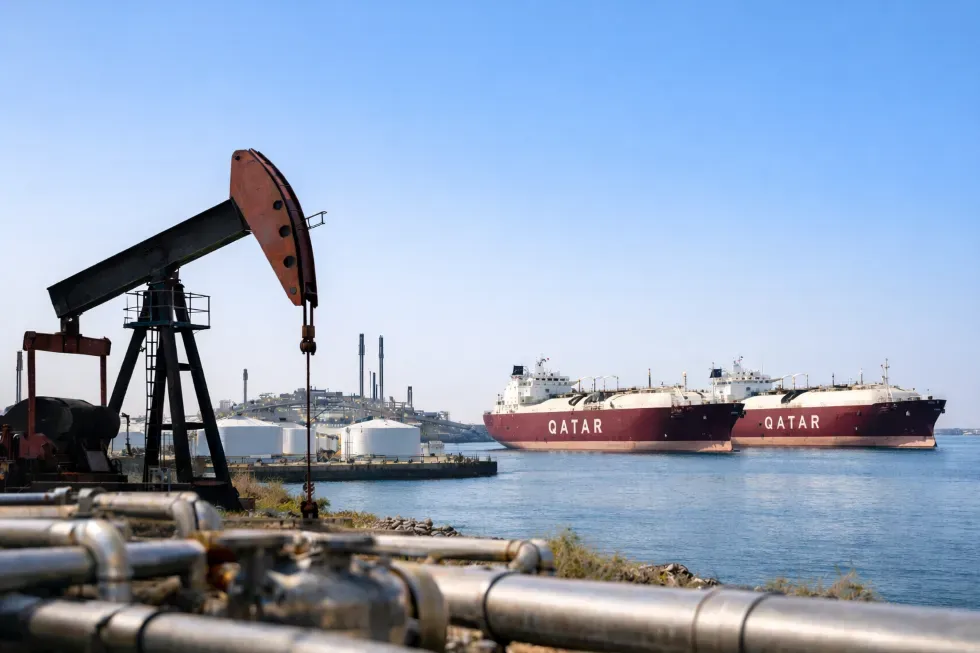
Al-Kaabi confirmed that Qatar halted liquefied natural gas (LNG) production on Monday due to ongoing regional tensions, with the country continuing to assess potential impacts on its facilities, particularly onshore plants linked to production and liquefaction.
Qatari LNG is a cornerstone of the global energy market, accounting for about 20% of global LNG supply and playing a pivotal role in balancing demand in Asian and European markets.
According to the minister, offshore operations have not sustained direct damage so far, but authorities are reviewing the operational status of onshore facilities as a precaution to safeguard energy infrastructure.
These developments come amid heightened volatility in global energy markets, with the Strait of Hormuz remaining one of the world's most strategic energy transit points, handling a significant share of global oil and gas exports.
Investors fear that any prolonged disruption to shipping or production in the region could sharply reduce global supply, potentially pushing prices to record levels and increasing inflationary pressures on the world economy.
Any interruption in Qatari LNG exports could also reshape global energy flows, especially in Europe and Asia, where many countries rely on Qatari supplies to meet gas demand.
EcoPulse24 Analysis:
The Qatari energy minister's statements underscore the sensitivity of global energy markets amid Middle East geopolitical tensions. The prospect of oil reaching $150 per barrel signals a potential energy shock that could affect both global inflation and economic growth. Continued supply disruptions or an expanded conflict could trigger a sharp repricing of risk in energy markets, prompting governments and central banks - particularly in major oil and gas importing economies - to reassess energy and inflation policies.
Explore Related Coverage
Sources & References
Editorial Note
Disclaimer
© 2025 EcoPulse24. All rights reserved.