Oil Prices Hit Highest Level Since 2024 as Brent Tops $91 Amid Fears of Supply Shortage Through Strait of Hormuz
Oil prices hit 2024 highs as Strait of Hormuz disruptions cut supply, with Brent over $91 and WTI at $88.35, sparking global market concerns.

London | EcoPulse24
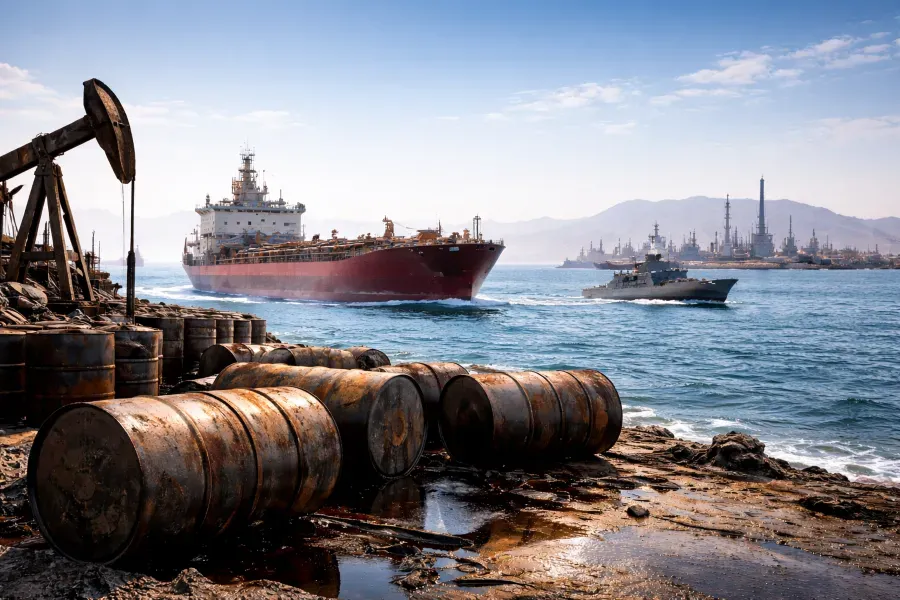
Global energy markets are facing a major supply shock as oil prices surge sharply due to escalating military tensions in the Middle East and the disruption of shipping through the Strait of Hormuz, a key strategic passage for global oil trade.
By the end of the week, oil prices soared to levels unseen since April 2024, as tanker movement through the strait nearly came to a halt amid rising security risks, soaring insurance costs, and uncertain operating conditions.
West Texas Intermediate (WTI) crude rose to $88.35 per barrel, a daily gain of $7.34 or over 9%, while Brent crude exceeded $91 per barrel after a $5.6 increase.
Weekly performance reflects a real supply shock, with analysts estimating that 7 to 11 million barrels per day may be temporarily lost from the market due to disrupted shipments and tanker navigation difficulties.
The Strait of Hormuz typically sees around 20 million barrels per day pass through, accounting for about one-fifth of global oil trade. Recent days have seen a sharp decline in actual shipments, as many shipping companies halted operations due to unprecedented security and insurance costs.
The affected supply volume underscores the potential global market impact, especially since many Gulf producers rely on this route to export oil to Asian and European markets.
Some producers have started to cut output or delay shipments due to export challenges, further tightening global supply and driving oil prices up by over 20% in just one week - marking the largest weekly increase since 2022.
Recent developments followed statements from Qatari Energy Minister Saad Al-Kaabi, warning some Gulf states may have to halt production within days if tankers remain unable to transit the strait.
Remarks from Iranian officials indicating no current intention to negotiate have also heightened market concerns about the crisis's duration.
In response, major governments are exploring measures to contain price shocks. Japan and other industrial nations are considering releases from strategic oil reserves, while the U.S. hinted at potentially releasing oil from its reserves and temporarily allowing India to purchase Russian oil shipments already at sea.
Saudi Arabia has raised its oil selling prices for Asian clients and begun rerouting some shipments via Red Sea ports to bypass the Strait of Hormuz and reduce navigation risks.
EcoPulse24 Analysis:
Current oil market developments reflect more than just price hikes - they signal a sudden shift in global supply balance, triggered by the disruption of one of the world's most vital oil corridors. Markets are reacting not only to the missing supply but also to the uncertainty surrounding the crisis's duration and potential geographic expansion. In such circumstances, energy prices become the most sensitive indicator of geopolitical events, making oil's trajectory in the coming weeks crucial for global inflation and financial markets.
Explore Related Coverage
Sources & References
Editorial Note
Disclaimer
© 2025 EcoPulse24. All rights reserved.