Oil Jolted by Kharg Attack as WTI Surges to $102.4 Per Barrel
WTI crude surged to $102.4 per barrel Monday after US forces struck Kharg Island, Iran's main oil export hub, escalating the Middle East conflict.

EcoPulse24 | New York
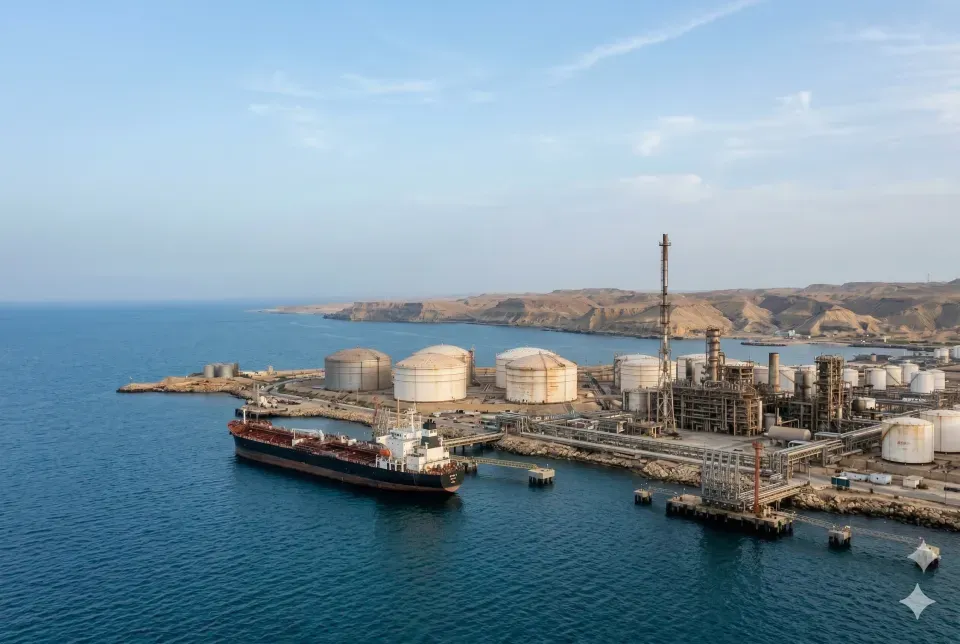
WTI crude oil futures surged to as high as $102.4 per barrel on Monday before paring gains, as US forces struck military targets on Kharg Island - Iran's main oil export hub - over the weekend, pushing the Middle East conflict into its third week and reigniting fears of a prolonged global energy supply shock.
Kharg Island Strike Escalates Supply Risk
US President Donald Trump issued a stark warning alongside the Kharg Island strikes, threatening that Iran's entire oil export infrastructure - which processes roughly 90% of the country's crude exports - could be targeted if Tehran continues to interfere with transit through the Strait of Hormuz. The narrow waterway linking the Persian Gulf with global energy markets has remained effectively shut since the conflict began, with Iran's new supreme leader pledging to keep the strait closed if hostilities continue. Traders on Sunday night pushed WTI above the $100 threshold for the first time since July 2022, driven by reports that the US will soon announce a coalition of nations to escort commercial vessels through the waterway.
IEA Reserve Release Fails to Fully Offset Disruption
The International Energy Agency said on Sunday that oil from last week's record 400-million-barrel coordinated reserve release will be made available immediately in Asian markets to ease supply pressure. However, market participants appear unconvinced that coordinated reserves alone can offset the potential loss of Iranian crude exports combined with continued Hormuz disruption. Brent crude was trading above $103 per barrel on Monday, while WTI held near $100, with analysts warning of further upside if Kharg Island's export terminal sustains direct damage. The IEA's extraordinary reserve deployment - the largest in history - underscored the severity of the supply shock now rippling through global commodity markets.
Inflation Fears Return as Oil Rallies
The surge in crude prices has revived fears of a global stagflationary spiral. Higher energy costs feed directly into consumer prices, transportation, manufacturing, and food production. Across the G10, central banks that had been approaching the end of rate-hike cycles are now facing renewed pressure to hold - or even raise - benchmark rates. The US Federal Reserve, the European Central Bank, the Bank of Japan, and six other major monetary authorities are all expected to deliver rate decisions this week in what markets have dubbed a central bank Super-Week shaped by war-driven uncertainty. Gasoline prices in the United States have risen 24% since the conflict began, averaging $3.70 per gallon. The US Energy Secretary warned on Monday that a sustained decline in pump prices could take weeks even if crude markets stabilize.
Global Market Reaction
Equity markets worldwide opened Monday under pressure. Australia's S&P/ASX 200 fell 0.6% to 8,569, with materials and gold mining stocks among the major drags as higher oil prices heightened concerns about cost inflation for energy-intensive industries. New Zealand's benchmark index slipped to a three-session low, with consumer durables and services leading declines. US stock index futures were modestly higher as investors balanced geopolitical risk against expectations that energy-company earnings would benefit from elevated oil prices. Gold held near $5,000 per ounce as investors remained cautious amid a stronger US dollar and reduced expectations of near-term rate cuts from the Federal Reserve.
EcoPulse24 Analysis
EcoPulse24 Analysis: The Kharg Island strike marks a significant qualitative escalation in the Iran conflict, targeting the economic infrastructure at the heart of Iran's export capacity rather than military installations alone. Markets are now pricing a meaningful probability that direct damage to Kharg's export terminal could remove one to two million barrels per day from the global market - a supply shock the IEA's reserve release cannot fully absorb over the medium term. For GCC producers, the situation presents a paradox: elevated oil prices boost export revenues, but sustained Hormuz disruption complicates their own shipping logistics and downstream supply chains. Investors and policymakers should closely monitor the formation of the US-led maritime escort coalition and any signs of Iranian counter-escalation at other regional energy facilities.
Explore Related Coverage
Sources & References
Editorial Note
Disclaimer
© 2025 EcoPulse24. All rights reserved.