Trump Presses G7 to Form Hormuz Coalition as US Enters Direct Iran Talks
Trump pressed G7 leaders to help reopen the Strait of Hormuz and confirmed the US is in direct talks with Iran, boosting European markets.

EcoPulse24 | Washington
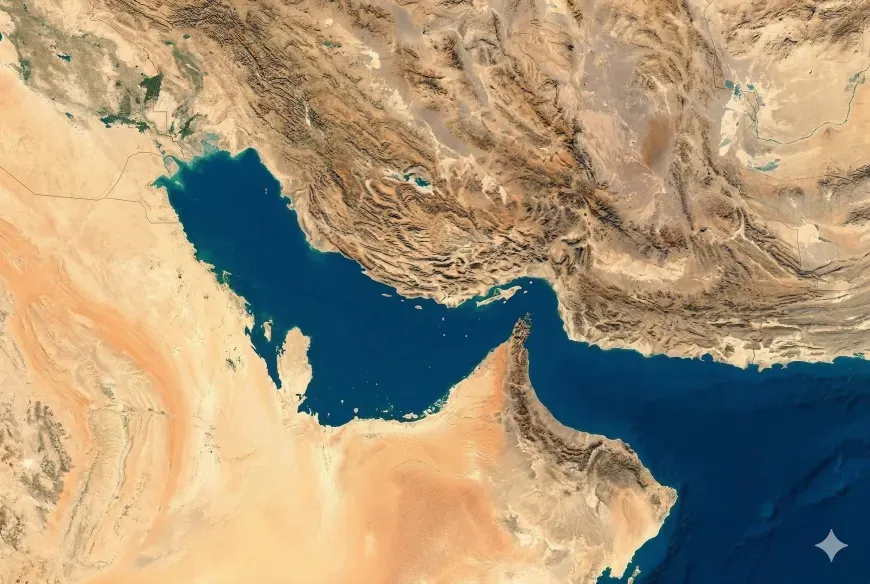
US President Donald Trump has called on G7 leaders to join an international coalition to help reopen the Strait of Hormuz and has confirmed that the United States is in direct talks with Iran - marking the first significant diplomatic signal since the conflict began over two weeks ago.
Trump Pushes for Multilateral Hormuz Response
During a recent call with G7 leaders, Trump pressed participating nations to contribute to what observers are calling a "Hormuz Coalition" - a multilateral effort aimed at restoring freedom of navigation through the strategic waterway. When asked about his precise strategy for the conflict with Iran, Trump declined to provide specific details, stating that he had "several options" in mind and that he wanted the conflict to end as quickly as possible.
Separately, Trump confirmed that the United States is engaged in direct talks with Iran, although he tempered expectations by saying Tehran is "not ready" to reach a formal deal. Israeli officials echoed this cautious tone, warning that the war could last "several more long weeks." Despite these caveats, the news of talks provided global markets with a modest but notable lift on Monday.
Market Reaction: FTSE 100 and European Stocks Rise
The FTSE 100 traded 0.3% higher at the opening of the week, supported by Trump's comments. Energy stocks led the gains: BP advanced 1.7% and Shell added 1.3% as Brent crude held just below $105 per barrel. Other major blue-chips including HSBC, Unilever, Rolls Royce, and British American Tobacco each gained more than 0.5%.
European markets also steadied. Both the STOXX 50 and the STOXX 600 opened little changed, with the energy sector leading gains and defense stocks also higher. Oil prices remained elevated, with Brent crude above $100 per barrel - up more than 40% so far in March 2026 - as the Strait of Hormuz continues to be effectively closed following Iran's decision to halt shipments in retaliation for US-Israeli air strikes.
Historical Precedent: Operation Sentinel 2019
The concept of a US-led Hormuz Coalition carries historical precedent. In 2019, Washington assembled an international naval coalition - Operation Sentinel - following a series of tanker attacks attributed to Iran. That effort eventually helped stabilize shipping in the region. This time around, the geopolitical stakes are considerably higher: Iran's retaliatory closure of the Strait has disrupted roughly 20% of the world's globally traded oil, and the Kharg Island attack has knocked out a meaningful share of Iran's own crude export capacity.
GCC Context and Market Implications
For GCC economies, the prospect of a diplomatically led reopening of the Strait is the most significant piece of news to emerge since the start of the conflict. Saudi Arabia has already rerouted oil shipments through the Red Sea via the Yanbu terminal, while the UAE has redirected tanker traffic and positioned supertankers at Fujairah for alternative export routes. Regional bourses have come under sustained pressure, with Dubai's DFM falling over 3% and the ADX declining 1.8% on Monday alone.
Any credible signal of a diplomatic solution would likely trigger a sharp rally in GCC equities and a pullback in oil prices - which currently sit above $100 per barrel for the first time since 2022. GCC sovereign wealth funds including ADIA and PIF are closely monitoring the situation for potential re-entry opportunities in global markets as conditions evolve.
Iran's Position and the Road Ahead
Despite the diplomatic signals from Washington, Iran has not officially commented on the coalition proposal, and its position on the Strait closure remains firm. Analysts note that any real breakthrough will require substantial diplomatic concessions on multiple fronts, including nuclear enrichment constraints and sanctions relief. The EU has separately proposed using the Black Sea Grain Initiative as a template for a multilateral maritime mechanism to reopen Hormuz, adding another layer of international engagement to the evolving diplomatic landscape.
EcoPulse24 Analysis
EcoPulse24 Analysis: Trump's Hormuz Coalition initiative and the confirmation of direct US-Iran talks represent the first credible de-escalation signal of the entire conflict. However, with Iran reportedly "not ready" to deal and Israel warning of weeks more fighting, the diplomatic path remains narrow and uncertain. Oil markets are likely to oscillate in a $95 – $110 Brent range pending more concrete progress. GCC sovereign wealth funds - particularly ADIA and PIF - will be monitoring this situation closely, as a resolution could rapidly shift global capital flows and restore normalcy to energy markets that have been severely disrupted since late February 2026.
Explore Related Coverage
Sources & References
Editorial Note
Disclaimer
© 2025 EcoPulse24. All rights reserved.