Qatar Airways’ New CEO Prioritizes Restoring Airbus Ties Amid Fleet Expansion Strategy
Qatar Airways' new CEO aims to restore Airbus ties, expand fleet to 400 by 2040, and balance orders with Boeing for growth and flexibility.

Doha | EcoPulse24
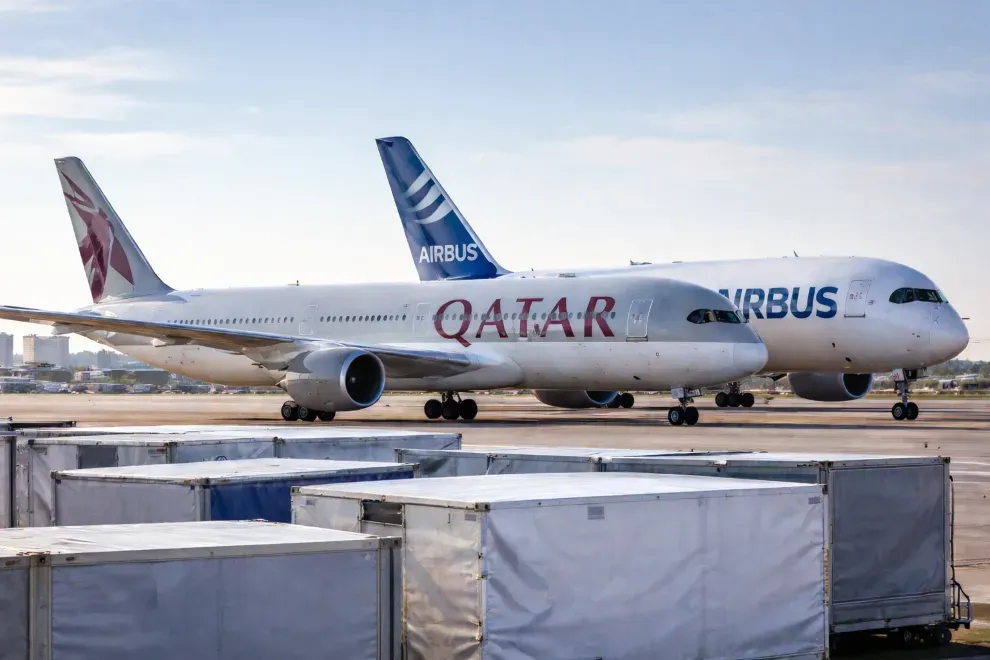
Hamad Al-Khater, the new CEO of Qatar Airways Group, began his tenure with a high-profile visit to Airbus headquarters in Toulouse, France, signaling a shift toward mending relations with the European manufacturer after years of strain.
Al-Khater described his meeting with Airbus CEO Guillaume Faury as "extremely positive," emphasizing Airbus as a historic partner since the airline’s inception. Airbus aircraft currently make up about half of Qatar Airways’ fleet, with over 60 planes on order - including A350 wide-bodies and A321LR narrow-bodies, with deliveries expected to continue this year.
The relationship soured in 2022 due to a dispute over paint degradation on some A350s, leading Airbus to cancel A321 orders. However, a settlement in 2023 restored those orders. Since then, Qatar Airways has not placed additional Airbus orders but did sign a major deal with Boeing last year for 210 wide-body aircraft.
The airline expects to receive its first A321s in the fourth quarter, featuring new business and economy cabins, enabling expansion into secondary European cities and emerging Chinese markets. Qatar Airways also anticipates receiving its first Boeing 777X next year.
Regarding Rolls-Royce engines on the A350-1000, Al-Khater stated that the airline is closely monitoring the performance of XWB-97 engines, maintaining ongoing cooperation with the manufacturer to address operational challenges.
This strategy is part of a broader plan to gradually modernize and align the fleet, which currently has an average aircraft age of around 10 years. The carrier aims to reach about 400 aircraft by 2040.
EcoPulse24 Analysis:
Improving ties with Airbus reflects a pragmatic strategy by Qatar Airways' new management, especially given the reliance on two main suppliers in the commercial aircraft market. Diversifying between Airbus and Boeing reduces single-supplier risks and enhances negotiating power over delivery schedules and pricing.
With over 60 Airbus aircraft on order alongside a major Boeing deal, Qatar Airways stands out for having one of the largest fleet expansion plans in the region. The introduction of A321LRs will provide greater operational flexibility for medium-haul routes with improved fuel efficiency, a key factor amid volatile operating costs.
However, timely aircraft delivery remains critical, especially given recent global aviation industry disruptions. The success of this strategy will depend on Qatar Airways’ ability to balance rapid growth with cost management and maximizing returns on new operational capacity.
Explore Related Coverage
Sources & References
Editorial Note
Disclaimer
© 2025 EcoPulse24. All rights reserved.