Sam Altman’s quiet knock on the White House door. A Secret Message Reveals OpenAI's Controversial Request
OpenAI secretly asked the White House to extend a 35% tax credit to AI data centers, sparking debate over tech subsidies and national security.
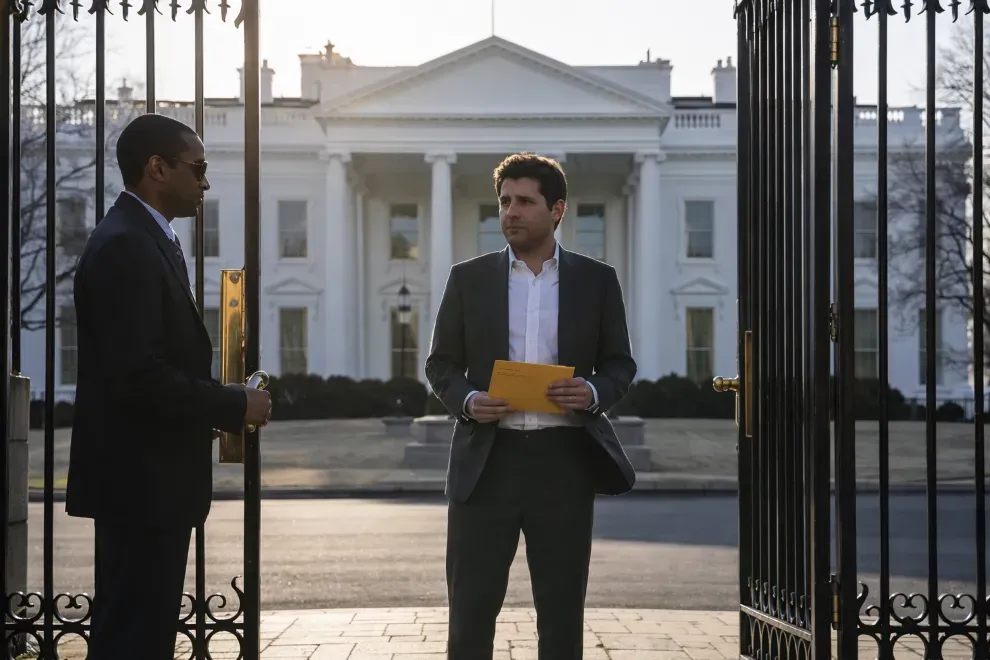
The letter arrived without fanfare on 27 October: three pages, single-spaced, signed by OpenAI’s head of global affairs and addressed to President Trump’s top technology adviser. Inside was a request that would have made even a seasoned lobbyist blink: extend the 35 % “ Chips-style” tax credit - until now reserved for silicon fabs - to every slab of steel, coil of copper and server rack needed to build AI cities the size of Toledo.
In plain English, OpenAI wants the same subsidy that built TSMC’s new Arizona plant to cover the transformers, cooling towers and GPU farms that keep ChatGPT awake at night. The price tag? Nothing direct, the company insists; just a policy tweak that could shift billions in private capital toward U.S. soil. Critics call it the largest corporate wish-list since the railroad barons. Supporters call it the fastest way to keep the Pentagon from buying its next algorithm from Beijing.
What the letter actually says
The ask is surgical. Congress created the Advanced Manufacturing Investment Credit (AMIC) in 2022 to wean America off Taiwanese chips. OpenAI now wants three sentences added to the tax code:
- Data centres that train or run large AI models qualify as “advanced manufacturing”.
- So do the companies that build the specialist servers inside them.
- And so does the high-grade steel and heavy-duty electrical gear without which none of the above turns on.
No cash grant, no loan guarantee - just a 35 % rebate on capital investment. OpenAI argues the tweak would unlock private money at the speed of code, rather than the speed of the Federal Register.
Why now
The numbers are brutal. OpenAI’s own forecast says the industry needs 1.4 trillion dollars in new chips, data halls and electrons this decade. Grid upgrades the Biden administration began are still stuck in environmental review; China is adding the equivalent of a new 500-megawatt data park every month. “Energy is the new oil,” Altman told staff last week, “and we’re still drilling with pickaxes.”
The politics
The letter lands at an awkward hour. Conservatives who once cheered the CHIPS Act as national security are wary of turning it into Silicon Valley’s piggy bank. Progressives who hate Big Tech subsidies hate Big Tech power bills even more. “They want taxpayers to underwrite the electricity for a product that replaces taxpayers’ jobs,” said Senator Lina Ramirez (D-CA) yesterday. Meanwhile, rust-belt governors see a chance to revive steel mills that have been dark since 2008.
The White House, for its part, has not said no. “We’re reviewing all options to maintain American leadership in emerging tech,” is the official line. Translation: if the numbers work and the headlines don’t scream “bail-out,” it could happen.
The bottom line
OpenAI is not the first company to discover that industrial policy is a buffet; it is simply the first with a market cap larger than the GDP of Hungary. The question for Mr Trump is whether a tax credit written for semiconductors can morph into a Marshall Plan for artificial intelligence without turning the CHIPS Act into a Christmas tree. The question for the rest of us is whether we are comfortable paying part of the power bill for the machines that may one day write our editorials - this one included.
Sources & References
Editorial Note
Disclaimer
All rights reserved
Please review the Terms & Conditions.
© 2025 EcoPulse24.