Sharp Division at the U.S. Federal Reserve: December Rate Cut Now a 50/50 Bet
Unprecedented divergence among policymakers regarding the interest rate path amid conflicting concerns over inflation and a weakening labor market.
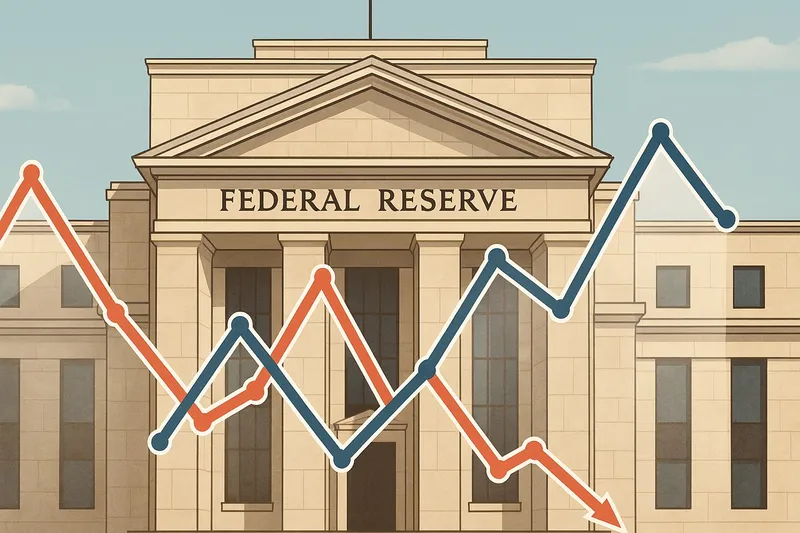
The U.S. Federal Reserve has witnessed a sharp and unusual division among decision-makers over whether to lower interest rates at the upcoming December meeting, with the odds of a cut dropping from 95% weeks ago to just 50%, according to the CME FedWatch Tool. Fed Chair Jerome Powell explicitly warned in the latest press conference that a rate cut in December is not a foregone conclusion, emphasizing the "strongly divergent views" among committee members on how to proceed.
The current divisions reflect fundamental disagreements over the economic situation, as the vote on the recent rate cut in October was split 10-2 - a rarity in a committee that typically reaches consensus. One member opposed the cut entirely, favoring a hold, while another called for a larger half-point cut instead of a quarter-point. The factions are divided on their views of inflation and the labor market: hawks believe inflation remains significantly above the 2% target and that further cuts could jeopardize progress, while the dovish camp warns that the labor market could "collapse" if rates are not cut quickly enough.
Potential implications of a December rate cut: If the Fed decides to proceed with a cut, it would ease borrowing costs for consumers and businesses, potentially revitalizing the housing market and consumer spending while supporting a labor market that has shown signs of weakness. Stock markets might see additional gains with improved outlooks, while the U.S. dollar could weaken against other currencies. However, the risk lies in reigniting inflation - especially with ongoing tariff impacts - which could force the Fed to raise rates again later. A cut may also be interpreted as a signal of greater economic weakness than apparent, potentially shaking investor confidence.
Potential implications of holding rates steady: If the Fed opts to keep rates unchanged at 3.75%-4%, it would signal that the central bank prioritizes fighting inflation over stimulating growth. This decision could support the dollar and maintain price stability in the long run, but it would keep borrowing costs high for businesses and consumers. The housing market could be negatively impacted with sustained high mortgage rates, and small businesses might struggle with financing. The labor market could weaken further with a slowdown in hiring, particularly in interest-sensitive sectors like construction and manufacturing. Stock markets might face corrections if investors' expectations for a cut are disappointed, though defensive and financial sectors could benefit.
Powell faces an unprecedented challenge in leading a deeply divided committee, as analysts warn that "if ideological divides are not reconciled, they could affect the Fed's effectiveness and credibility." Complicating matters, the recent U.S. government shutdown resulted in a lack of critical economic data, with officials indicating that some October data - including employment and inflation figures - may not be released at all. Powell summarizes the challenge with a striking analogy: "What do you do when you’re driving in the fog? You slow down," suggesting the Fed may take a more cautious approach at the upcoming December 9-10 meeting, leaving financial markets uncertain about the monetary policy path in the coming months.
Sources
- CNN Business: "Jerome Powell's era of consensus at the Fed is over" (November 17, 2025)
- Bloomberg: "Fed's Hawks Seize Spotlight Making Case Against a December Cut" (November 14, 2025)
- CNBC: "Markets no longer view the December rate cut as a sure bet" (November 13, 2025)
- Axios: "Fed cuts rates 25 basis points, throws cold water on a December cut" (October 29, 2025)
- Federal Reserve: "Federal Reserve issues FOMC statement" (October 29, 2025)
- Morningstar: "A December Interest Rate Cut is Now a Coin Toss" (November 2025)
- NBC News: "Federal Reserve cuts key interest rate for second time this year" (October 29, 2025)
Article from the EcoPulse24 editorial team | Published on November 19, 2025
Disclaimer: This analysis is based on publicly available information and should not be considered investment advice. Interest rates and monetary policies are subject to change based on economic data.
Sources & References
Editorial Note
Disclaimer
All rights reserved
Please review the Terms & Conditions.
© 2025 EcoPulse24.