TotalEnergies Makes Over $1 Billion From Middle East Oil Trade as Iran Crisis Reshapes Markets
French oil giant TotalEnergies made over $1bn buying UAE and Oman crude as Iran conflict disrupted Hormuz shipping.

EcoPulse24 | London
TotalEnergies booked more than $1 billion in profit from a bold Middle East oil trading strategy as the Iran conflict choked shipping through the Strait of Hormuz, sending crude prices to their highest levels since 2022, according to reports from Reuters and Euronews published on March 30, 2026.
A High-Stakes Trading Play
The French energy giant's traders moved decisively in March, snapping up approximately 70 cargoes of crude produced in the United Arab Emirates and Oman available for May loading. The volume represented more than double TotalEnergies' typical purchases in February, and the company was among the few international majors to secure enough partial contracts to assemble complete cargoes during the period. While trading activity was roughly 50% more intense in March than the previous month, TotalEnergies' positioning stood out for its scale and speed of execution.
Price Surge Drives Record Returns
The scale of the profits reflects an extraordinary shift in crude pricing. Dubai crude climbed from approximately $70 per barrel just before the Iran conflict began to an all-time high of around $170 a barrel last week, representing a near-doubling in value within weeks. The international benchmark Brent crude peaked at approximately $120 per barrel in mid-March before easing to around $113 as of late last week. By acquiring UAE and Oman cargoes at earlier, lower prices and benefiting from the rapid price appreciation, TotalEnergies generated returns that analysts have described as exceptional even by major trading desk standards.
Production Headwinds Offset by Trading Gains
Not all news from TotalEnergies has been positive. In a statement published on March 13, 2026, the company disclosed that production had been shut down or was in the process of shutting down in Qatar, Iraq, and offshore UAE, representing around 15% of its total global output. However, TotalEnergies noted that Middle East barrels account for only approximately 10% of upstream cash flow due to higher regional taxation. The company indicated that an $8 per barrel rise in Brent crude was sufficient to entirely offset the lost production revenue, meaning the sustained price surge well above $100 has more than compensated for the shutdown impact.
Stock Performance and Investor Outlook
TotalEnergies' shares have responded sharply to the company's trading performance and the broader energy market environment. TTE stock has gained approximately 35% year-to-date, making the French major one of the top-performing stocks among global energy companies in 2026. The broader energy sector has benefited from sustained high crude prices, with most international oil companies reporting improved cash flows even as some face operational disruptions in the affected region. Analysts are monitoring whether the company will translate its windfall into accelerated share buybacks or increased capital allocation to renewables.
Regional Supply Disruption Context
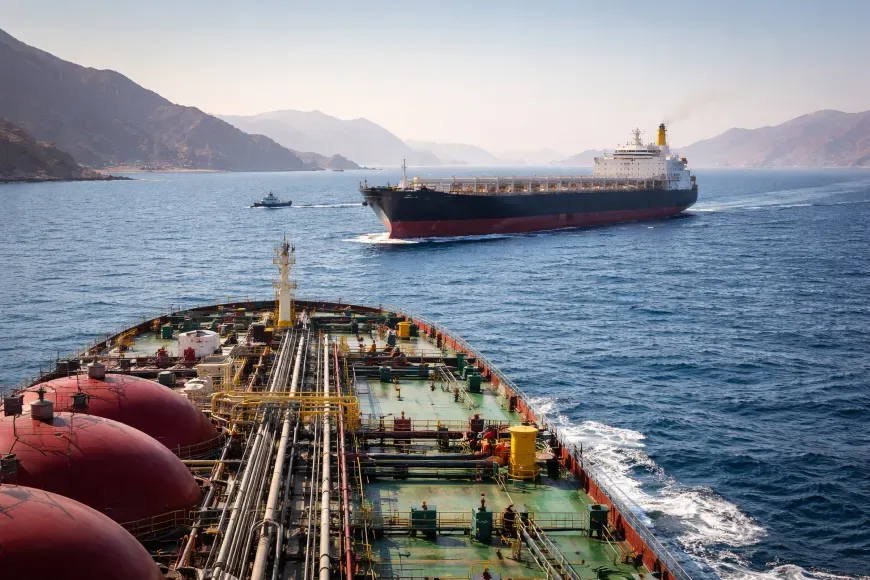
The wider backdrop for TotalEnergies' trading success is the effective disruption of normal shipping through the Strait of Hormuz. Houthi attacks in the Red Sea and the escalating Iran conflict have together severely constrained shipping lanes that carry approximately 20% of global crude oil trade. Asian buyers, who rely heavily on Middle East crude, have been among the most affected, scrambling for alternative supply sources as spot market premiums for accessible barrels widened sharply throughout March. European refiners have also faced elevated procurement costs, reinforcing the premium on pre-contracted barrels.
EcoPulse24 Analysis
EcoPulse24 Analysis: TotalEnergies' reported $1 billion trading windfall highlights how major integrated energy companies with sophisticated physical trading arms can capitalise on geopolitical supply disruptions, even when their own production is partially curtailed. The scale of the returns, achieved through physical cargo positioning in UAE and Oman crude rather than speculative financial instruments, reflects a decisive reading of the supply chain constraints that emerged from the Iran conflict. As Brent crude remains above $100, the company's balance sheet is being reinforced from multiple directions. The critical question ahead is whether this trading performance can be sustained, or whether it represents a singular window that will narrow as diplomatic negotiations advance and shipping routes gradually stabilise. Investors will also be watching whether TotalEnergies uses the windfall to accelerate debt reduction or return capital to shareholders.
Explore Related Coverage
Sources & References
Editorial Note
Disclaimer
© 2025 EcoPulse24. All rights reserved.