Turkey Expands E-Commerce Export Strategy to 35 Countries as Digital Exports Reach $6.4 Billion
Turkey has expanded its e-commerce export strategy to 35 countries as digital exports reach $6.4 billion and online commerce grows to 6.9% of GDP.

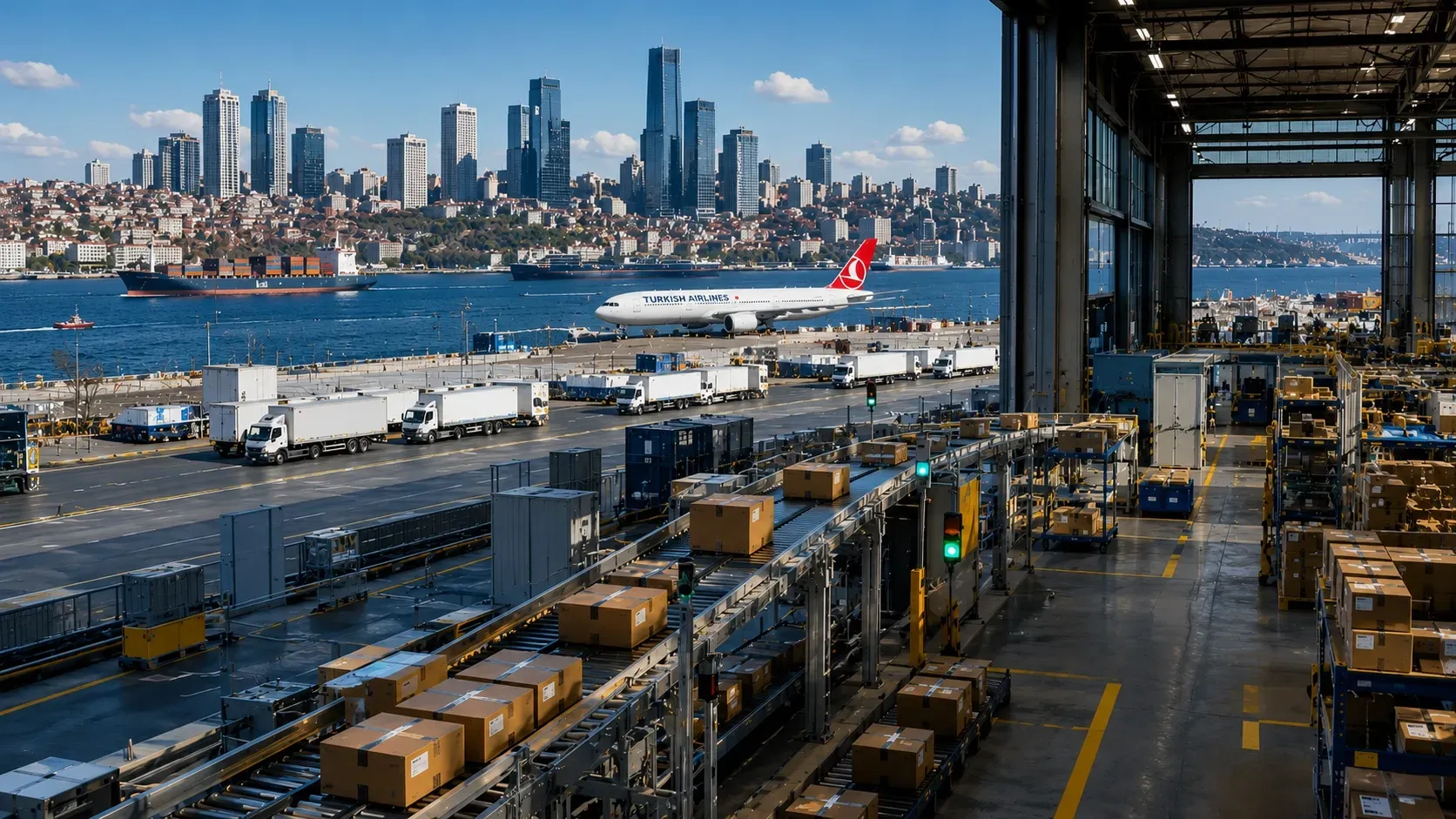
Istanbul | EcoPulse24
Turkey is accelerating its transformation into a regional digital commerce powerhouse after expanding its e-commerce export strategy from 18 to 35 target countries, reflecting a broader effort to position digital trade as a key driver of economic growth and export diversification.
The move comes as Turkey's e-commerce sector continues to record rapid expansion across online retail, digital exports, and cross-border trade, supported by government-backed initiatives, digital infrastructure investments, and the growing use of artificial intelligence in export development.
According to Turkey's Ministry of Trade, e-commerce exports have grown from approximately $2 billion in 2022 to around $6.4 billion today, highlighting the increasing role of digital channels in connecting Turkish businesses with international consumers.
From Targeting Countries to Targeting Platforms
Turkey's strategy reflects a significant shift in export policy.
Rather than focusing on individual markets, Ankara is increasingly helping businesses access global consumers through major international e-commerce platforms, allowing companies to scale across multiple markets simultaneously.
The expanded strategy now includes key European markets such as Germany, France, and Romania, while the Ministry of Trade has developed operational guides covering 27 global digital marketplaces to support exporters entering international markets.
Officials say the objective is to reduce barriers for Turkish companies seeking global reach and improve competitiveness through digital channels.
Digital Trade Becomes a Growth Engine
The latest figures illustrate the remarkable growth of Turkey's digital economy.
Turkey E-Commerce Snapshot
| Indicator | Value |
|---|---|
| E-Commerce Market Size (2025) | $115.5 Billion |
| Annual Growth (2025) | 52.2% |
| Share of GDP | 6.9% |
| Share of Total Trade | 19.5% |
| Digital Exports | $6.4 Billion |
| E-Commerce Exports (2025) | $5.1 Billion |
| Active E-Commerce Companies | 634,000 |
| Digital Exporters Earning Over $10,000 | 11,500 |
The sector has expanded dramatically over the past six years.
Turkey's e-commerce market grew from $23.9 billion in 2019 to $115.5 billion in 2025, representing an increase of approximately 382% during the period.
Small Businesses Drive Expansion
One of the most significant features of Turkey's digital export model is the role played by entrepreneurs and small businesses.
Sole proprietorships account for approximately 75% of all e-commerce businesses, while limited liability companies represent 21% and joint-stock companies account for 4%.
The figures suggest that digital trade is increasingly enabling smaller firms to participate in international commerce without the traditional costs associated with overseas distribution networks and physical expansion.
Leading E-Commerce Segments
Food delivery services account for the largest share of e-commerce businesses at 20.3%, followed by apparel, footwear and accessories at 13.8%, and electronics at 11.9%.
By transaction value, apparel and fashion remain the largest category, generating TRY 428.7 billion in sales, followed by electronics, airlines, and food services.
Top Sectors by Transaction Value
| Sector | Transaction Value |
|---|---|
| Apparel, Footwear & Accessories | TRY 428.7 Billion |
| Electronics | TRY 304.3 Billion |
| Airlines | TRY 285.4 Billion |
| Food Services | TRY 270.2 Billion |
Artificial Intelligence Supports Export Growth
Turkey is also integrating artificial intelligence into its export ecosystem.
The Ministry of Trade is developing AI-powered information platforms designed to help exporters access market intelligence, identify opportunities, and improve competitiveness through data-driven decision-making.
The country is also preparing to host the Istanbul Global E-Export Summit in September, bringing together exporters, digital platforms, logistics providers, and technology companies.
Government support programs currently include assistance for digital marketing, platform commissions, online advertising, and overseas warehousing.
EcoPulse24 Analysis
Turkey's latest initiative highlights a broader transformation taking place across global trade.
The traditional export model relied heavily on distributors, local agents, and physical market expansion.
Digital commerce is changing that equation.
Today, businesses can access consumers directly through global marketplaces, reducing entry barriers and accelerating international expansion.
The fact that e-commerce now represents 6.9% of Turkey's GDP and nearly 20% of total trade activity demonstrates how digital channels are becoming a core component of economic growth rather than a niche segment of retail.
The strategy also reflects a growing global trend in which technology, artificial intelligence, logistics, and digital platforms are becoming critical tools for export competitiveness.
For emerging and regional economies, Turkey's experience provides a case study in how digital trade can help diversify exports, support small businesses, and expand international market access in an increasingly connected global economy.
Sources & References
Editorial Note
Disclaimer
© 2025 EcoPulse24. All rights reserved.