Turkish Central Bank Cuts Interest Rate to 37% as Lira Hits Record Low Near 43.3 Against Dollar
Turkey cut rates to 37% as lira hit a record low near 43.3/USD, balancing inflation risks with gradual easing and managed currency decline.

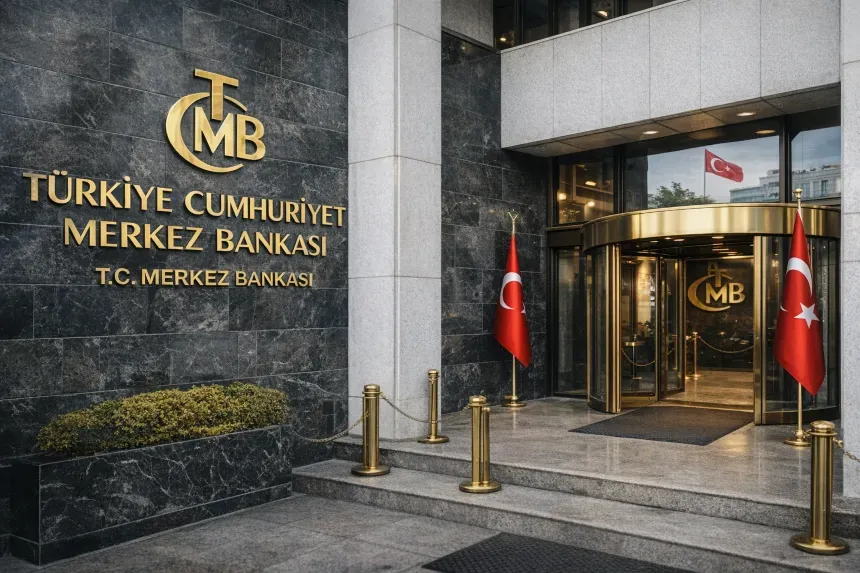
Ankara | EcoPulse24
The Turkish lira extended its managed decline to reach a new record low of around 43.3 lira per US dollar in January, as the Turkish central bank continued its policy of gradual, controlled currency depreciation alongside limited monetary easing.
This development followed the central bank's decision to reduce its main interest rate by one percentage point to 37% at its first meeting of 2026 - a cut below market expectations for a larger reduction, and the lowest rate since November 2023.
The bank explained that core inflation trends had slowed by the end of last year, allowing only limited room for loosening monetary policy despite ongoing price pressures, especially from food, which kept headline inflation near 31%. Policymakers emphasized that upside inflation risks remain due to unpredictable pricing behavior and rising inflation expectations, necessitating caution in the pace of easing.
Meanwhile, the central bank continues to manage foreign currency reserves and take steps to encourage lira-denominated deposits among local investors, aiming to control the pace of the currency's depreciation. Estimates suggest the lira could lose about 18% of its value against the dollar this year under this managed framework.
The pressure on the currency comes as household purchasing power continues to erode, with inflation still outpacing the 27% increase in the minimum wage, further widening the gap between income growth and rising prices.
Analysis
The combination of a limited rate cut and ongoing lira weakness reflects Turkey's attempt to balance supporting economic activity with maintaining control over inflation. However, persistent high inflation and declining purchasing power leave little room for maneuver, making currency stability dependent on the authorities' ability to manage capital flows and maintain market confidence in the coming months.
Explore Related Coverage
Sources & References
Editorial Note
Disclaimer
© 2025 EcoPulse24. All rights reserved.