UK Budget 2025: Comprehensive Guide to New Taxes
UK's 2025 budget introduces £26B in tax hikes, freezing thresholds, new EV taxes, and political scandal over early leak.

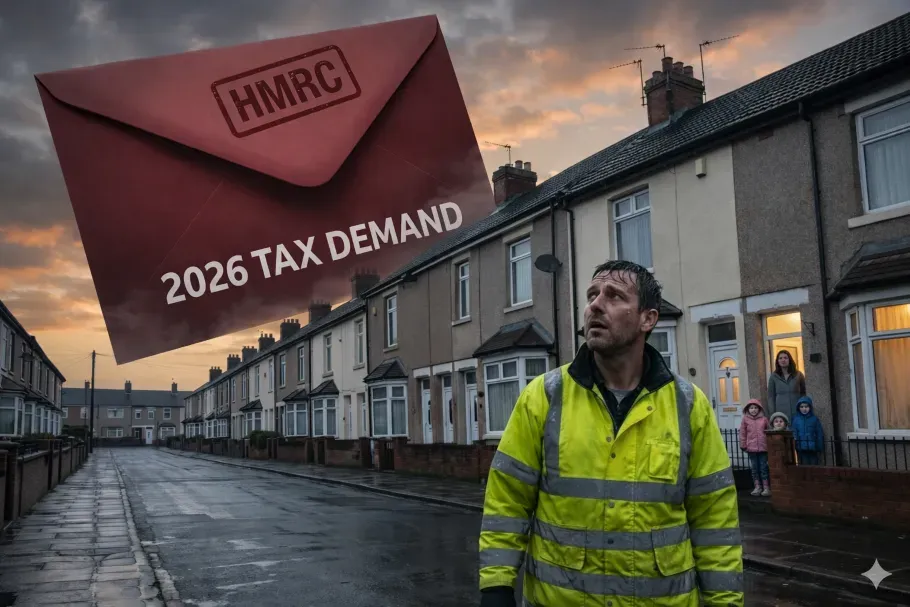
Chancellor Rachel Reeves announced on Wednesday, November 26, at 12:30 PM London time (4:30 PM UAE time) more than 80 tax policies in what is described as the most confusing budget in British history, with total tax increases of £26 billion (approximately $34 billion) by 2030, pushing the tax burden to a record high of 38.3% of GDP. This budget comes amid an unprecedented political scandal after the Office for Budget Responsibility leaked full details more than half an hour before the Chancellor's speech, prompting opposition leader Kemi Badenoch to call for Reeves' resignation and describe the situation as a 'total humiliation.'
Income and Savings Taxes:
1. Freezing tax thresholds until 2031: Freezing the income tax thresholds will push an additional 1.7 million people to pay more taxes, with an expected value of £12.7 billion annually by 2030-31, raising 5.2 million people to the taxpayer bracket and 4.8 million to the higher bracket. 2. Reducing the cash ISA limit: Reducing the tax-free limit in cash individual savings accounts from £20,000 to £12,000 starting April 2027, with the remaining £8,000 allocated to stocks, while savers over 65 will retain the full £20,000 limit. 3. Increasing rental and capital gains taxes: Raising tax rates by two percentage points on rental income and capital gains from April 2027, to 22% for the basic rate, 42% for the higher rate, and 47% for additional property income.
Transport and Energy Taxes:
4. Electric vehicle tax: Imposing a tax of 3 pence per mile on electric vehicles from 2028/29, and 1.5 pence per mile for hybrid vehicles, expected to generate £7 billion annually once electric vehicles are widespread. 5. No new departure tax for travelers: No new departure tax has been announced for travelers leaving UK airports.
Property and Inheritance Taxes:
6. 'Mansion Tax': Imposing an additional tax on properties valued over £2 million (£2.65 million). 7. Freezing the inheritance tax exemption threshold: Freezing the inheritance tax exemption threshold at £325,000 until 2031, allowing the £1 million threshold for family farm inheritance to be transferable between spouses, meaning married farmers can inherit up to £2 million tax-free for their children. 8. Subjecting unused pension funds to inheritance tax: Unused pension funds and death benefits are now subject to inheritance tax, with payments for contaminated blood scheme exemptions from this tax.
Business and Tourism Taxes:
9. 'Additional Tax' on supermarkets: Imposing additional business rates on large commercial properties valued over £500,000, which may raise food prices. 10. New tourism tax: Granting local authorities in England the power to impose 'modest' charges on visitors staying in hotels, guesthouses, and holiday cottages, potentially reaching £15 per night or 3-5% of the accommodation value, aiming to raise over £1.2 billion annually to support cultural infrastructure. 11. Ending low-value import exemptions: Ending exemptions on imports valued at £135 or less from customs duties starting March 2029.
Pension and Investment Taxes:
12. Pension contributions cap: Imposing a cap of £2,000 on pension contributions through salary sacrifice before national insurance contributions are deducted from April 2029, with contributions above the limit subject to 15% and 8% national insurance. 13. Reducing tax relief for VCT funds: Reducing the tax relief offered for venture capital trust funds from 30% to 20% to align with the EIS scheme. 14. Tax holiday for newly listed companies: Exempting a 0.5% stamp duty on purchases of shares in newly listed UK companies for three years post-IPO.
Other Taxes:
15. Increasing gambling taxes: Raising taxes on remote gambling while keeping the same rates for in-person gambling. 16. Sugar tax: Imposing a new tax on high-sugar packaged drinks like milkshakes and lattes. 17. Tightening corporate tax relief rules: Tightening rules related to share exchanges and corporate reorganizations to prevent tax evasion.
Government Reductions and Support:
Raising the national minimum wage by 4.1% to £12.71 for workers aged 21 and over, and £10.85 for workers aged 18-20. Average household energy bills will decrease by £150 starting next April, with around 500 of the most energy-intensive companies saving up to £420 million annually. Freezing rail ticket prices in London will save passengers up to £350 annually. Ending the two-child cap on benefits from April 2026 will lift 350,000 children out of poverty at a cost of £3 billion by 2029/30. Permanent exemptions for low business rates for over 750,000 retail, hospitality, and leisure properties will save £900 million annually from April 2026.
Economic Forecasts and Political Scandal:
The Office for Budget Responsibility raised its growth forecast for 2025 from 1% to 1.5%, but lowered forecasts for the following four years to 1.4% in 2026. Inflation is expected to reach 3.5% in 2025 and 2.5% in 2026 before returning to the 2% target in 2027. Reeves expanded the fiscal headroom to £22 billion, providing her with greater maneuverability against her fiscal rules. The unprecedented early leak sparked a major political scandal, with the Office for Budget Responsibility admitting that the link to the forecast document was published too early on its website, prompting the opposition leader to call for the Chancellor's resignation and label the situation a total humiliation for the Labour government.
Sources & References
Editorial Note
Disclaimer
Please review the Terms & Conditions.
© 2025 EcoPulse24. All rights reserved.